
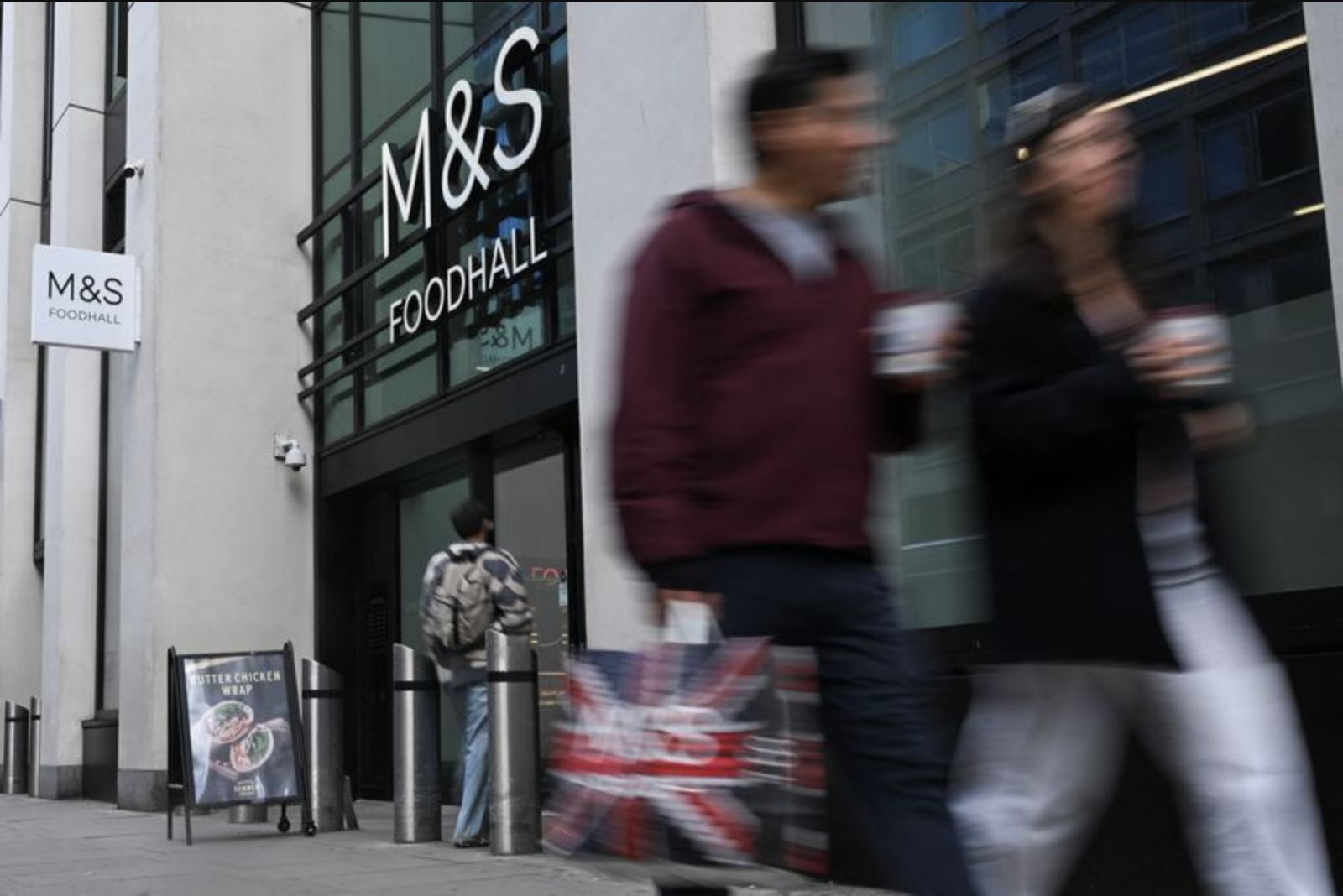
LONDON, May 26 - British shop prices climbed more quickly in May, according to a retail industry survey, as disruptions and higher energy costs related to the Iran war pushed up expenses for retailers.
The British Retail Consortium's monthly poll of major chains showed shop price inflation at 1.2% year-on-year in May, compared with a 1.0% rise in April. Within the mix, food price inflation moderated to 2.7% from 3.1%, marking its lowest level in a year.
Not all categories moved in the same direction. Furniture and health and beauty products experienced the sharpest increases, a pattern the survey linked to rising raw material and shipping costs affecting those segments.
Helen Dickinson, chief executive of the retail trade body, said the government must do more to curb costs facing retailers. She highlighted measures aimed at the energy component of retailers' bills and wider administrative burdens, arguing these could help ease price pressures.
"Reducing the non-commodity charges, taxes and levies that make up more than two-thirds of energy bills, and cutting red tape would help keep inflation down," Dickinson said.
The government has recently urged supermarkets to slow the pace of price increases and has even considered the possibility of imposing price caps this month as it seeks to limit consumer pain from rising costs.
On the broader inflation front, Britain's official consumer price index was 2.8% in April. The survey noted that headline inflation is expected to pick up again, potentially rising to around 4% in the coming months because of the energy price shock tied to recent events.
Retailers say that addressing non-commodity elements of energy bills - the charges, taxes and levies that make up a substantial portion of those bills - along with cutting regulatory burdens, would support efforts to bring inflation lower. The survey underlines how energy, supply-chain costs and sector-specific pressures are interacting to shape price outcomes for consumers and businesses.