
Economy May 22, 2026 02:13 AM

UK April borrowing rises to £24.3bn, topping economists' forecasts

Second-largest April deficit on record; fiscal forecasts face new uncertainty amid geopolitical and political pressures

By Marcus Reed

Britain recorded a £24.3 billion public sector deficit in April, the second-highest April borrowing on record and larger than economists had expected. Official figures show the month marked the start of the financial year with borrowing above a poll-based forecast. Fiscal forecasters had projected a reduction in borrowing by 2026/27, but recent geopolitical and political developments have increased uncertainty and prompted new tax measures targeting the energy sector.

UK April borrowing rises to £24.3bn, topping economists' forecasts

Key Points

  • April public sector borrowing in the UK was 24.3 billion pounds, the second-highest April deficit on record.
  • A poll of economists had forecast a 20.9 billion-pound deficit for April, making the outturn larger than expected.
  • Budget forecasters had projected public sector borrowing would decline to 3.6% of GDP in 2026/27; that projection faces added uncertainty from geopolitical and political developments.

LONDON, May 22 - Britain’s public finances opened the financial year with a substantial shortfall as borrowing for April reached 24.3 billion pounds, official figures showed. The April total is the second-largest for that month on record.

A poll of economists had pointed to a 20.9 billion-pound deficit for April, making the outturn larger than market expectations for the first month of the tax year.

Budget forecasters in early March had projected that public sector borrowing would fall to 3.6% of gross domestic product in the 2026/27 tax year. That projected rate would represent the smallest deficit since before the COVID-19 pandemic, according to the forecasters' assessment.

However, officials and ministers have flagged new pressures on the public finances. The war in Iran has been cited as a factor that raises the risk of an economic slowdown, a scenario that could reduce tax revenues. In addition, the conflict has amplified calls on the government to increase support for households and businesses facing an energy price shock.

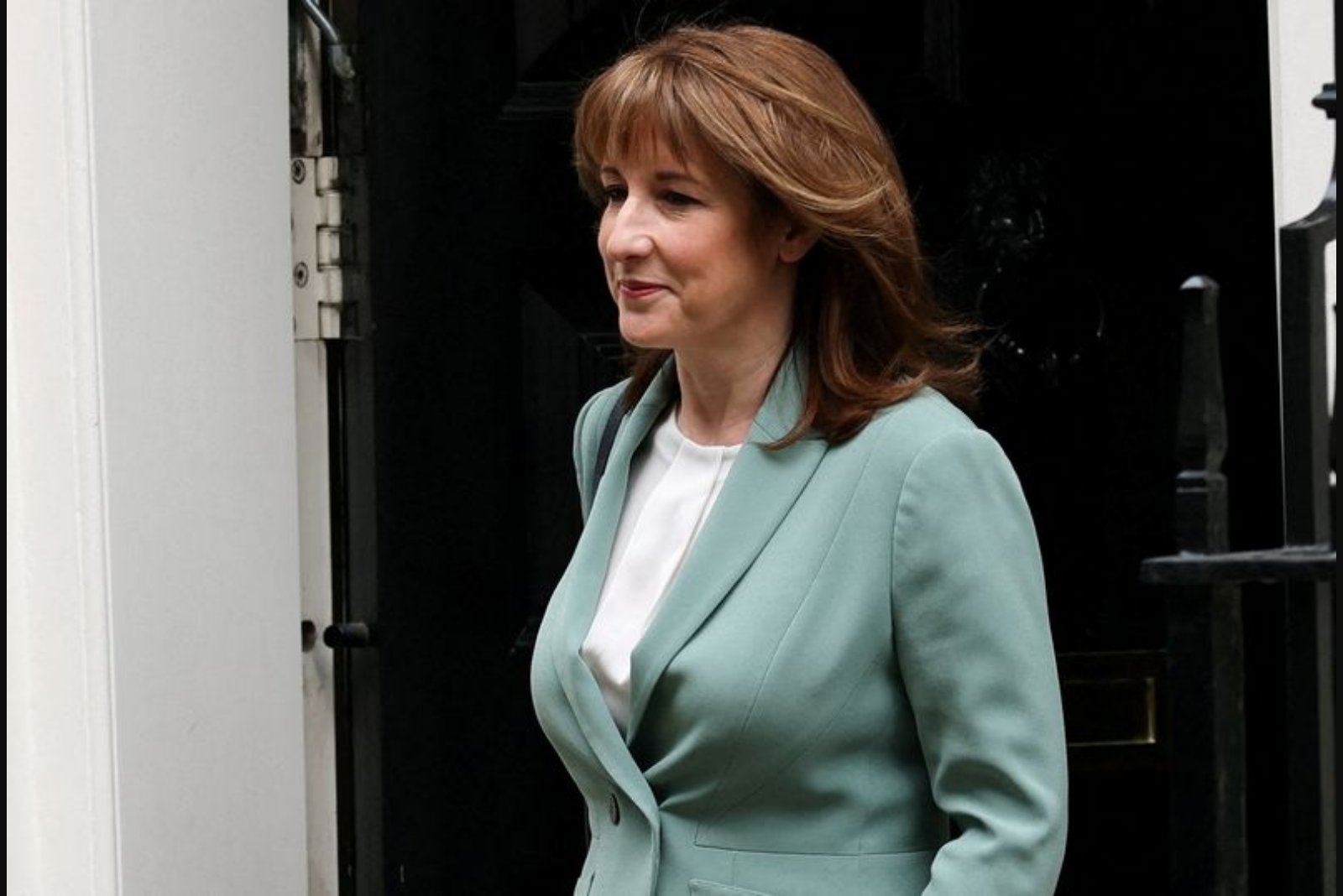
Responding to those pressures, finance minister Rachel Reeves said on Thursday that she would raise more tax from oil and gas companies to help fund support measures aimed at protecting households and businesses from higher energy costs.

Political uncertainty is also weighing on investor sentiment. Many Labour lawmakers have called for Prime Minister Keir Starmer to step down, creating concern about possible changes in political leadership. Andy Burnham, the Manchester mayor identified by many as Starmer’s most likely successor, has stated he would maintain the fiscal rules currently being pursued by the finance minister.

Market context for sterling was provided alongside the fiscal update, with the exchange rate set at $1 = 0.7448 pounds.


As the government navigates the larger-than-expected April borrowing, officials will face competing demands: sustaining a path toward the forecasters' deficit target while addressing immediate pressures from energy prices and geopolitical risk. The interplay between fiscal policy decisions and political developments will be watched closely by investors and market participants.

Risks

  • Geopolitical risk from the Iran war could slow the economy and reduce tax revenues, affecting government finances - impacts markets and fiscal projections.
  • Pressure to expand public support for households and businesses because of energy price shocks may increase government spending demands - impacts the energy sector and public budgets.
  • Political uncertainty over leadership within the ruling party could unsettle investors and influence future fiscal policy choices - impacts investor sentiment and market stability.

More from Economy

Market Resilience Amidst Sector Shifts: Dow and Russell 2000 Reach New Heights Jun 4, 2026 Australian house price momentum to slow to four-year low as borrowing costs bite Jun 4, 2026 Kevin O’Leary Scales Back Utah Data Center Plan Amid Lawmaker Concerns Jun 4, 2026 Fed's Daly Says AI Could Exert Downward Pressure on Prices Over Several Years Jun 4, 2026 Putin Says Moscow Willing to Make Concessions if Kyiv Reciprocates Jun 4, 2026