
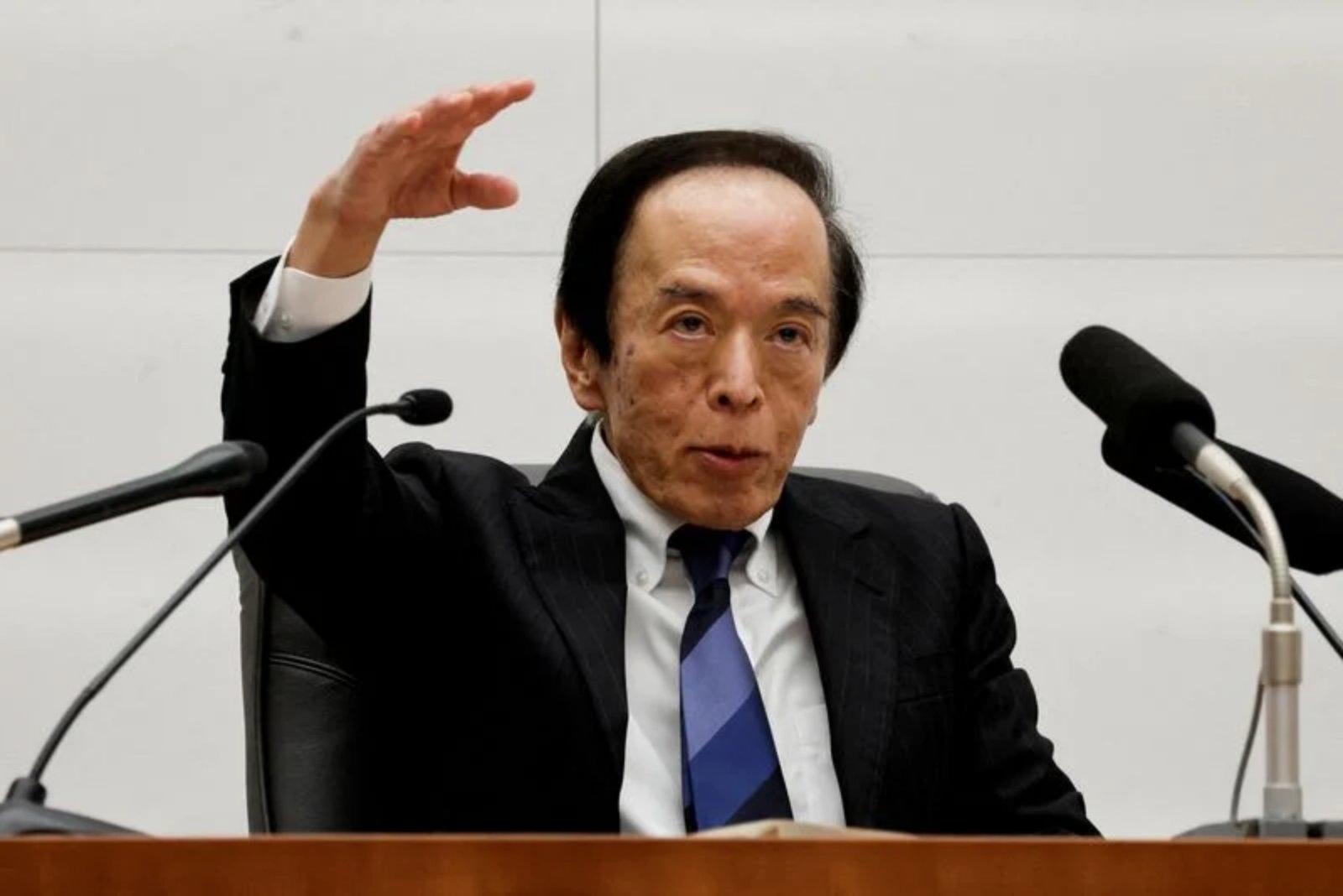
The central bank's leadership is navigating a complex economic landscape. Governor Kazuo Ueda’s forthcoming speech, set for 0830 GMT, serves as a focal point for market participants seeking clarity on the possibility of a rate hike in June. The urgency of this decision is compounded by external inflationary pressures and domestic currency instability.
Key Economic Drivers and Market Impact
- Inflationary Pressures: Wholesale inflation reached its highest level in three years during April. This trend has caused concern among policymakers due to the velocity at which businesses are transferring increased costs to consumers. The surge in fuel costs, driven by the conflict in Iran, is a primary factor broadening these price pressures.
- Monetary Policy Momentum: There is growing evidence of a shift within the Bank of Japan's nine-member board. During the April meeting, where rates were held steady, three members dissented. Additionally, two other members have issued warnings regarding rising price pressures in recent communications. This suggests an increasing inclination toward an early policy move.
- Political and International Signals: External pressure has also been noted, with U.S. Treasury Secretary Scott Bessent indicating that Washington supports BOJ rate hikes, suggesting Ueda would act as necessary if provided with government independence. Domestically, Finance Minister Satsuki Katayama indicated alignment with the Governor's views following recent G7 meetings, while Premier Sanae Takaichi has not actively opposed an early hike.
Market Implications: These developments directly impact the foreign exchange markets and the broader financial sector. The yen recently breached the 160-per-dollar threshold, highlighting the sensitivity of the currency to BOJ signaling. Sectors reliant on stable input costs and those sensitive to interest rate fluctuations will remain highly reactive to Ueda's commentary.
Risks and Uncertainties
- Geopolitical Volatility: The unpredictable nature of the Iran war represents a significant risk. Sudden developments in the conflict could disrupt current economic projections and potentially force the BOJ to alter its planned interest rate path.
- The Signaling Dilemma: Governor Ueda faces a significant communication risk. If he fails to signal a June hike, there is a possibility that the yen could weaken further. Conversely, providing overly explicit signals could be problematic given the volatile global environment. As noted by Mari Iwashita of Nomura Securities, while the BOJ has previously shown hesitation toward explicit signaling, markets will look for any indication of intent to continue raising rates. If no intention to hike in June is found, the central bank may face pressure to provide detailed explanations.
Conclusion
As the June 15-16 policy meetings approach, the market remains poised to interpret every nuance of Ueda's address. The intersection of rising wholesale inflation, geopolitical tension in the Middle East, and yen volatility creates a high-stakes environment for Japan's monetary authorities.