
The International Energy Agency said Wednesday that the United Arab Emirates is on track to produce more than 5 million barrels per day of oil in 2027, with total output forecast at 5.2 million bpd for that year - an increase of 730,000 bpd compared with the year before.
The projection comes as the UAE pursues an expansion in production after leaving OPEC earlier this year. Officials have framed the exit as a move to pursue capacity growth and to realize greater value from the country's hydrocarbon resources without being bound by the group's output quotas.
The IEA noted that UAE crude capacity has expanded markedly over the past decade, rising from 3.1 million bpd in 2016 to nearly 4.4 million bpd by 2026. In addition to crude capacity, the country has built roughly 1.1 million bpd of condensate and natural gas liquids capacity, according to the agency's report.
Abu Dhabi National Oil Company has announced substantial capital commitments to underpin these growth plans. ADNOC said last month it will allocate 200 billion dirhams - roughly $55 billion - to projects between 2026 and 2028 to support its expansion objectives and deliver on strategic priorities. The company also outlined plans for $150 billion in capital investment from 2026 through 2030.
UAE Energy Minister Suhail al-Mazrouei has said the country could raise oil capacity to as much as 6 million bpd should market conditions warrant, while noting that figure is not an official target. That comment was reported to Reuters and is reflected in the broader planning context described by the IEA.
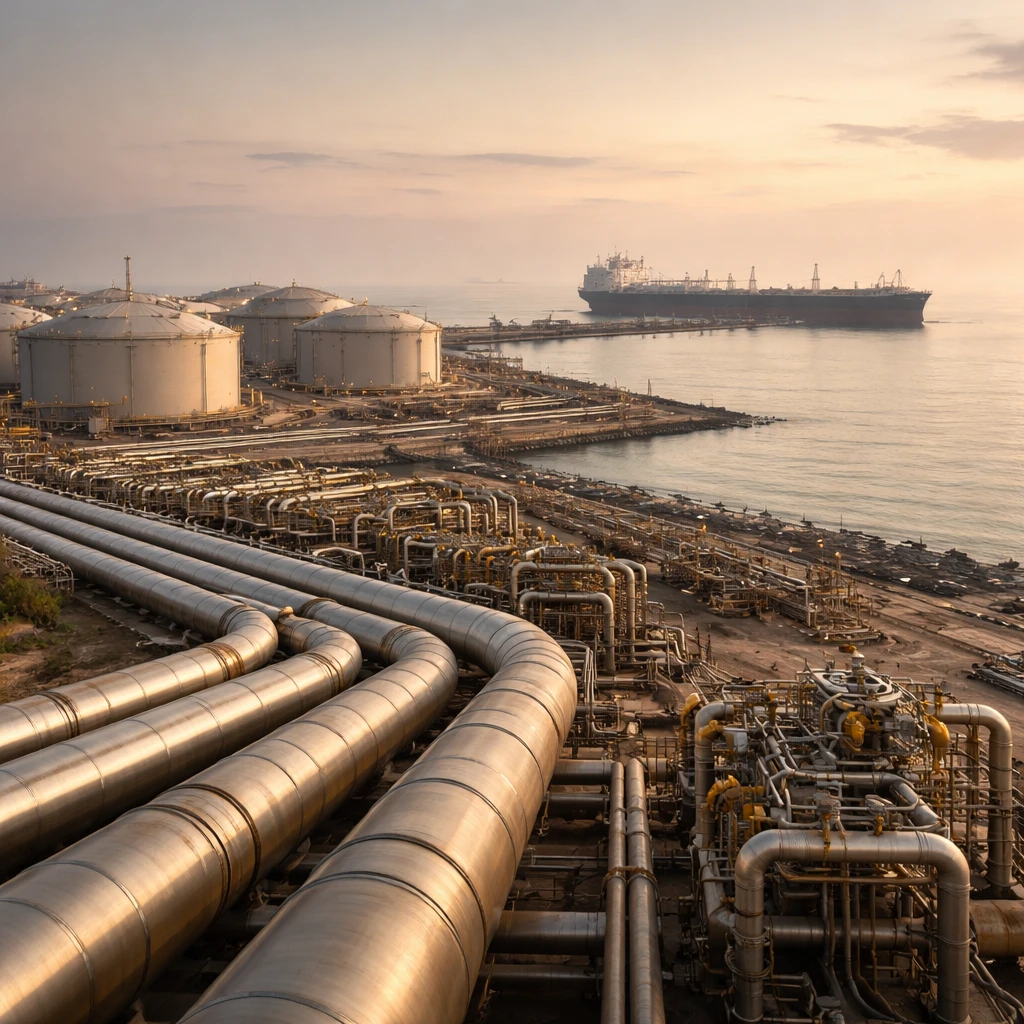
Exports have so far shown resilience despite disruptions linked to the Iran conflict. The IEA highlighted infrastructure that supports export stability, including the 1.8 million bpd Habshan-Fujairah pipeline and about 42 million barrels of storage capacity at Fujairah.
In May, total exports rose by 260,000 bpd month-on-month to reach 3.1 million bpd, while reported crude output in that month was 2.8 million bpd - approximately 835,000 bpd below pre-conflict levels, the agency said. The IEA also pointed to an increase in so-called dark activity - tankers transiting along the Omani coastline with transponders turned off - as a contributing factor to the export uptick.
To further bolster export capability and to provide an alternative route that bypasses the Strait of Hormuz, ADNOC is accelerating construction of a new West-East pipeline intended to double Fujairah export capacity. The project is about 50% complete, with delivery scheduled for 2027.
The IEA's forecast places the UAE as a notable contributor to the growth in non-OPEC+ supply in the coming year, with capacity developments and ADNOC's investment plans key elements underpinning the outlook.
Summary: The IEA forecasts UAE oil production at 5.2 million bpd in 2027, up 730,000 bpd year-on-year, following the country's departure from OPEC and alongside major ADNOC capital commitments and export infrastructure projects.