
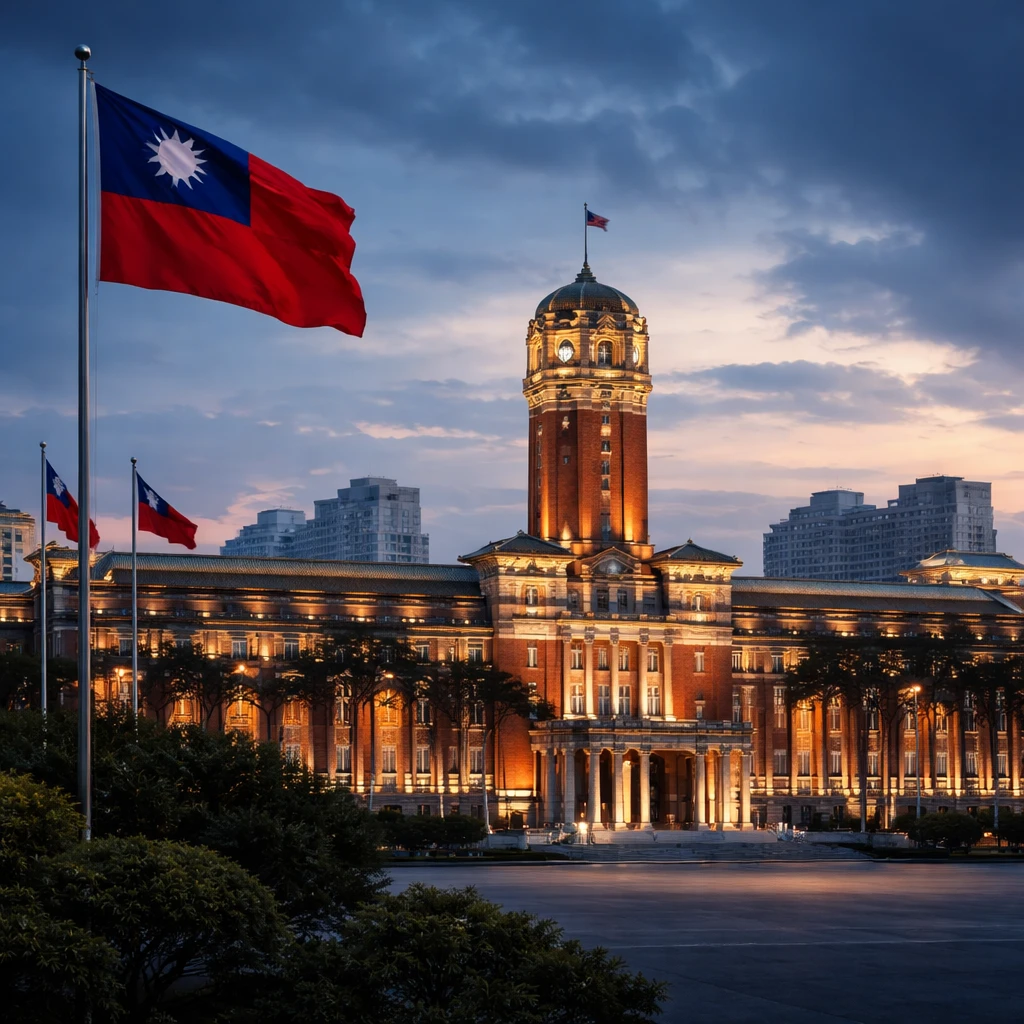
Taiwan’s authorities said on Friday they have not received formal notification of any postponement to military equipment transfers from the United States, responding to comments by a senior U.S. official who indicated a hold had been placed on foreign military sales to ensure munitions are available for operations related to the war with Iran.
Taipei is currently awaiting U.S. authorization for an arms package that could total as much as $14 billion. President Donald Trump, speaking after his meeting with China’s Xi Jinping in Beijing last week, said he remained undecided about approving that sale.
At a Thursday hearing of the Senate Appropriations Defense Subcommittee, U.S. Acting Navy Secretary Hung Cao said foreign military sales to Taiwan are paused so Washington can secure the munitions it needs for Epic Fury, described as the U.S. operation against Iran. Cao said: "We have done some foreign military sales to them. It’s just right now we’re doing a pause in order to make sure we have the munitions we need for Epic Fury - which we have plenty," adding: "But we’re just making sure we have everything, but then the foreign military sales will continue when the administration deems necessary."
Cao also stated that approval decisions on sales to Taiwan would be taken by Defense Secretary Pete Hegseth and Secretary of State Marco Rubio.
Responding to Cao’s remarks, a spokesperson for the Taiwan Presidential Office, Karen Kuo, said the government had noted the comments but had not received information indicating the United States was adjusting its military sales schedule. Taiwan’s defense ministry likewise reported it had not been officially notified of any delay to arms transfers.
The exchange of public statements between U.S. officials and Taiwanese authorities comes against the backdrop of Beijing’s long-standing position that Taiwan is part of China. The possibility of a pause in foreign military sales to Taiwan, whether temporary or administrative, has drawn attention because of the potential implications for Taipei’s procurement timeline and planning.
Key points
- Taiwan reports no formal notice of delays to U.S. arms sales despite U.S. official saying a pause is in effect.
- Taiwan awaits U.S. approval for a potential weapons package valued at up to $14 billion; President Donald Trump said he was undecided on approving the sale after meeting China’s leader.
- U.S. Acting Navy Secretary Hung Cao tied the pause to securing munitions for Epic Fury, and named Defense Secretary Pete Hegseth and Secretary of State Marco Rubio as decision-makers on Taiwan sales.
Sectors impacted - defense and military suppliers, government procurement, and regional security-related markets.
Risks and uncertainties
- Uncertainty over the timing and approval of the $14 billion arms package could affect defense contractors and procurement schedules.
- Conflicting public statements may create short-term ambiguity for Taipei’s defense planning until formal notifications are issued.
- Broader geopolitical tensions, underscored by China’s view of Taiwan as its own territory, add unpredictability to future foreign military sales.
Where details are limited by the statements cited, both Taipei and Washington characterized the situation differently in public remarks. Taiwan’s official channels say they have not been informed of any adjustment, while a U.S. official described a pause tied to munitions needs for operations concerning Iran. The situation remains contingent on formal communications and decisions by the named U.S. officials.