
The Swiss economy grew by 0.4% in the first quarter of 2026, according to data released by the State Secretariat for Economic Affairs. That pace represents an acceleration from the 0.2% increase recorded at the end of 2025 and sits in line with Switzerland's long-term quarterly growth trend.
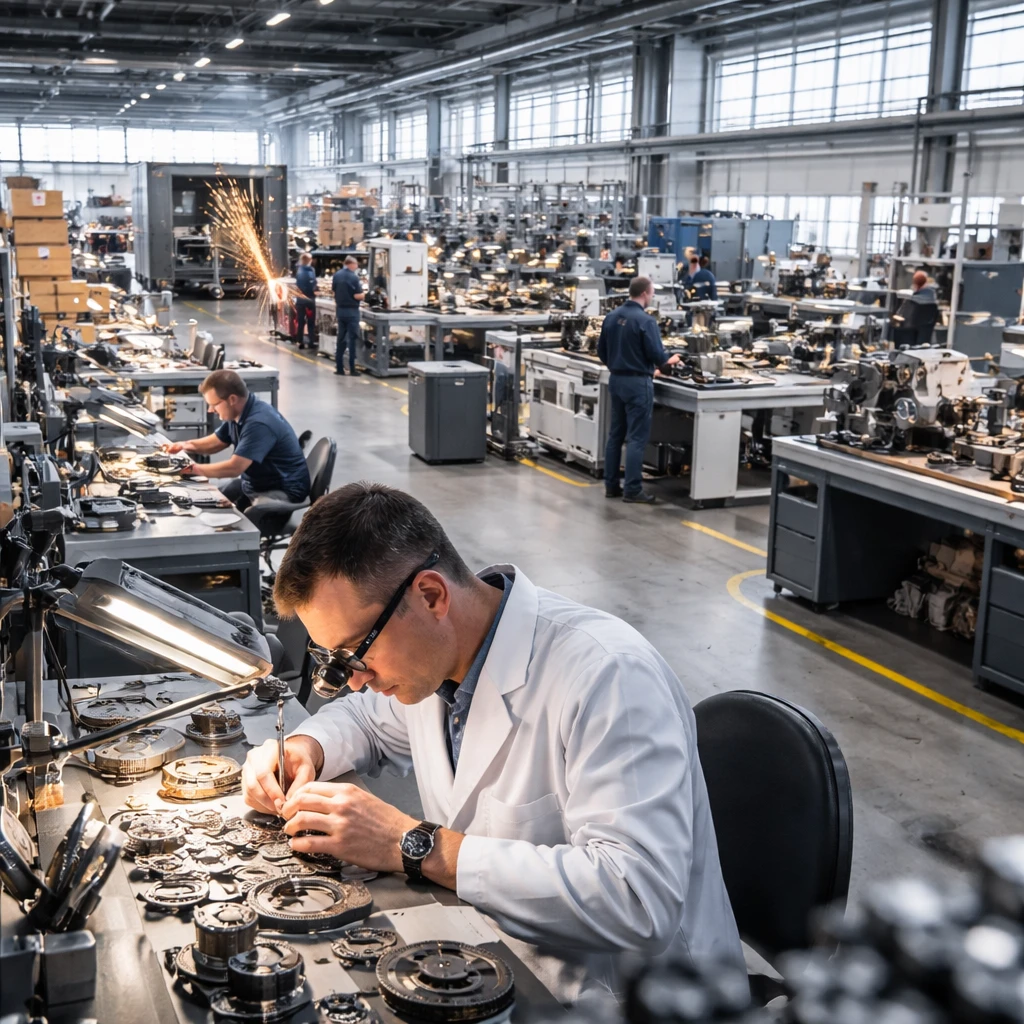
A key driver of the uptick was a recovery in manufacturing, which recorded a 1.5% rise in output after several quarters of flat or negative performance. The government agency highlighted improved business sentiment at the start of the year as a contributing factor, noting that lower tariffs on Swiss exports to the United States supported demand.
U.S. charges on Swiss exports were reduced in January from 15% to 10%, a change the State Secretariat for Economic Affairs identified as easing a burden on exporters and helping lift activity in the sector.
Within manufacturing, not all sub-sectors contributed equally. Output from pharmaceuticals and chemicals, which account for roughly 40% of Swiss manufacturing, declined in the quarter. That fall was offset, however, by expansions elsewhere in the industrial base. Production of machinery, metals and watches rose, collectively making up the net gain for manufacturing.
The government statement emphasized that the improvement in early-year sentiment, together with the tariff reduction, helped support the overall increase in economic output. While pharmaceuticals and chemicals contracted, the broader manufacturing recovery underpinned the quarter's growth figure.
Overall, the data portray a modest acceleration in activity driven by industry-level shifts and external trade conditions. The State Secretariat for Economic Affairs' compilation of the figures points to a mixed internal profile - with a significant sub-sector declining even as others expanded - that nevertheless produced a headline improvement in GDP growth for the period.
Clear summary
Switzerland's GDP rose 0.4% in Q1 2026, up from 0.2% in Q4 2025, as manufacturing rebounded by 1.5%. Reduced U.S. tariffs and improved sentiment helped lift output, with gains in machinery, metals and watches offsetting a decline in pharmaceuticals and chemicals.