
Sri Lanka’s monetary authorities surprised markets with a substantial 100 basis-point increase in the policy rate, lifting the overnight rate to 8.75% from 7.75%. The central bank characterised the move as necessary to contain higher inflation and to arrest a depreciating rupee that it said has been pressured by the U.S.-Israeli war with Iran.
The magnitude of the hike - the largest since a similar-sized move during the severe financial emergency in March 2023 - reflects a marked shift in the central bank’s posture. The tightened stance follows a 25-basis-point rate cut in May 2025 that had aimed to support growth, signalling that policymakers are now prioritising price stability over near-term expansion.
Market expectations had broadly pointed to a more modest adjustment. In a Reuters poll, seven out of 12 economists and analysts had predicted a 25 basis-point or slightly larger change rather than the outsized 100 basis points delivered by the Central Bank of Sri Lanka (CBSL).
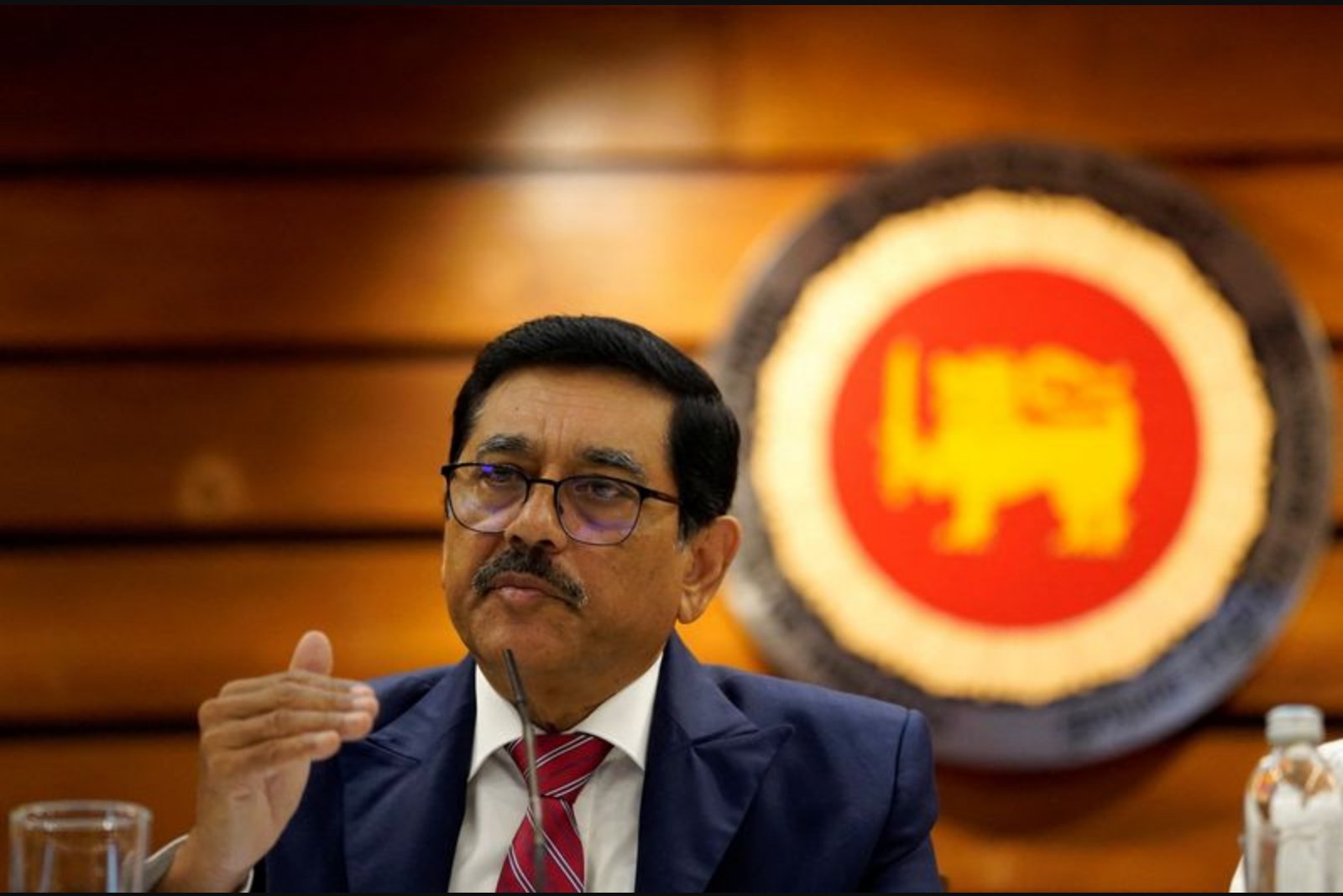
Governor P. Nandalal Weerasinghe framed the decision as a defensive response to recent shocks. At a post-policy press briefing, he said the bank expects economic growth and inflation to remain at a "reasonable" pace and added, "This hike will help stabilise exchange rates and inflation."
The country has been exposed to a sizeable energy shock after the Middle East conflict pushed fuel costs higher. Sri Lanka, heavily reliant on imported fuel, has faced a roughly 40% increase in fuel prices, as well as rationing measures and changes to the working calendar including Wednesday public holidays. The direct impact on transport and production costs has contributed to a pickup in consumer prices.
Headline annual inflation climbed from 2.2% in March to 5.4% last month. While that reading remains far below the roughly 70% peak experienced during the 2022 crisis, the central bank warned that headline inflation is likely to remain above the 5% target in the near term before easing and stabilising around that level.
The currency has been under sustained pressure, with the rupee having fallen 8.7% since early March. Following the policy announcement the market reaction was muted but negative: Sri Lanka’s stock market declined 0.8% and the currency traded near 322 rupees per U.S. dollar.
Analysts read the move as a clear pivot. "This 100bps rate hike suggests the CBSL is shifting gears from supporting growth to defending price stability," said Udeeshan Jonas, head of strategy at Colombo-based equity research firm CAL. Jonas also lowered his 2026 growth forecast to 3.0% from 4.2% after the central bank’s decision.
Official projections released earlier in January by the central bank and the finance ministry had envisaged economic growth between 4% and 5%. Governor Weerasinghe indicated Sri Lanka could still achieve growth at the "lower band of the 4%-5%" range despite the tighter monetary stance.
External account pressures are evident in the central bank’s reserve position. Gross reserves fell 3.8% to $6.7 billion in April after authorities spent $1.5 billion on fuel imports during the first four months of the year. The fuel import bill itself surged 77% in March, underscoring how energy prices have strained the balance of payments.
Sri Lanka is operating under an International Monetary Fund-supported programme worth $2.9 billion. The IMF board was scheduled to consider a $700 million tranche for Sri Lanka under that programme, a disbursement that the government and central bank expect would help bolster reserve buffers.
The central bank’s statement and the wider set of developments underline the spillovers emerging economies are facing from the Middle East conflict. Rising global energy prices, trade disruptions and capital flow volatility have increased the risk of stagflation in markets reliant on crude imports - a theme noted with reference to other regional economies also grappling with currency and inflation challenges.
Summary
- The Central Bank of Sri Lanka raised the overnight policy rate by 100 basis points to 8.75% from 7.75%, the biggest increase in four years.
- Authorities attributed the move to higher inflation and a depreciating rupee, which they linked to the U.S.-Israeli war with Iran.
- Sri Lanka is facing a sizeable energy shock, including a roughly 40% fuel price rise, rationing, and public holiday changes, contributing to inflation and reserve depletion.
Key points
- Monetary policy pivot - The 100bps hike marks a shift from growth-supportive easing to a focus on price stability, with implications for borrowing costs across the economy.
- Energy and inflation - A steep fuel price shock has pushed headline inflation above the 5% target in the short term, affecting input costs for firms in transport, manufacturing and consumer staples.
- External position - Falling reserves and a large fuel import bill have heightened external vulnerabilities, influencing currency market dynamics and investor sentiment.
Risks and uncertainties
- Growth downside - Tighter monetary settings risk slowing recovery momentum; private-sector investment and consumption could be constrained, pressuring GDP outcomes.
- Reserve pressures - Continued high fuel import costs could further deplete reserves, maintaining pressure on the rupee and potentially necessitating additional policy interventions.
- Geopolitical volatility - Ongoing Middle East conflict-driven energy price swings remain an external uncertainty that could keep inflation elevated and complicate policy calibration.