
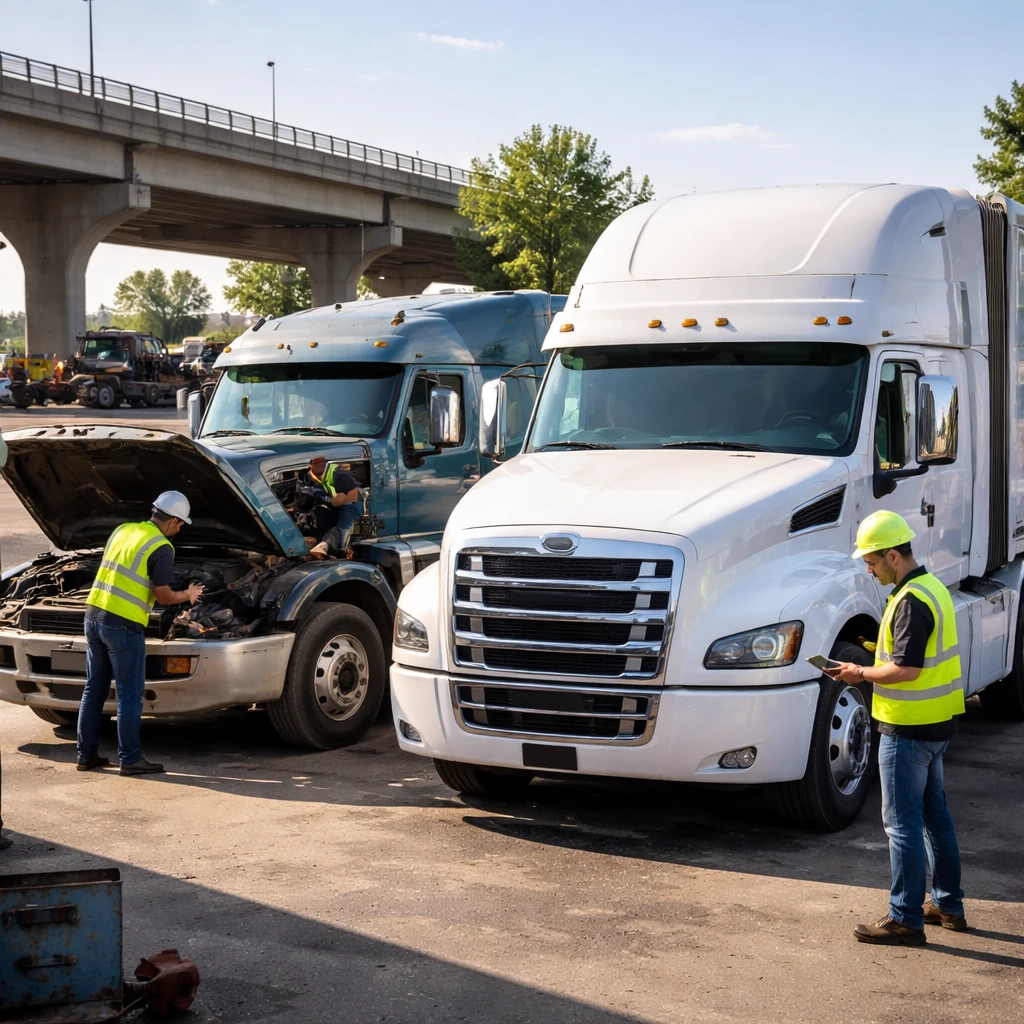
Two U.S. senators unveiled legislation on Tuesday that would eliminate the federal 12% excise tax on heavy-duty trucks. The measure, introduced jointly by Republican Senator Todd Young and Democratic Senator Angela Alsobrooks, is presented as a step to reduce the purchase price of new heavy trucks and to encourage fleet turnover toward newer models.
According to the senators, the current excise tax adds between $15,000 and $30,000 to the cost of acquiring a new heavy truck, trailer, semitrailer chassis or tractor. They said that additional cost acts as a disincentive for trucking companies to replace older equipment and contributes to continued operation of older vehicles.
The lawmakers cited a striking statistic about the age of vehicles on U.S. roads: roughly one-fifth of the largest trucks currently in operation have engines built before 2010, a point the senators used to argue for the potential environmental and safety benefits of accelerated fleet modernization.
Senator Alsobrooks framed the legislation as backing "a modern trucking industry allowing for the adoption of newer trucks that are safer and more fuel-efficient." That language underscores the bill sponsors' stated objective of encouraging purchases of newer equipment that they say would improve safety and fuel efficiency.
At the same time, the excise tax is a substantial revenue stream. The tax produces more than $6 billion each year, with proceeds directed to road construction and repair projects. The senators acknowledged that Congress has struggled to identify stable new funding sources for highway maintenance, a backdrop that highlights a tension between incentivizing newer vehicles and preserving funding for infrastructure.
The proposed repeal is positioned by its sponsors as a way to lower upfront costs for fleet operators and support a transition to more modern trucks, while the statutory role of the excise tax in financing roadwork raises questions about how those funds would be replaced if the tax were removed. The legislation, as presented by the two senators, sets out a policy choice between maintaining a dedicated excise-based funding stream and reducing a barrier to purchasing newer heavy trucks.
Note: The article reports the lawmakers' statements and the revenue figures they provided without offering additional projections or policy prescriptions beyond the content presented by the senators.