
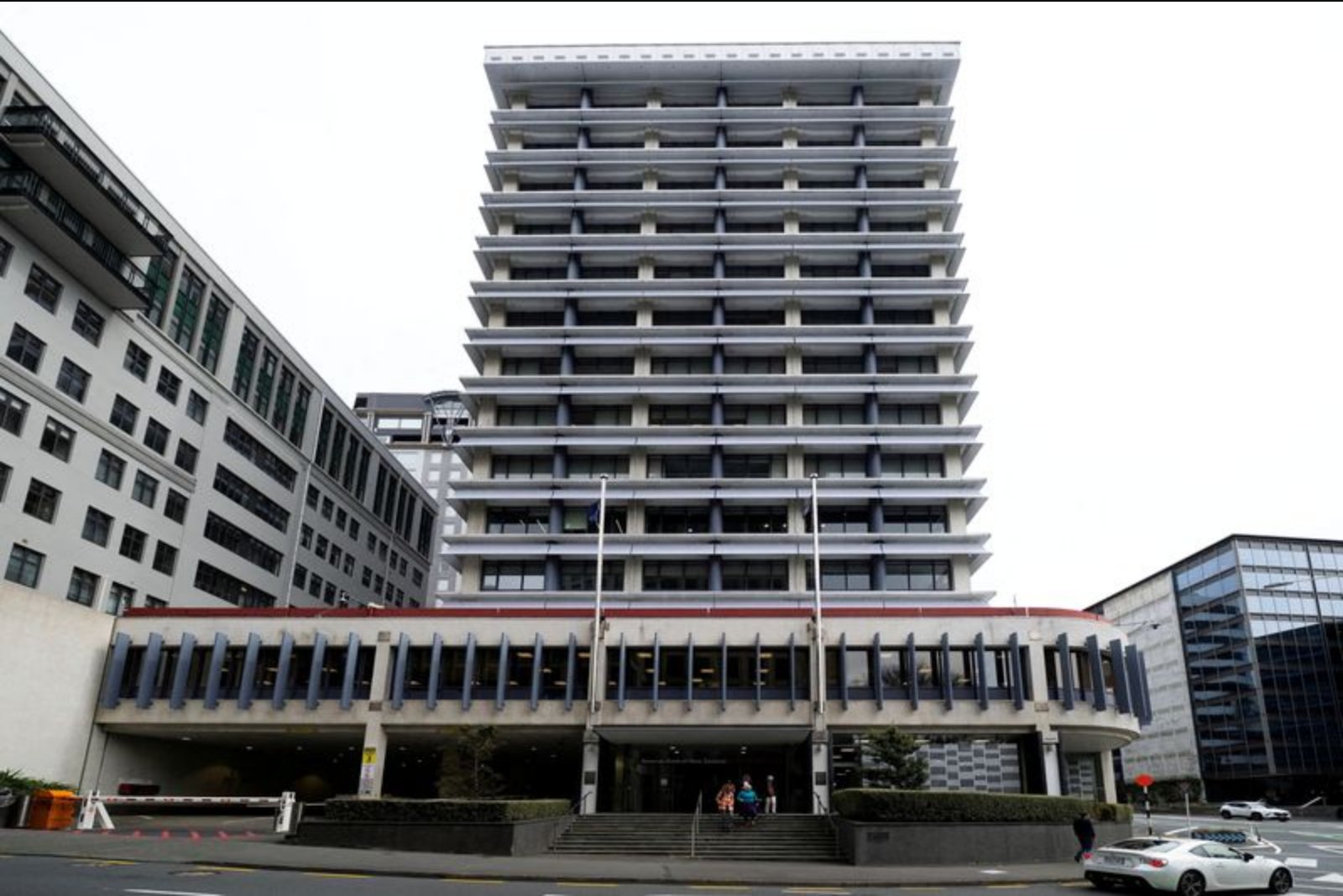
In a decision characterized by internal disagreement, the Reserve Bank of New Zealand (RBNZ) held its official cash rate steady at 2.25% on Wednesday. The May policy meeting concluded with a divided board, where three members advocated for a quarter-point increase in interest rates, while another three members supported maintaining the current rate. Governor Anna Breman provided the deciding vote to keep the rate unchanged.
Despite the decision to hold, the RBNZ's official statement signaled a hawkish shift in future expectations. The central bank indicated that, on balance, the Official Cash Rate (OCR) will likely need to rise sooner and by a greater magnitude than what was originally projected in the February Monetary Policy Statement. The central bank noted that the specific rhythm of these increases will depend on how medium-term inflation pressures weigh against weaker economic activity, specifically looking at the tug-of-war between persistent wage-and-price-setting behaviors and broader economic slowdowns.
Key Economic Developments and Market Impact
The RBNZ's recent policy trajectory represents a significant pivot. Since August 2024, the central bank has implemented rate cuts totaling 325 basis points, a move that reversed earlier tightening efforts meant to curb inflation and address a recessionary environment. However, current data suggests the need for a reversal in this easing cycle.
- Inflation Trends: Inflation has remained at 3.1% for two consecutive quarters, which places it above the RBNZ's established target range of 1% to 3%. The central bank now expects inflation to reach 4.3% during the September quarter.
- Market Pricing: Following the announcement, market expectations shifted, with the probability of an initial rate hike in July rising from 68% to 72%. Current forecasts imply that at least two additional hikes could occur before the end of the year.
- Labor Market Outlook: The central bank anticipates that unemployment, which has been near a decade-high of 5.3%, will peak at 5.4% and remain at that level until June 2027.
These developments have immediate implications for various sectors. Financial markets saw the kiwi dollar hold steady at $0.7162, while two-year swap rates remained relatively unchanged at 3.4441%. The shift toward higher rates could impact capital allocation and borrowing costs across the broader economy.
Economic Risks and Uncertainties
The RBNZ's outlook is heavily influenced by external shocks that introduce significant volatility into the economic forecast:
- Energy Supply Disruptions: Global energy markets face pressure from the ongoing conflict in the Middle East. A fragile ceasefire has been challenged by U.S. strikes on Iranian targets. Furthermore, Tehran has effectively shut the Strait of Hormuz since the war began in late February, a critical waterway that facilitates 20% of global oil and gas shipments.
- Global Monetary Policy Divergence: New Zealand's central bank is navigating a landscape where other major institutions are also turning hawkish. The Federal Reserve is currently viewed as moving toward tightening rather than easing, and Australia's central bank has already executed three rate hikes.
- Inflationary Volatility: War-driven disruptions to global oil supplies have begun to impact near-term inflation expectations, creating uncertainty regarding the exact pace of necessary domestic monetary tightening.
While nearly all economists polled by Reuters expected the steady decision, more than half expressed concerns that the prolonged Middle East conflict could necessitate a rate hike as early as September.