
Economy June 16, 2026 12:50 AM

RBA Holds Cash Rate at 4.35% After Three Hikes, Says Further Increases Remain Possible

Board pauses to assess tighter financial conditions and energy-driven inflation pressures while keeping option to tighten again

By Ajmal Hussain
Share
Twitter Reddit Facebook LinkedIn

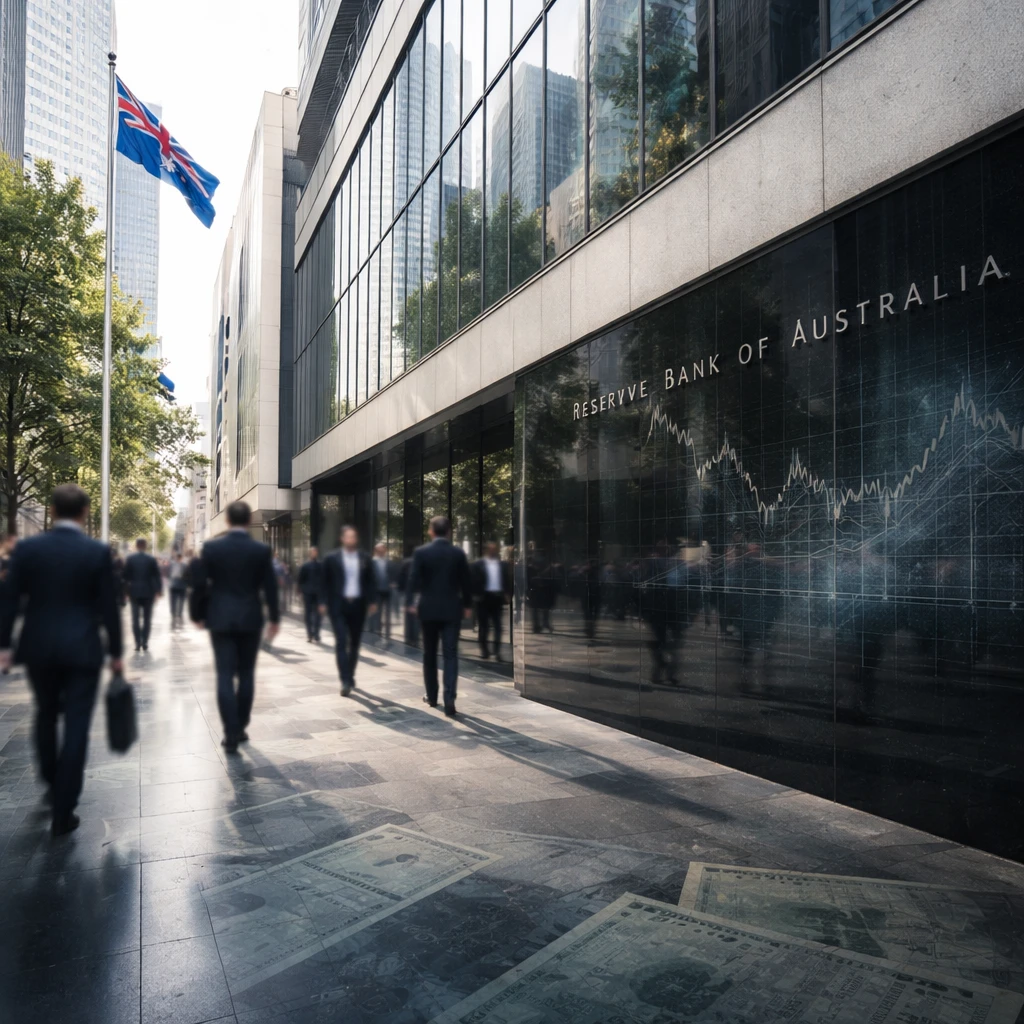
The Reserve Bank of Australia left its cash rate target unchanged at 4.35% after implementing three increases earlier in the year. While the central bank noted signs of slowing growth and consumer spending, it warned that elevated headline and underlying inflation - partly driven by higher energy costs from global oil supply disruptions - remained a risk and said it stood ready to raise rates further if required.

RBA Holds Cash Rate at 4.35% After Three Hikes, Says Further Increases Remain Possible
Summarize with
ChatGPT Perplexity Claude Grok Gemini

Key Points

  • RBA held the cash rate target at 4.35% after three increases earlier in the year, leaving the door open to further hikes if needed - impacts monetary policy and bond markets.
  • Headline and underlying inflation rose materially in the second half of 2025 and remain elevated, with higher fuel costs tied to global oil supply disruptions contributing to broader price pressures - affects households and businesses through higher input and consumer prices.
  • Financial conditions have tightened significantly this year, reflected in higher money market rates, rising bond yields and an appreciating Australian dollar; AUD/USD fell about 0.3% after the decision - relevant for FX-sensitive sectors and exporters.

Australia's central bank kept its cash rate target at 4.35% on Tuesday, pausing after three rate increases this year as policymakers evaluated the cumulative effect of tighter financial conditions and persistent inflationary pressures. The decision matched market expectations and left open the possibility of further tightening if inflation does not return to target.

The RBA highlighted that both headline and underlying inflation rose materially in the second half of 2025 and remain elevated. It identified higher fuel costs - linked to disruptions in global oil supply - as a significant contributor to the recent pick-up in prices.

Although oil prices have softened in recent trading sessions, the bank noted that energy costs and related commodity prices are still above the levels that prevailed before the Middle East conflict, and that these pressures continue to push up overall price growth. The RBA warned that higher fuel costs are feeding through into the prices of other goods and services, increasing the risk that inflation could stay higher for longer.

In assessing the outlook, the bank said financial conditions had tightened notably this year. That tightening has been reflected in higher money market rates, a rise in bond yields and an appreciating Australian dollar. Financial markets reacted to the decision with the AUD/USD currency pair edging down about 0.3%.

On the labour market, the RBA observed that the unemployment rate rose by more than expected in April, yet labour market conditions remained relatively resilient overall. The central bank also reported that business investment continued to grow strongly.

Despite the pause in rate moves, the RBA reiterated its readiness to lift interest rates further if necessary to ensure inflation returns to the target range. The bank framed the pause as a period to assess how prior policy moves and tighter financial conditions are affecting the economy and price pressures.


Implications for markets and the economy

  • Monetary policy - The RBA's stance is conditional: a pause for assessment, with further hikes possible if inflation does not moderate.
  • Currency and bonds - Tighter financial conditions to date include rising bond yields and an appreciating Australian dollar; markets priced a modest reaction in the currency following the decision.
  • Businesses and households - Elevated fuel and energy costs are contributing to broader price pressures that could influence consumer spending and input costs for businesses.

Risks

  • Inflation could remain elevated for longer if higher fuel costs continue to feed through into prices of other goods and services - risk to consumer purchasing power and business margins.
  • Further monetary tightening remains a possibility if inflation does not move back toward the target range, which could slow growth and weigh on investment - risk to credit-sensitive sectors and bond markets.
  • Persistently higher energy and commodity prices, even after recent easing in oil, could sustain upward pressure on overall inflation - uncertainty for households and firms managing input cost volatility.

More from Economy

RBA Pauses at 4.35% but Flags Possible Further Hikes if Inflation Persists Jun 16, 2026 U.S.-Taiwan tax pact could gain traction after recent trade accord, AmCham says Jun 16, 2026 Asia rate moves recalibrate markets as Japan lifts policy rate to 1% Jun 16, 2026 RBA Keeps Cash Rate at 4.35%, Signals Further Hikes Possible if Inflation Persists Jun 16, 2026 Bank of Japan Proceeds with Rate Hike and Bond Taper Amid Persistent Inflation Concerns Jun 15, 2026