
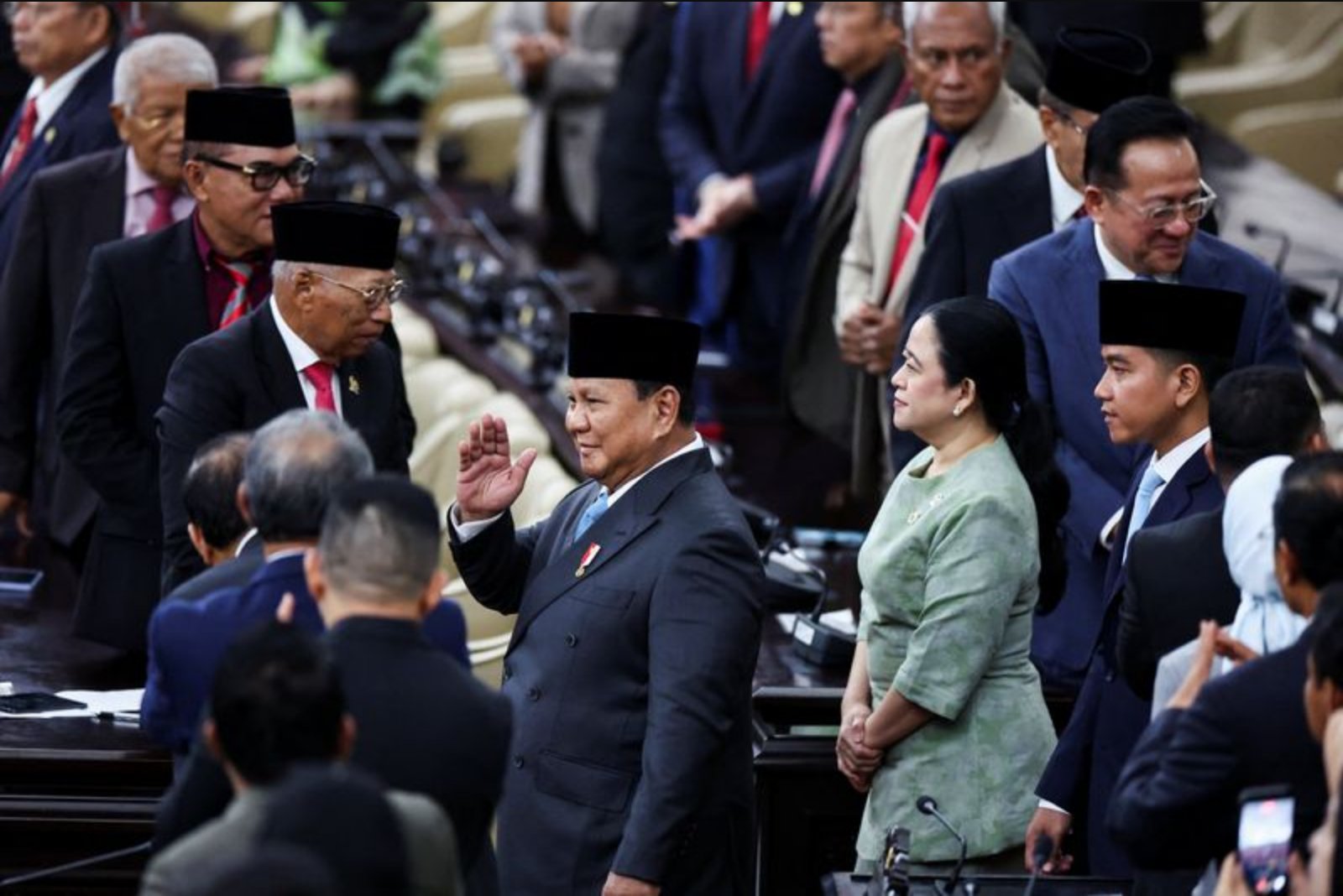
In a rare address to the national legislature, President Prabowo Subianto on Wednesday announced a fiscal framework for 2027 that sets the deficit target between 1.8% and 2.4% of gross domestic product, with an accompanying economic growth goal of up to 6.5%.
Prabowo framed the fiscal goals alongside an emphasis on managing Indonesia's substantial natural resources so they deliver broad-based welfare to the country's 280 million people. "I’m sure every patriot will support this - the earth, water, and all the resources within must be enjoyed by all Indonesians," he said.
The proposed 2027 deficit range represents a marked contraction from the finance ministry's outlook for the current year, which stood at a 2.9% of GDP deficit as of April and incorporated assessments of the economic impact from the Middle East conflict.
Prabowo also put forward macro targets for next year that include an inflation range of 1.5% to 3.5% and an economic growth band of 5.8% to 6.5%. He specified a target range for the average rupiah exchange rate of 16,800 to 17,500 per US dollar for 2027.
On public finances, the president provided ranges for both state expenditure and state revenue. State spending was slated to be 13.62% to 14.80% of GDP, while state revenue was projected at 11.82% to 12.40% of GDP.
Prabowo's comments on resource management coincided with reports that the government is preparing to form a body to oversee key commodities in an effort to boost state revenue. Indonesia, a major global producer and exporter of commodities including nickel, palm oil, tin and coal, faces market sensitivity to that plan, with concern having rattled investors this week.
Market reaction to the commodity oversight proposal contributed to volatility: Jakarta's main stock index fell 3.5% on Tuesday. The move followed earlier concerns over transparency that were flagged in January by global index provider MSCI, which warned Indonesia could be downgraded to frontier status. That warning previously triggered a market rout wiping more than $120 billion from investor positions.
Indonesia's $1.4 trillion economy has come under heightened scrutiny in recent months. Rating agencies Moody's and Fitch earlier this year shifted their outlooks for the country to negative from stable, citing reduced policymaking credibility and predictability.
The rupiah has weakened to a string of record lows despite interventions from the central bank, with the currency's latest fall occurring on Wednesday, according to official remarks accompanying the president's address.
Prabowo delivered specific fiscal targets and macro ranges without detailing implementation steps in the address. Observers will be watching how the proposed commodity oversight body and the narrower deficit target interact with market confidence, public finances and the central bank's efforts to stabilise the currency.
As presented, the 2027 framework ties together targets for fiscal consolidation, inflation control, growth ambition and currency guidance while signalling an intensified focus on ensuring the country's resource endowment translates into broader public welfare.