
Economy May 26, 2026 12:42 AM

Peace Talks Stumble as U.S. Strikes Lift Oil and Keep Markets Uneasy

Military action in southern Iran and cautious diplomatic signals leave oil elevated, central banks alert and investors adjusting rate expectations

By Derek Hwang

Oil prices rose after U.S. strikes in southern Iran described by Washington as defensive, occurring while Iranian negotiators were in Doha for talks on a potential settlement with the U.S. Hopes for a quick breakthrough were tamped down by both capitals, supporting the dollar and producing mixed stock moves. The situation has reinforced expectations for tighter policy from major central banks and heightened concern over inflationary pressure from higher energy costs.

Peace Talks Stumble as U.S. Strikes Lift Oil and Keep Markets Uneasy

Key Points

  • Oil prices rose after U.S. strikes in southern Iran occurred while Iranian negotiators met in Doha to discuss a potential deal with the U.S.; the prospect of reopening the Strait of Hormuz remains uncertain - impacts energy and shipping sectors.
  • Markets have shifted to expect a 25-basis-point Federal Reserve rate hike by December versus two cuts priced at the start of the year; the ECB and BOE are also seen tightening - impacts rates-sensitive financials and bond markets.
  • Central bank actions and comments are reacting to Middle East developments: Sri Lanka raised its policy rate 100 basis points to combat inflation and currency pressure; BOJ Deputy Governor Ryozo Himino said Middle East events will influence BOJ timing - impacts emerging markets, FX, and inflation-exposed sectors.

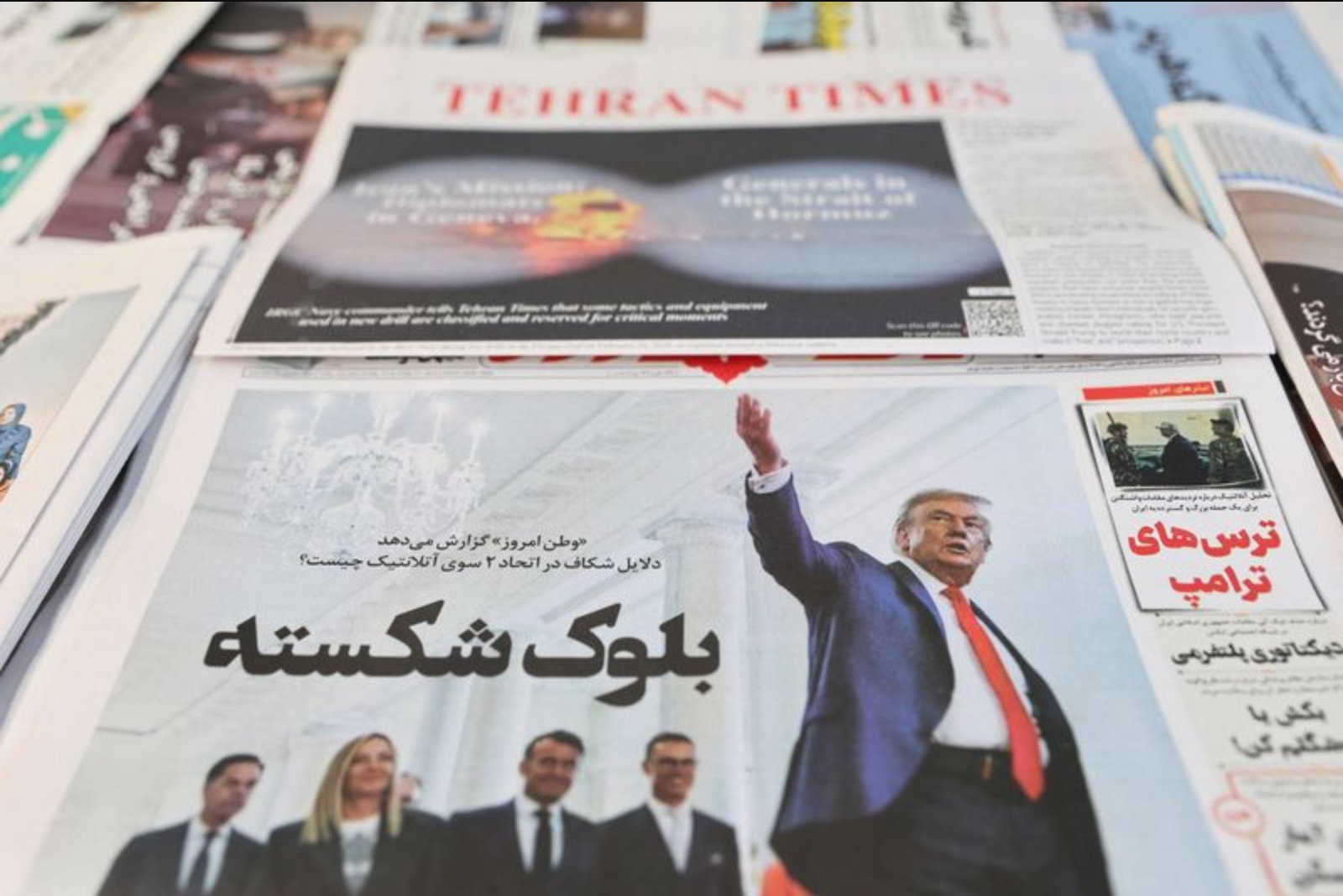
Oil climbed on Tuesday after U.S. forces carried out strikes in southern Iran that Washington characterized as defensive actions. The strikes took place as Iran’s lead negotiator and its foreign minister were in Doha on Monday meeting with Qatar’s prime minister to discuss a potential deal with the United States to end the three-month-old war.

Both Washington and Tehran have publicly played down prospects for an immediate breakthrough, tempering investor optimism. That caution left the dollar with renewed safe-haven appeal while equity markets displayed mixed direction.


Market attention is focused on whether the two countries can reach a settlement that would allow a reopening of the Strait of Hormuz. Japan’s Nikkei newspaper reported that the U.S. and Iran are discussing a plan to reopen the waterway roughly 30 days after any formal agreement to end hostilities, though the report said details remain scant. Until a durable settlement and a secure reopening of shipping lanes are in place, energy prices are likely to stay elevated, the persistence of which would complicate policy choices for central banks and increase cost pressure for businesses and households as inflation picks up.

Central bank moves elsewhere are already reacting to shifting inflation dynamics. In Sri Lanka, the central bank surprised markets by lifting its benchmark policy rate by an outsized 100 basis points in an effort to rein in inflation and counter sharp pressure on the currency. In Japan, Bank of Japan Deputy Governor Ryozo Himino said developments in the Middle East will factor into the timing of any rate-hike decision by the BOJ.

Investor expectations for U.S. policy have shifted substantially. Markets are now leaning toward a 25-basis-point rate increase from the Federal Reserve by December, a reversal from the two rate cuts that were priced in at the start of the year. The European Central Bank and the Bank of England are also seen moving toward tighter policy.

On the data calendar, the Conference Board’s U.S. Consumer Confidence Index is scheduled for release later on Tuesday. The index is forecast to edge down by eight-tenths of a point to 92 in May. Observers note that rising gasoline prices linked to the Iran conflict are likely to remain a source of concern for consumers.


Key developments that could influence markets on Tuesday include the May reading of U.S. consumer confidence. Continued uncertainty over Middle East hostilities, the pace of central bank tightening, and unexpected policy moves by smaller economies remain critical variables for investors.

Risks

  • Continued military actions or a breakdown in talks could keep energy prices elevated, raising inflation pressures for consumers and businesses - risk to consumer discretionary and transportation sectors.
  • Policy uncertainty at major central banks as they weigh higher energy costs could lead to volatile interest rate expectations, affecting bond yields and financial sector valuations - risk to banking and fixed-income markets.
  • Tighter-than-expected monetary responses in small but vulnerable economies, illustrated by Sri Lanka’s surprise 100 basis point hike, could exacerbate currency stress and economic strain in emerging markets - risk to emerging market equities and sovereign credit.

More from Economy

Market Resilience Amidst Sector Shifts: Dow and Russell 2000 Reach New Heights Jun 4, 2026 Australian house price momentum to slow to four-year low as borrowing costs bite Jun 4, 2026 Kevin O’Leary Scales Back Utah Data Center Plan Amid Lawmaker Concerns Jun 4, 2026 Fed's Daly Says AI Could Exert Downward Pressure on Prices Over Several Years Jun 4, 2026 Putin Says Moscow Willing to Make Concessions if Kyiv Reciprocates Jun 4, 2026