
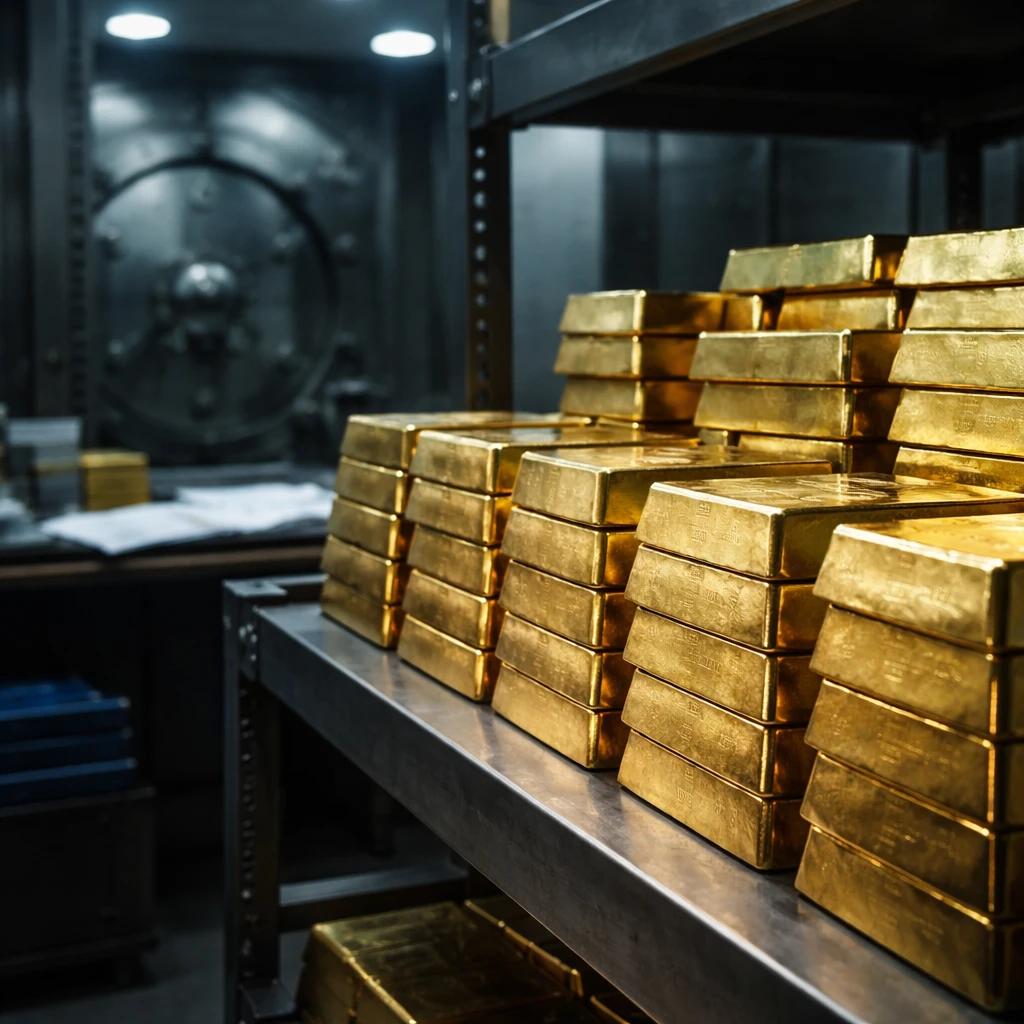
Summary: The central bank of China recorded a rise in its gold reserves for the 19th consecutive month in May, increasing holdings by 320,000 troy ounces. The purchase continues a long-running accumulation strategy even as gold prices slipped in May, the third monthly drop following a record high at the end of January.
Data released by the People's Bank of China show that Beijing boosted its official gold holdings by 320,000 troy ounces in May. This latest addition prolongs the uninterrupted streak of monthly increases to 19 months - the longest continuous run since at least 2015, when the central bank began providing regular updates on its reserve composition.
Gold markets have been under pressure in recent months. Bullion declined during May, representing the third straight monthly fall after the metal reached an all-time high in late January. Market participants have attributed the price weakness in part to persistent inflation concerns and to expectations that interest rates could stay higher for longer.
Rising yields generally make non-yielding assets such as gold less attractive relative to interest-bearing instruments, a dynamic cited as weighing on bullion. Despite that, demand from official-sector buyers has remained a material source of support for the precious metal. Purchases by central banks and other monetary authorities have helped offset periods of weaker investor interest and episodes of market volatility.
China's ongoing accumulation is being watched closely by global investors. As the world's second-largest economy, the country has signalled a continued interest in diversifying reserves away from traditional instruments and in strengthening holdings of alternative stores of value. The May increase suggests that Chinese authorities remain committed to expanding gold reserves even in the face of recent price weakness and a more challenging macroeconomic backdrop.
Analysts referenced geopolitical uncertainty and reserve diversification trends as important drivers underpinning central bank demand. Those themes have gained prominence as governments reassess reserve management strategies amid heightened global tensions. On that point, a major bank last month indicated that official buying could accelerate further, citing geopolitical developments that may prompt governments to step up efforts to diversify reserve assets.
The latest figures underscore the continued role of official-sector purchases in supporting the global gold market. While investors continue to weigh the implications of inflation, interest-rate dynamics, and broader economic uncertainty for bullion, central bank buying has been a consistent counterbalance to weaker private-sector demand.
Implications for markets - Official accumulation affects precious metals markets directly by adding steady demand. It also bears on reserve-management strategies and can influence investor sentiment in related asset classes as policymakers adjust portfolios in response to geopolitical and macroeconomic forces.