
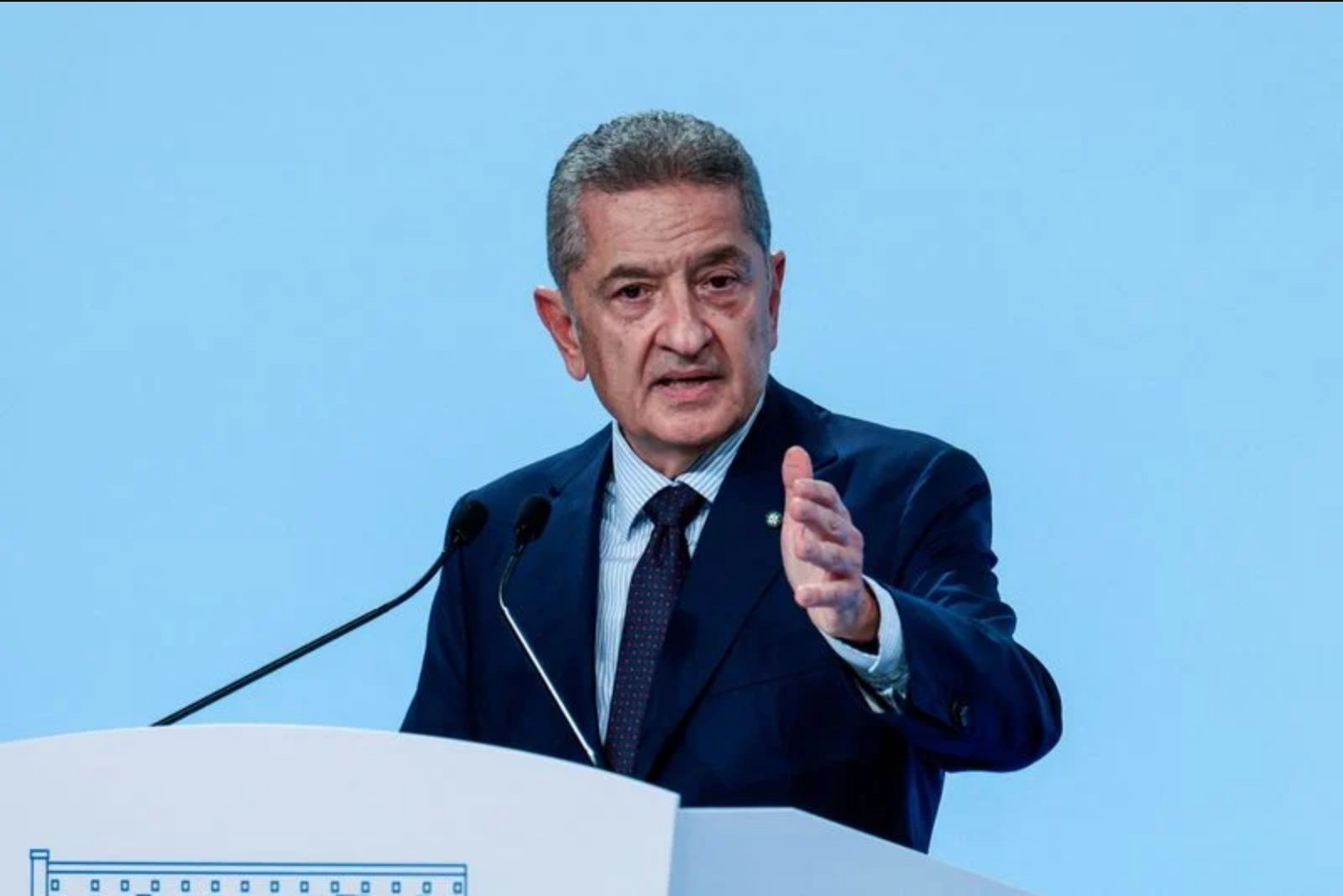
Bank of Italy Governor Fabio Panetta said on Monday that central banks in Europe could come under intensifying pressure from governments coping with a rising need for pension spending and industrial support.
Panetta pointed to fiscal strains in major economies including Germany, France and Italy, which he said are all finding it difficult to finance higher defence budgets, support industrial revival, and maintain welfare systems stretched by ageing populations.
Speaking after a presentation by Oxford University academic Beata Javorcik at an event in Rome, Panetta warned that these fiscal demands could increasingly dictate monetary policy. He used the term fiscal dominance to describe a scenario in which government financing needs shape central bank decisions, and said: "My first reaction is thank God that we’ll retire soon because I think we will be more and more under fiscal dominance."
Panetta added that if voters shift toward greater fiscal spending, he would not expect central banks to be able to "stop the waves."
The governor underscored the central role central banks play in determining government borrowing costs, noting their direct influence over short-term interest rates and their ability to affect bond yields through market operations.
His comments come amid what he described as emerging signs of tension between heavily indebted governments and their central banks, a dynamic that could threaten long-standing institutional independence.
Panetta referenced developments in other jurisdictions to illustrate the point. In Japan, he noted, the government led by Sanae Takaichi is seeking to restore dovish policymakers to the Bank of Japan in a move aimed at slowing the pace of interest rate increases.
He also cited a recent U.S. Supreme Court decision that refused to allow former President Donald Trump to remove a Federal Reserve governor last week, observing that the ruling left the U.S. central bank as the lone agency shielded from presidential removal power.
Panetta further mentioned that European Central Bank President Christine Lagarde did not rule out having a role in next year’s French presidential election, even if that role were limited to bringing a European argument into national politics. The comments collectively highlight the growing intersection between fiscal pressures, electoral politics and central bank independence.