
Summary
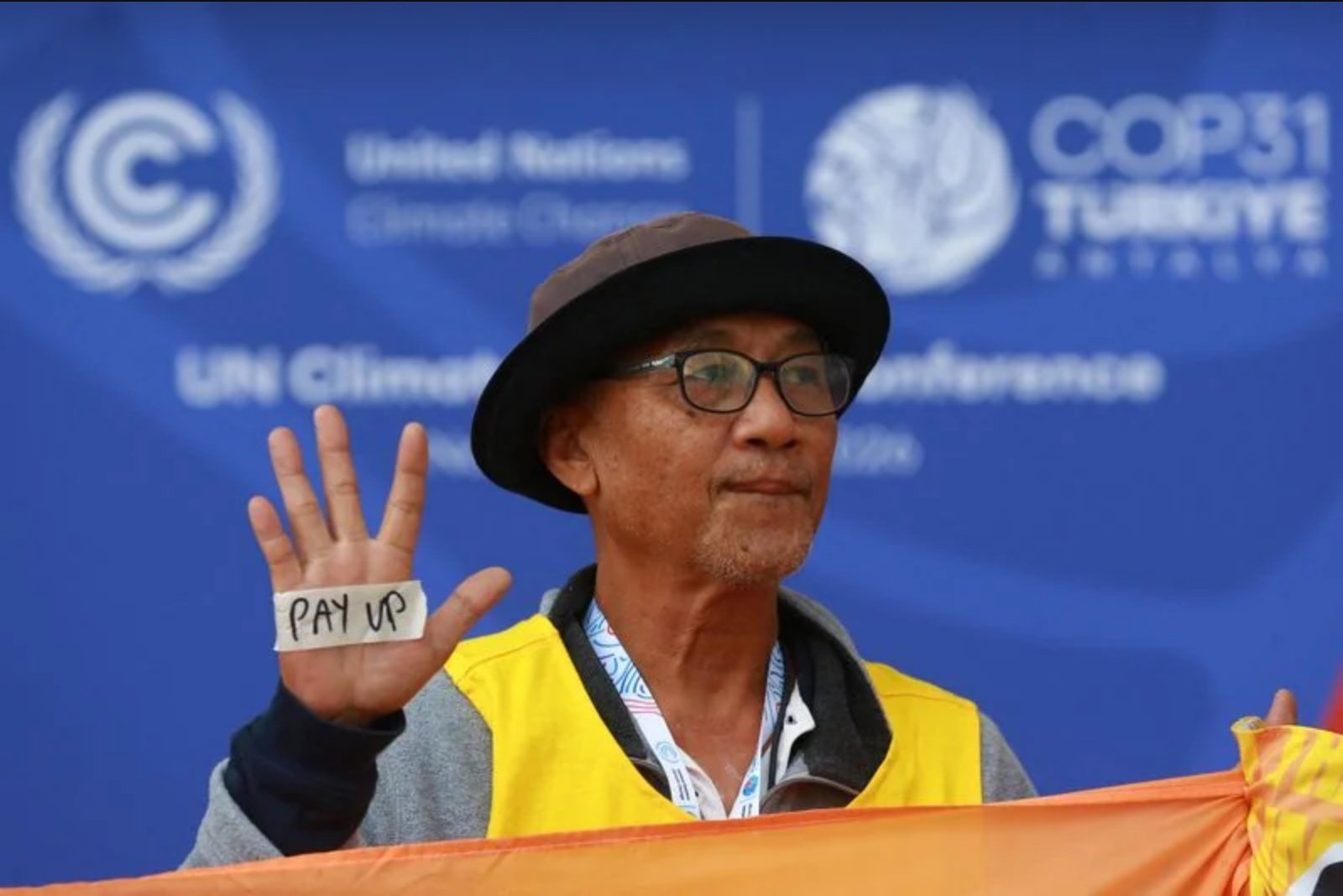
A strong El Nino is worsening near-term climate risks for the most exposed countries at COP31, increasing urgency for adaptation finance. Despite United Nations warnings that early action would be far less costly, the talks in Antalya have produced limited commitments. UN figures show a large mismatch between estimated adaptation needs and current finance flows, while specialised agencies estimate major economic losses and significant human vulnerability if support does not increase.
Context and immediate impacts
This year’s El Nino, a naturally occurring weather pattern, is arriving on top of long-term human-driven climate change, magnifying its effects. Current forecasts suggest this El Nino could rank among the strongest on record and is projected to peak in early 2027. Observed impacts already include reduced maize harvests in Central America, declines in anchovy catches off Peru, and diminished rice and sugar cane yields in parts of Asia. Forecasters are also predicting a mix of droughts and floods across East Africa.
The United Nations has flagged that it would be far cheaper to provide assistance now than to wait until El Nino’s full impacts materialise. That framing has influenced the tenor of discussions at COP31, shifting attention toward near-term resilience needs such as food security.
Finance shortfalls and COP31 negotiations
Negotiators at COP31 have been debating adaptation finance amid constrained public budgets and domestic political pressures in wealthier countries. UN data presented at the talks indicates developing countries need approximately $300 billion per year to adapt to climate change and prepare for future shocks. By comparison, in 2024 they received roughly $30 billion in public finance and about $6 billion from private sources.
Efforts by developing countries to secure concrete language in the draft COP31 deal linking a previously agreed ambition to triple adaptation finance with a specific floor of at least $120 billion per year were removed from the latest draft text. Smaller pledges made during the conference include grants on the order of $50 million from several countries, among them Spain and Germany - amounts that represent a tiny fraction of the estimated needs.
Economic and humanitarian cost estimates
The International Fund for Agricultural Development has produced analysis suggesting El Nino could reduce global incomes by as much as $11 trillion over the coming years. That scale of potential economic damage has prompted agencies to emphasise the need for early interventions that would protect households and preserve livelihoods.
The United Nations Development Programme has set out comparative cost estimates for early protection versus delayed response. A UNDP report dated November 10 indicates that shielding vulnerable households ahead of worsening conditions could require up to $36 billion, while waiting until after damage occurs could raise that bill to $73 billion.
Food security and livelihoods under strain
Officials at UN agencies have stressed that El Nino threatens basic essentials: food supplies, clean water, and secure livelihoods. Higher food prices linked to production shortfalls can force households to purchase less nutritious food, deplete seed stocks intended for future planting, or sell livestock - actions that can irreversibly undermine agricultural productivity and income prospects.
As attention at COP31 shifts toward immediate resilience measures, food security has moved to the forefront of discussions. Representatives note that protecting nutrition and farming livelihoods is central to limiting long-term damage for vulnerable populations.
Vulnerable populations and humanitarian funding gaps
Refugees and forcibly displaced people are among the groups most at risk. The United Nations High Commissioner for Refugees reports that of 117 million people forcibly displaced globally, 90 million live in countries exposed to extreme weather events. UNHCR leadership described this as a "double injustice," where people fleeing conflict subsequently face flooding and other climate shocks.
Humanitarian agencies are operating with constrained budgets. UNHCR said it was only one-third funded this year, following a broader global trend of reduced overseas aid led by withdrawal of its largest donor. That shortfall compounds the difficulties of supporting displaced populations facing heightened climate exposure.
What negotiators and agencies are saying
UN officials and development agency leaders appearing in Antalya have emphasised the logic of acting early. One senior UN development official noted that early action can protect millions and save billions of dollars, stressing that people in harm’s way cannot afford delays. UN and agency statements included estimates and comparisons that underline the financial and human stakes of the current El Nino event.
Key takeaways
- El Nino is intensifying immediate climate risks across multiple regions, affecting staple crops and fisheries and threatening food security.
- There is a large gap between estimated adaptation financing needs - about $300 billion per year - and the finance that flowed in 2024, roughly $30 billion public and $6 billion private.
- Smaller, incremental pledges at COP31 stand in contrast to UN and agency estimates of the early action funding required to prevent larger economic and humanitarian losses.
Risks and uncertainties
- Insufficient adaptation finance could exacerbate food insecurity and damage agricultural sectors in Central America, parts of Asia, and fisheries off Peru.
- Delays in funding or underfunded humanitarian responses may deepen impacts on refugees and displaced populations, especially in countries already exposed to extreme weather.
- Large-scale economic losses are projected in agency analyses if El Nino effects are not mitigated quickly, with broad implications for global income and vulnerable livelihoods.
These risks directly affect agriculture, fisheries, food markets, humanitarian operations, and broader economic activity where income and livelihoods are tied to climate-sensitive sectors.
Note: This report presents the facts and estimates made public during COP31 and in associated UN and agency publications. Where exact outcomes or future trajectories remain uncertain, those limitations are reflected rather than inferred upon.