
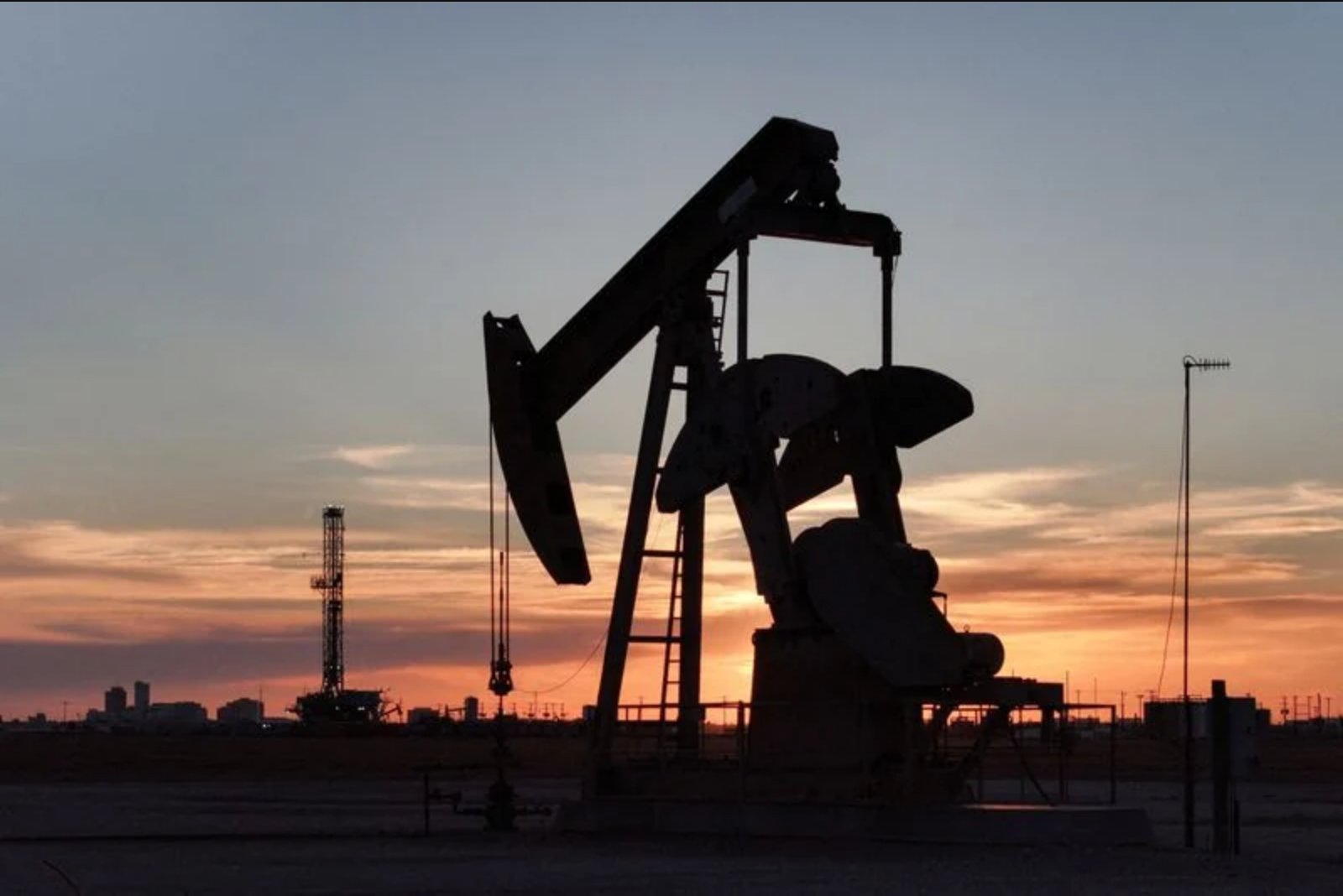
US shale producers are directing a material share of recent oil-sector profits to investors, outpacing the larger oil majors in the pace of shareholder payouts as commodity prices climbed. In the third quarter, buybacks and dividends among a group of independent producers rose 41% from the prior year, reflecting higher cash inflows tied to a more than 50% jump in Brent crude in 2026 amid supply disruptions related to the Middle East conflict.
The companies named in quarterly reports that emphasized shareholder returns include Devon Energy, ConocoPhillips, Diamondback Energy, Occidental Petroleum, APA and EOG. Collectively, those six firms returned approximately $7.25 billion to shareholders in the quarter through dividends and share repurchases, about $2.11 billion more than the same period a year earlier, based on Reuters calculations.
By contrast, the larger integrated peers Exxon Mobil and Chevron kept their shareholder distributions flat, with Exxon maintaining $9.4 billion and Chevron nearly $6 billion in returns during the same period. Analysts note a difference in priorities between the supermajors and independents.
"Supermajors focused this quarter on allocating high profits towards reducing debt," said Matthew Bernstein of Rystad Energy. He added that geographic and revenue diversification allows the larger companies to fund existing capital plans and shareholder frameworks while using oil-price related cash to pare down liabilities.
Several independents flagged further increases in buybacks ahead. ConocoPhillips announced plans to raise buybacks in the fourth quarter and set a target to return 45% of cash flow from operations to shareholders in 2027. Devon projected buybacks stepping up to over $1 billion in the current quarter, with further increases expected in 2027. APA said it plans to repurchase an additional $650 million of shares by year-end and, combined with dividends, is on track to return at least 60% of annual free cash flow to shareholders.
Brokerage and research commentary reflected expectations that buybacks will remain a central use of cash. James West of Melius Research said he expects buybacks to continue, while noting companies might expand output if the Middle East conflict ends and oil prices stay above $80 per barrel.
Dividend increases were also notable during the quarter. Diamondback raised its dividend by 7%, while EOG and ConocoPhillips increased theirs by 8% and 11%, respectively. At Exxon, CEO Darren Woods said the company plans to maintain annual share repurchases at $20 billion in 2027, emphasizing a preference for "certainty" and "reliability" in distributions and a deliberate avoidance of "over-exuberant" spending when commodity prices spike.
Observers highlighted a contrast in behavior: majors establish fixed dollar buyback programs and adhere to them, while independents tend to vary repurchases based on current cash flows, according to Jeff Krimmel, founder of Krimmel Strategy.
Producers signaled caution on near-term production growth. Diamondback, EOG, ConocoPhillips and Devon each forecast a low single-digit increase in production in 2027. Occidental expects production to be flat next year, and APA anticipates similar volumes in the United States and Egypt year-over-year.
Diamondback's chief executive, Kaes Van't Hof, described oil prices this year as "all over the place." Over a nine-month span, Brent ranged from $59.75 per barrel to $126.41 per barrel, a degree of volatility management teams said supported a conservative reinvestment posture. Diamondback reported a reinvestment rate of 32% in the third quarter - the ratio of capital expenditure to cash flow from operations - down from about 36% to 37% a year earlier.
Diamondback's approach, Van't Hof said on the earnings call, is to keep the reinvestment rate low to maximize free cash generation and then allocate that cash "appropriately." That framing aligns with the broader trend among independents to emphasize shareholder returns over rapid production growth during a period of sharp and unpredictable price swings.
Melius Research's West observed that in prior cycles, oil trading in the mid-$80s would typically have prompted quicker increases to exploration and production budgets within weeks to months. He said US shale producers instead largely spent in line with their budgets set at the start of the year.
The recent pattern leaves the sector with a mix of stronger investor distributions and restrained capacity expansion plans. Companies have signaled ongoing buybacks and dividend hikes while signaling only modest production growth next year, an orientation that reflects both the current windfall from elevated prices and a preference among many firms to preserve financial flexibility amid continued market uncertainty.