
Output from the 11 current members of the Organization of the Petroleum Exporting Countries declined by 1.22 million barrels per day in May, to 16.33 million barrels per day, marking the lowest monthly total in at least 37 years, according to a Bloomberg survey released Friday.
More than half of that decline was attributed to Iran. Iranian production fell by 710,000 barrels per day in May, reaching a five-year low of 2.34 million barrels per day, the survey showed. The drop followed a US blockade of Iranian ports put in place in mid-April, which has placed additional pressure on Iranian shipments and constrained its exports.
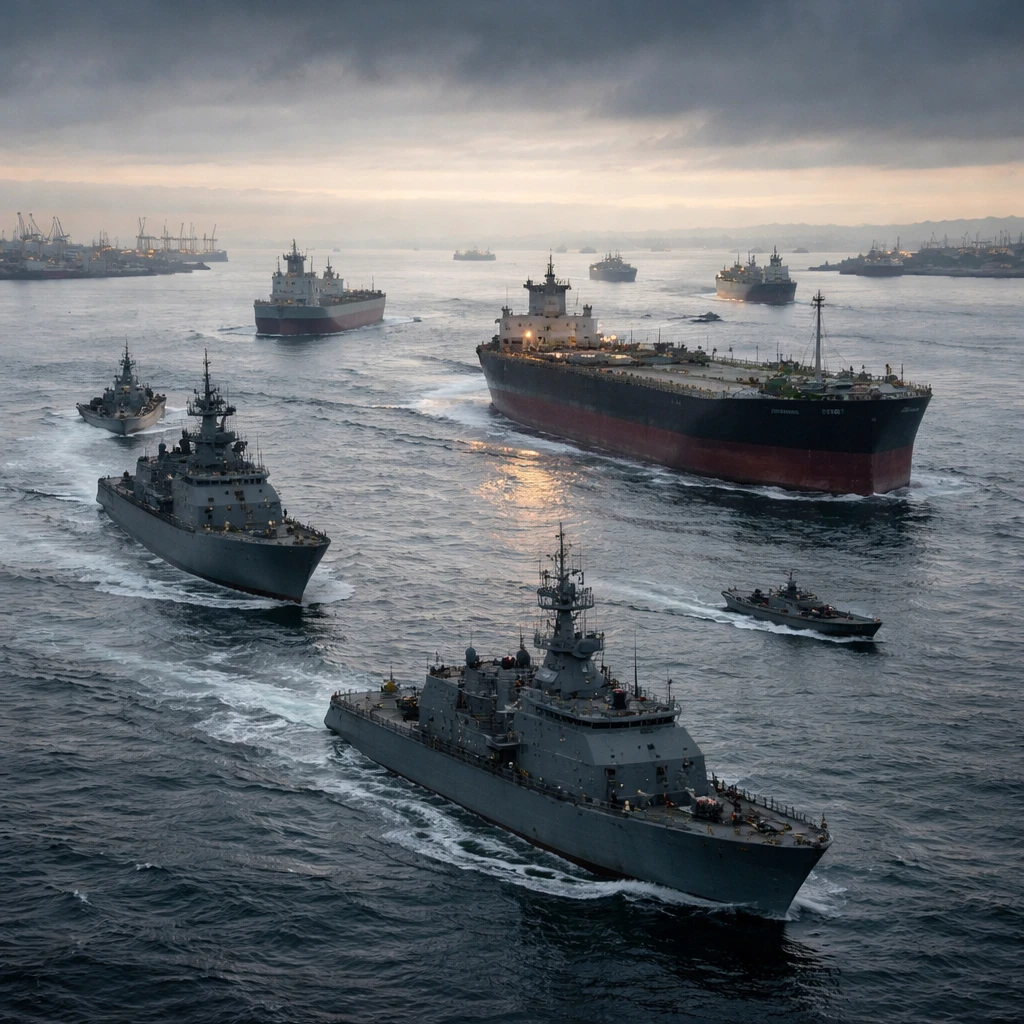
Central Command reported that US forces redirected 127 commercial vessels to enforce the blockade of all maritime traffic entering and exiting Iranian ports. The resulting disruption in maritime flows has been cited as a key factor reducing supplies from the Middle East.
Other Gulf producers also cut output in May. Kuwait recorded the second-largest decline, with production down 310,000 barrels per day to 490,000 barrels per day - a level described in the survey as less than one-fifth of pre-war production. Saudi Arabia, the largest producer among the group, lowered output by 240,000 barrels per day to 6.57 million barrels per day. The survey also noted that Saudi Arabia, Iraq, the UAE and Kuwait have been forced to curtail crude production amid the wider regional disruption.
The survey excludes the United Arab Emirates from the OPEC tally, because the UAE departed the Organization last month after six decades of membership. Separately, UAE output was reported to have risen by 300,000 barrels per day to 2.44 million barrels per day in May.
Despite the physical reductions in supply, OPEC and its allies have continued a process of raising quotas that had been paused several years ago. Delegates to the OPEC+ group indicated that key members are expected to lift targets by 188,000 barrels per day again in July during a scheduled video conference on Sunday. That session is one of four online meetings the alliance plans to hold that day.
Delegates also signaled plans for two further monthly quota increases in August and September. Those planned increases reflect the group's ongoing quota-management process, even as actual output in May was materially lower than member targets due to the operational and geopolitical constraints described above.
The data in the survey and the comments from delegates together paint a picture of an oil market where intended production trajectories and realized exports are diverging because of the Iran blockade and widely felt disruptions in the Persian Gulf maritime corridor.
Where the gap between quotas and delivered barrels narrows or widens in coming weeks will be a central question for markets, shipping operators and energy-focused businesses as the alliance proceeds with its planned incremental quota changes.