
In a decisive move to advance its inquiry into the late sex offender Jeffrey Epstein, the New Mexico Truth Commission has issued its first set of subpoenas. This legislative action marks a critical phase for the bipartisan committee, which was established earlier this year in February following the disclosure of millions of documents by the Justice Department. These files have provided significant new insights into the operations and activities occurring at Epstein's former ranch within the state.
The investigation aims to scrutinize the performance and oversight of both state and federal agencies. State Representative Andrea Reeb, a member of the commission, indicated that the committee’s current strategy involves gathering comprehensive information from organizations before proceeding to subpoena specific individuals. This approach is intended to ensure that investigators possess the necessary documentation to conduct effective questioning of key figures, such as former attorneys general.
Key Investigative Developments
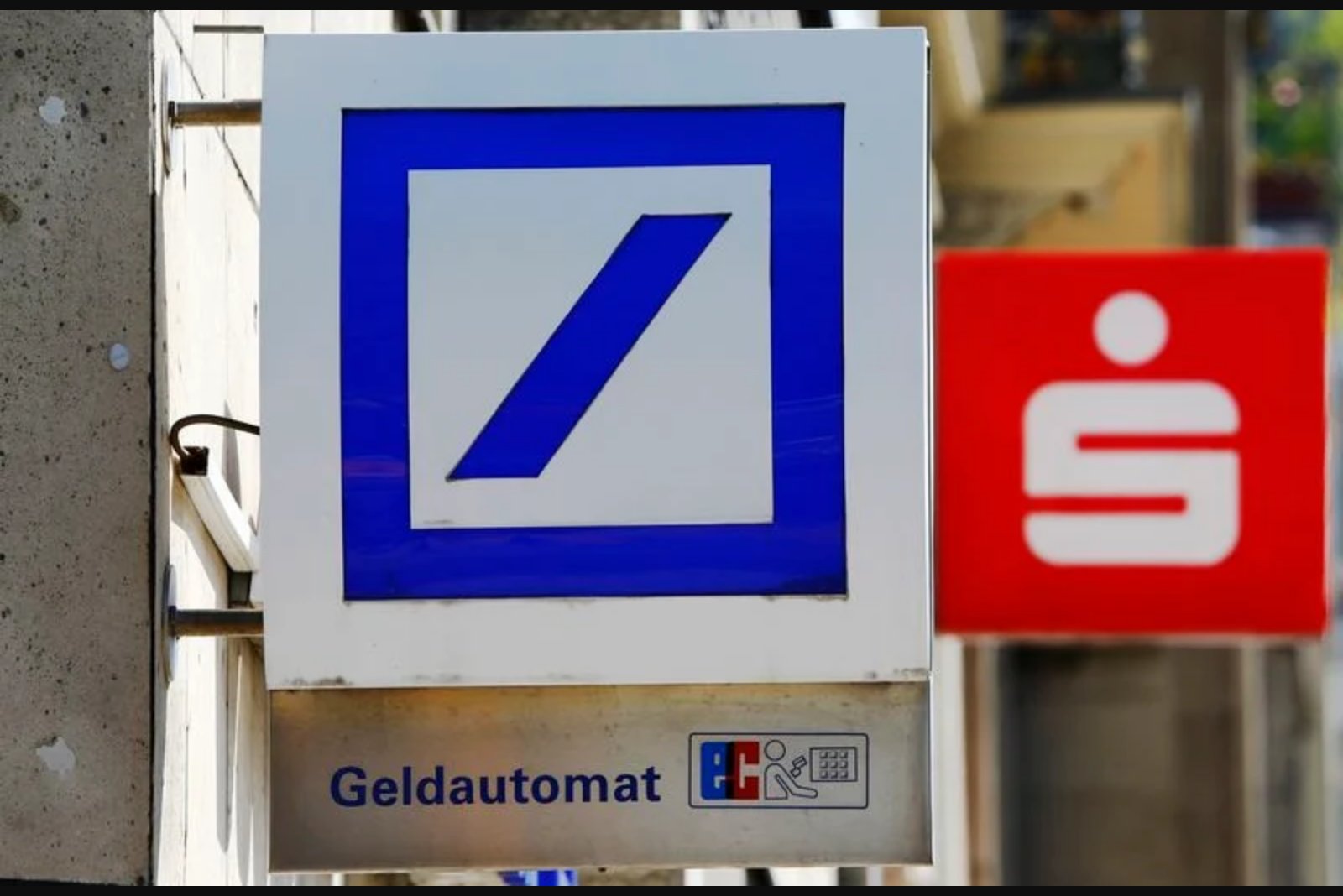
- Broad Scope of Subpoenas: The commission has called for evidence from 14 separate entities. According to New Mexico Representative Andrea Romero, who chairs the group, the list of subpoenaed organizations includes Deutsche Bank, the FBI, the New Mexico Department of Justice, and the New Mexico State Land Commission. Additionally, the Santa Fe County Sheriff’s Office and the Santa Fe Institute - a scientific foundation based in the state's capital - are among those being targeted for information.
- Survivor Testimony: The commission's recent proceedings included emotional testimony from individuals directly impacted by the case. Rachel Benavidez, who survived alleged sexual abuse at the Epstein ranch, provided her account to the committee. Furthermore, family members of Virginia Giuffre, another survivor of the alleged abuse, also presented testimony during the meeting.
- Institutional Accountability: A primary objective of the commission is to determine how state and federal agencies may have failed in their duties regarding Epstein's activities. The investigation seeks to identify gaps in oversight and enforcement that allowed these events to occur.
Economic and Market Implications
While the investigation is primarily a legal and legislative matter, it touches upon sectors with broader institutional implications:
- Financial Services: The inclusion of Deutsche Bank in the subpoena list brings the investigation into the sphere of major financial institutions. This highlights how regulatory and investigative scrutiny can extend to the banking sector regarding historical client oversight.
- Government and Public Sector: The focus on federal agencies like the FBI and state entities such as the New Mexico Department of Justice underscores the intense scrutiny being applied to public institutional efficacy and governance.
Identified Risks and Uncertainties
The ongoing investigation presents several variables that remain unresolved:
- Scope of Institutional Failure: There is an inherent uncertainty regarding the extent to which state and federal agencies failed in their oversight roles. The commission's ability to definitively establish these failures remains a central, yet unproven, component of the probe.
- Information Gaps: As noted by Representative Reeb, the investigation relies on first securing institutional data before it can move toward individual accountability. The completeness and accessibility of this information will dictate the trajectory of the inquiry.