
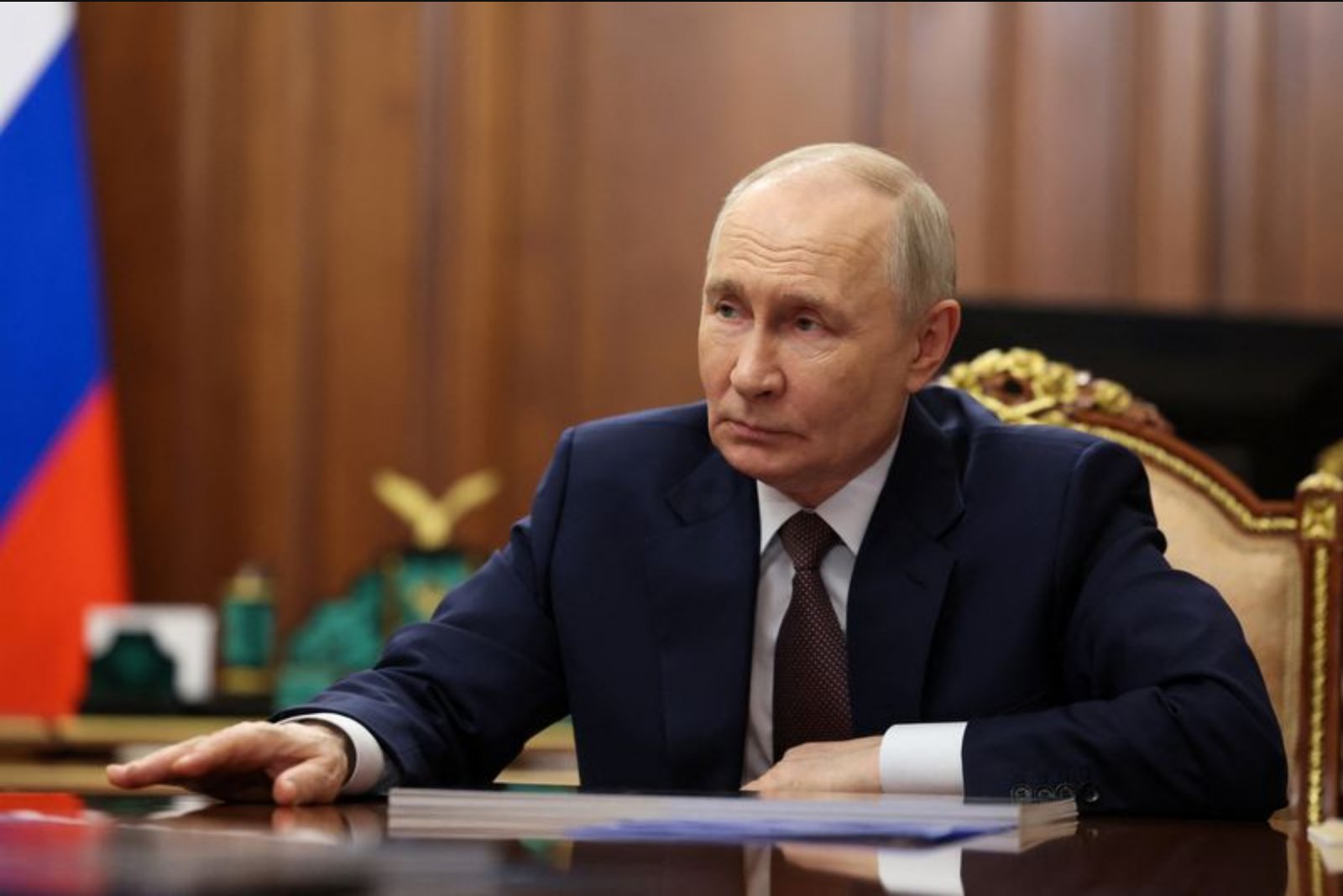
Economy May 25, 2026 08:42 PM

Moscow Implements New Debt Relief Measures for Military Recruits and Families

President Putin signs decrees targeting debt cancellation and land rights as Russia seeks to bolster military numbers.

By Jordan Park

In an effort to increase the size of its military forces during the ongoing conflict in Ukraine, Russian President Vladimir Putin has enacted a new decree focused on providing financial relief to recent recruits. The measure specifically targets individuals who have entered into contracts with the Russian defense ministry and provides significant debt forgiveness for them and their families.The Kremlin announced late Monday that the new policy allows for the cancellation of debts totaling up to 10 million roubles ($139,700) under specific conditions. To qualify, individuals must have signed a contract with the defense ministry on or after May 1, and the relief extends to their spouses as well. Furthermore, these debt write-offs apply if legal claims to collect such debts were already in effect prior to that date. The Kremlin specified that contracts for the so-called special military operation - the term used by Russia for its February 2022 invasion of Ukraine - must be held for a minimum duration of one year.Beyond debt relief, Putin signed an additional decree that provides an indefinite extension of rental rights for state-owned land for those participating in the fighting in Ukraine. These initiatives represent an expansion of existing support structures, which already include significant monetary payouts and preferential access to higher education for combatants.

Moscow Implements New Debt Relief Measures for Military Recruits and Families

Key Points

  • New debt relief up to 10 million roubles for recruits and spouses signing contracts from May 1.
  • Indefinite extension of rental rights for state land granted to those fighting in Ukraine.
  • Financial incentives are part of a broader suite of benefits including payouts and education access.

The Kremlin has introduced new legislative measures intended to incentivize enlistment and provide financial stability to the families of Russian military personnel. According to a decree posted on the official Kremlin website, President Vladimir Putin has authorized debt relief for new recruits who have entered into service contracts with the Russian defense ministry.


Key Provisions of the New Decrees

The recently signed legislation introduces several specific financial and administrative benefits designed to support those joining the military forces:

  • Debt Forgiveness: Individuals who signed defense ministry contracts starting from May 1, along with their spouses, are eligible for debt relief. This relief applies to debts up to 10 million roubles ($139,700), provided that legal claims to collect these amounts were active before the May 1 cutoff.
  • Contract Duration: The Kremlin has established that contracts signed for the special military operation must be maintained for a period of at least one year.
  • Land Rights: A separate decree signed by Putin provides an indefinite extension of rental rights for state land specifically for those fighting in Ukraine.

To provide context for the scale of this financial relief, data from the Cian real estate database suggests that a 10 million rouble write-off is roughly equivalent to the cost of a 35 square metre studio apartment in Moscow.


Economic and Market Implications

While the decrees are focused on military recruitment, they intersect with several economic sectors:

  • Financial Services: The large-scale cancellation of debts up to 10 million roubles per qualifying individual could impact the balance sheets of creditors and financial institutions holding these claims.
  • Real Estate and Land Management: The extension of state land rental rights and the comparison of debt relief to Moscow property values highlight a connection between military policy and the broader real estate landscape.

Risks and Uncertainties

The implementation of these measures occurs amidst a highly volatile geopolitical environment, presenting several uncertainties:

  • Geopolitical Escalation: The Kremlin is introducing these measures as U.S.-led peace talks have reached a standstill. Both sides in the conflict accuse one another of seeking escalation.
  • Military Maneuvers: Ukraine is planning to deploy reinforcements to its northern territories in response to what it perceives as Russian intentions for a new offensive, adding uncertainty to the security environment.
  • Recruitment Success: The effectiveness of these financial incentives in meeting Moscow's goals to boost army numbers remains an unverified outcome of these policy shifts.

Risks

  • Stalled peace talks and mutual accusations of escalation between the warring parties.
  • Potential for new military offensives leading to increased conflict intensity.
  • Uncertainty regarding whether these incentives will successfully meet recruitment targets.

More from Economy

Australian house price momentum to slow to four-year low as borrowing costs bite Jun 4, 2026 Kevin O’Leary Scales Back Utah Data Center Plan Amid Lawmaker Concerns Jun 4, 2026 Fed's Daly Says AI Could Exert Downward Pressure on Prices Over Several Years Jun 4, 2026 Putin Says Moscow Willing to Make Concessions if Kyiv Reciprocates Jun 4, 2026 Putin Says Moscow and Beijing Near New Energy Deals, Offers Few Details Jun 4, 2026