
Bengaluru, May 21 - Growth across India's private economy softened in May, driven mainly by a cooling manufacturing sector even as the services segment recorded a marginal gain, according to the HSBC flash Composite Purchasing Managers' Index (PMI) compiled by S&P Global.
The composite PMI slipped to 58.1 in May from a final reading of 58.2 in April, and was marginally above a median forecast of 58.0. The 50 mark separates expansion from contraction.
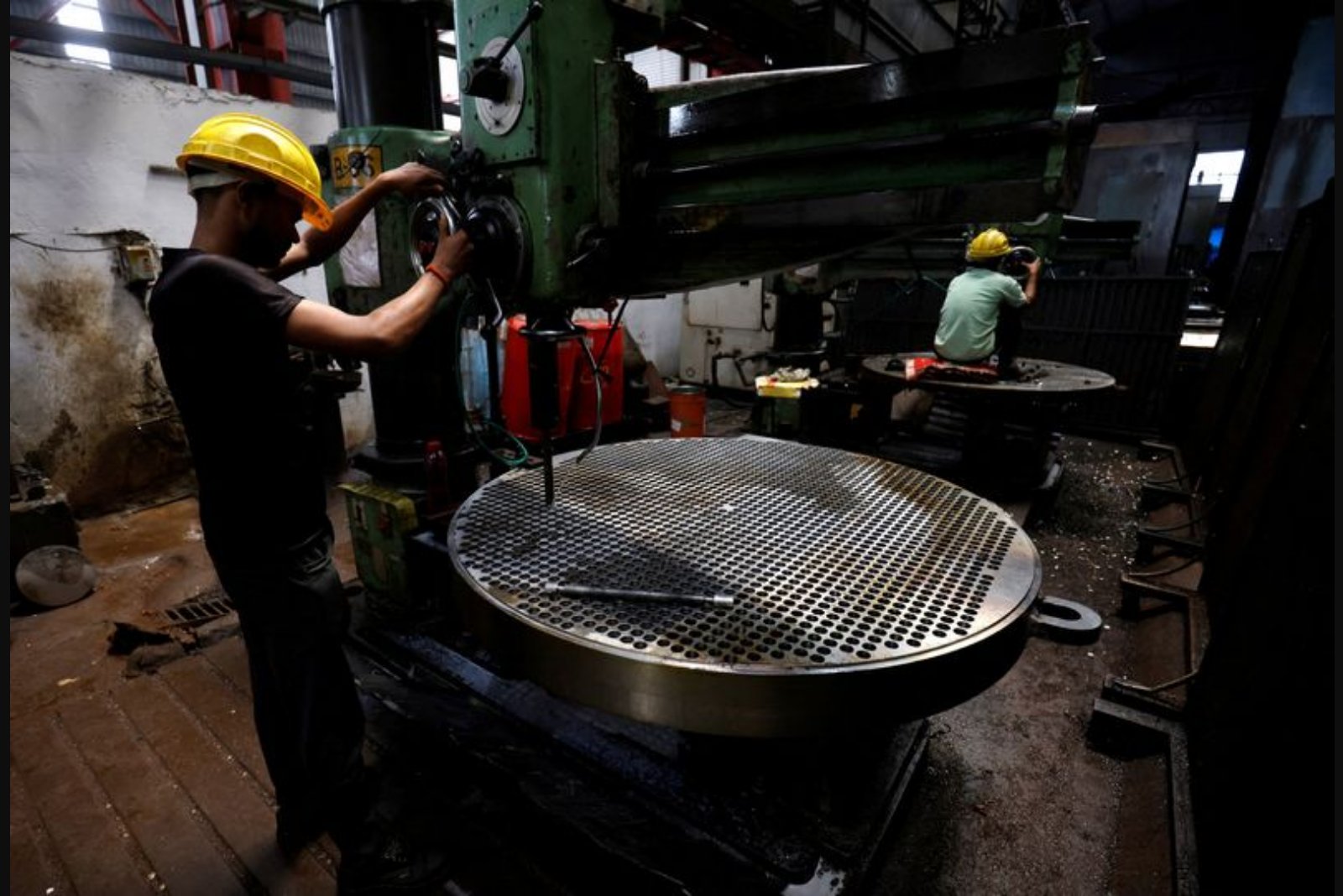
The slowdown was concentrated in manufacturing. New orders in the factory sector expanded at one of the slowest rates seen in nearly four years, and production growth slowed to its second-weakest pace since mid-2022. The manufacturing PMI fell to 54.3 in May from April's 54.7.
By contrast, the services PMI business activity index provided some upward momentum, rising slightly to 58.9 from 58.8 the previous month.
Export demand weakened across the private economy. New export orders rose at their slowest rate in 19 months, with survey respondents pointing to the Middle East conflict and travel disruptions as factors that weighed on international demand.
Costs for businesses increased overall. Input prices paid by firms were higher, led by a sharp rise in manufacturing outlays, which climbed at the steepest rate since July 2022. Survey respondents cited higher costs for energy, steel, and food as drivers of the increase.
Despite rising input costs, firms limited how much of those expenses were passed on to customers. Composite-level output charges increased at the softest pace since January.
Labour trends were mixed. Service providers expanded payrolls at the strongest rate in nearly a year, while job creation in manufacturing eased.
Business confidence moderated as well, with optimism slipping to a three-month low. The survey’s latest readings suggest that persistent cost pressures and weaker global demand are beginning to challenge the resilience of India's growth engine.
Implications for markets and sectors
- Manufacturing and export-oriented industries face pressure from softer international demand and higher input costs.
- Services continue to support private-sector activity, notably through stronger hiring in the sector.
- Inflationary input pressures - energy, steel, and food - are influencing firms' cost structures and pricing decisions.