
Economy May 25, 2026 12:36 AM

Markets Watch: Diplomatic Talks Drive Risk Appetite Amid Lingering Doubt

Investors push Asian stocks to records as hopes for a U.S.-Iran deal lift sentiment, but uncertainty and policy implications keep markets cautious

By Ajmal Hussain

Renewed prospects for a deal to end the Iran conflict and reopen the Strait of Hormuz encouraged investors to take on more risk, sending stocks in Tokyo and Taipei to record highs while weighing down oil and the U.S. dollar. Skepticism persists after U.S. President Donald Trump urged caution, and market liquidity is thin with public holidays in the U.K. and U.S. Shipping movements out of the Strait and a long-stalled supertanker leaving the Gulf supported optimism, though analysts caution that oil markets and inflation dynamics will take time to normalize. Traders have fully priced a 25-basis-point Federal Reserve rate increase in January 2027, reversing expectations for rate cuts earlier this year.

Markets Watch: Diplomatic Talks Drive Risk Appetite Amid Lingering Doubt

Key Points

  • Talks to end the Iran war and reopen the Strait of Hormuz lifted risk appetite, pushing Tokyo and Taipei to record highs while oil and the U.S. dollar fell.
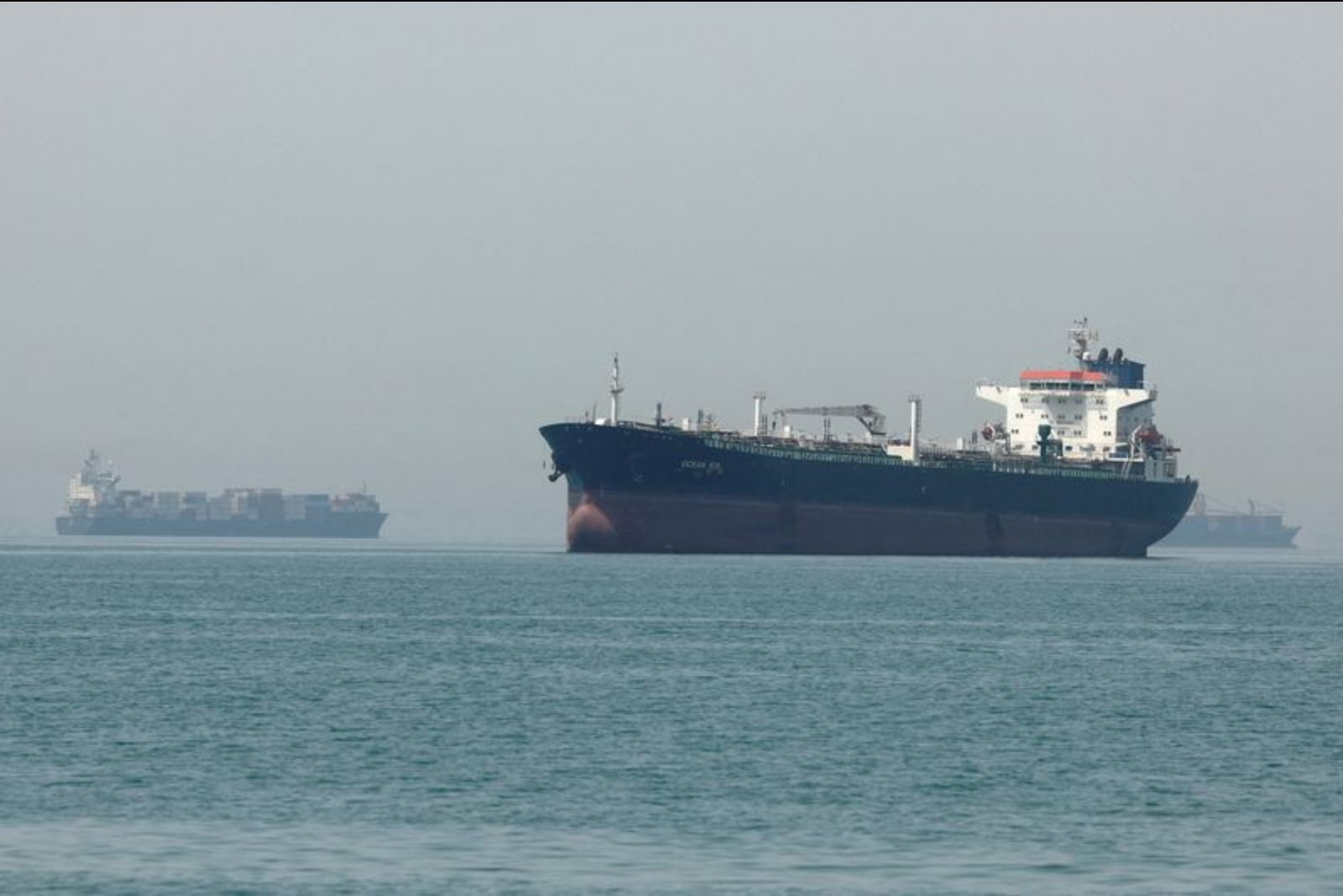
  • Shipping data showed two LNG tankers leaving the Strait of Hormuz and a supertanker carrying Iraqi crude for China departed the Gulf after being stranded for nearly three months, supporting hopes of resumed maritime flows.
  • Traders are pricing a 25-basis-point Federal Reserve rate increase in January 2027, reversing earlier expectations of two rate cuts this year prior to the conflict; inflation and higher-for-longer rate calls persist.

Overview

Growing signs that talks could produce a deal to end the Iran war and reopen the Strait of Hormuz prompted a risk-on move in markets on Monday. Equity benchmarks in Tokyo and Taipei reached record highs, while oil prices and the U.S. dollar moved lower as investors priced in a reduced immediate geopolitical premium.

Market backdrop and political signals

Despite the market rally, doubts remain. U.S. President Donald Trump dampened prospects of a rapid breakthrough, saying he had instructed his representatives not to rush into any deal with Iran even as pressure mounts to reach an agreement. That mixed messaging has left investors unsettled - broadly hopeful that a resolution will come, but uncertain about timing and terms.

Liquidity and trading conditions

Market participants also faced thinner liquidity than usual with public holidays keeping markets in the U.K. and U.S. closed. Traders said the combination of tentative headlines and low turnover could amplify price moves and increase sensitivity to fresh developments.

Shipping developments

Sentiment received further support from shipping data showing two liquefied natural gas tankers exiting the Strait of Hormuz, and from a supertanker carrying Iraqi crude for China that left the Gulf on Saturday after being stranded for nearly three months. Those movements were interpreted as early signs that maritime flows could be resuming.

Energy, inflation and rate outlook

At the same time, analysts cautioned that even if a deal is reached the path back to pre-war oil price levels is unlikely to be immediate. The broader energy supply chain will require time to recover, meaning inflation pressures are unlikely to abate quickly and calls for higher-for-longer interest rates remain.

Reflecting that shift in expectations, traders are now fully pricing in a 25-basis-point increase from the U.S. Federal Reserve in January 2027. That represents a notable reversal from market pricing before the conflict, when two rate cuts this year had been expected.

What to watch

The key development likely to influence markets is progress in U.S.-Iran talks, which market participants will be monitoring closely for signs of tangible agreement or renewed setbacks.


Risks

  • Uncertainty in U.S.-Iran negotiations - market-sensitive sectors include energy, shipping, and commodities.
  • Thin liquidity due to public holidays in the U.K. and U.S. - increases volatility risk for equity and FX markets.
  • Slow recovery of the energy supply chain even after a deal - maintains inflationary pressure and affects rates-sensitive sectors such as financials and consumer goods.

More from Economy

Market Resilience Amidst Sector Shifts: Dow and Russell 2000 Reach New Heights Jun 4, 2026 Australian house price momentum to slow to four-year low as borrowing costs bite Jun 4, 2026 Kevin O’Leary Scales Back Utah Data Center Plan Amid Lawmaker Concerns Jun 4, 2026 Fed's Daly Says AI Could Exert Downward Pressure on Prices Over Several Years Jun 4, 2026 Putin Says Moscow Willing to Make Concessions if Kyiv Reciprocates Jun 4, 2026