
Summary
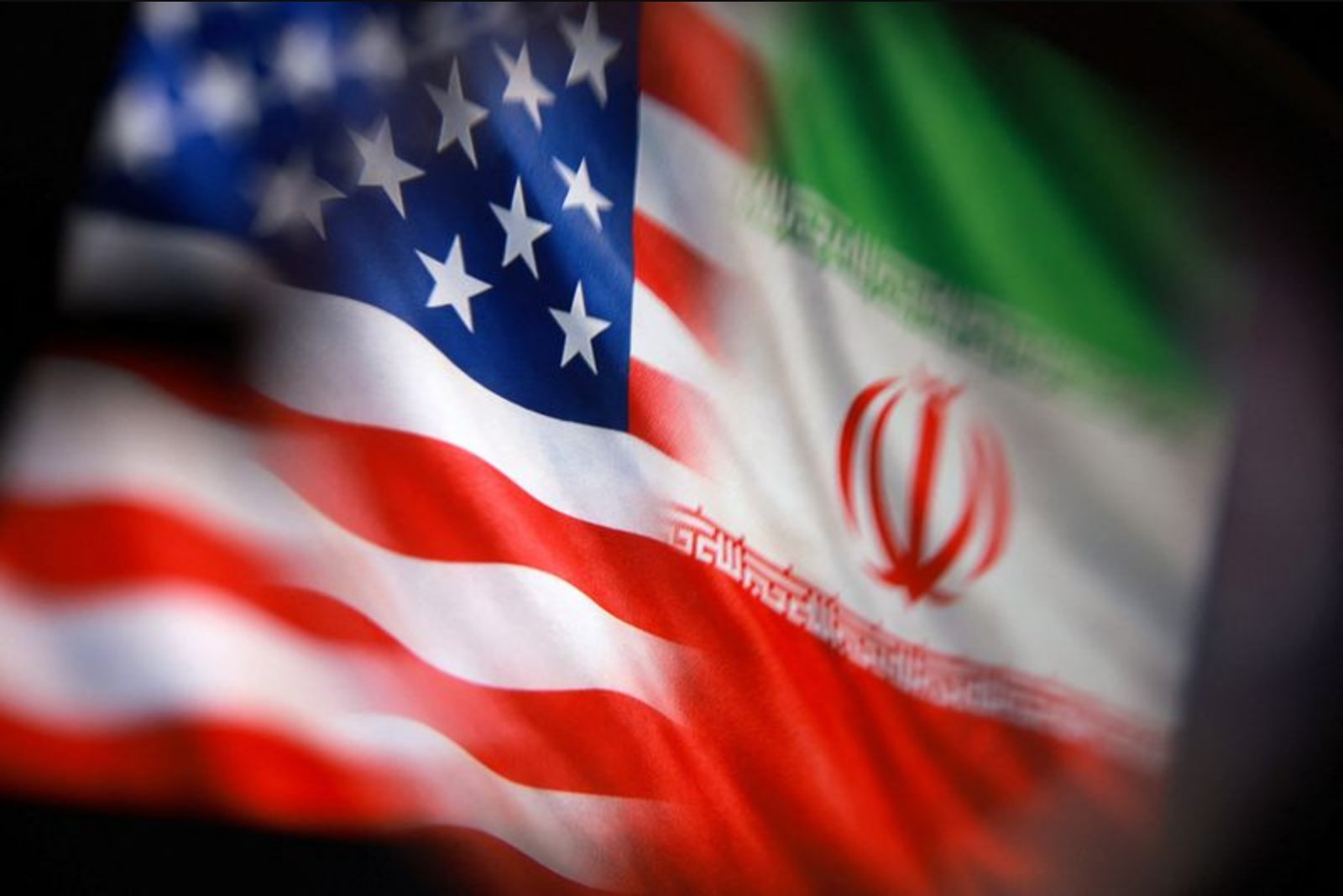
Equity markets and energy prices moved sharply after renewed exchanges between U.S. and Iranian forces, with air raid sirens sounding in Kuwait and the Islamic Revolutionary Guard Corps saying it struck a U.S. airbase. Brent crude spiked and investors sought safer assets, sending the dollar higher and nudging U.S. Treasury yields up. Market futures in Europe opened softer, while a senior European Central Bank official warned the energy shock could leave a lingering imprint on inflation.
Market moves and immediate drivers
Stocks fell across Asia as oil surged and the dollar strengthened following a fresh round of U.S.-Iran attacks. Brent crude rallied 3.7% to $97.79 after Iran’s Islamic Revolutionary Guard Corps said it had attacked a U.S. airbase and warned that any further U.S. strikes would provoke "a more decisive response". The comments and the strikes tightened risk sentiment, sustaining pressure on energy markets and risk assets.
MSCI’s broad index of Asia-Pacific shares outside Japan dropped 1.8%, with South Korea’s KOSPI down 2.7% leading declines. U.S. equity futures signalled softer opens: S&P 500 e-mini futures traded about 0.3% lower and Nasdaq e-mini futures were down roughly 0.7%.
Kuwait reported air raid sirens, and the country’s army said it was intercepting hostile missile and drone threats. Those developments underline how regional security events are affecting nearby states and global shipping lanes, keeping the Strait of Hormuz and related maritime traffic risks elevated.
Safe havens and fixed income
Investors increased allocations to traditional safe havens. The U.S. dollar index rose 0.2% to 99.506 as market participants sought stability. At the same time, the U.S. 10-year Treasury yield climbed 5.1 basis points to 4.53% amid renewed concerns about potential inflationary effects stemming from higher oil prices.
Policy and economic commentary
Philip Lane, the European Central Bank’s chief economist, said in Tokyo that the energy shock produced by the Middle East conflict "will probably have a persistent impact on inflation even if there is a solution to the war." That assessment underscores a policy risk for central banks as they weigh the outlook for inflation and growth while geopolitical tensions affect commodity prices.
Sanctions and regulatory developments
The United States added the Persian Gulf Strait Authority to its Specially Designated Nationals list, the Treasury Department’s website showed. The Persian Gulf Strait Authority is a body Iran created to manage requests for passage through the Strait of Hormuz, and its inclusion on the SDN list represents a new round of Iran-related U.S. sanctions.
European trading open and near-term market calendar
In early European trading, pan-region futures were down about 1.1%, German DAX futures slipped 0.9% and FTSE futures traded roughly 1% lower as investors digested the overnight escalation.
Items that could shape markets later in the day include a slate of corporate earnings from SSE PLC, CD Projekt SA, Costco, Royal Bank of Canada and Dell, France’s producer price data for April and sovereign debt auctions in Germany (15-year and 30-year) and the U.K. (4-year, 7-year and 13-year maturities).
Investor tools mentioned
The article referenced an AI-driven investment tool that evaluates whether to invest $2,000 in DELL. The tool—ProPicks AI—was described as assessing DELL alongside thousands of other companies using more than 100 financial metrics and generating stock ideas based on fundamentals, momentum and valuation. The piece cited past winners identified by the tool, including Super Micro Computer (+185%) and AppLovin (+157%).
Implications by sector
- Energy: Higher oil prices directly affect inflation outlook and energy-sector valuations.
- Financials and sovereign debt: Rising yields and volatility may influence bank performance and government funding costs in upcoming auctions.
- Equities: Risk assets, particularly in Asia, have shown sensitivity to geopolitical developments, with futures indicating further downside pressure in Europe and the U.S.
Conclusion
Renewed U.S.-Iran hostilities have translated into higher oil prices, firmer safe-haven flows and softer equities in Asia, with European futures opening in negative territory. Central bank commentary and new sanctions add to a complex backdrop that could prolong inflationary pressures tied to energy even if diplomatic outcomes change the security picture.