
Markets in Asia and beyond moved higher on AI-driven enthusiasm and hopes that a diplomatic settlement could ease strains on oil shipments. Yet central bank officials cautioned that the inflationary repercussions of recent energy market turmoil are not automatically reversible, leaving policymakers prepared to act if price pressures persist.
Share prices in Japan and South Korea climbed to new highs, supported by a broad technology-led advance that has also helped lift U.S. benchmarks to record levels. That rally is underpinned in large part by market expectations that the United States and Iran will reach a peace agreement to end a three-month confrontation and restore regular traffic through the Strait of Hormuz, a vital corridor for global oil flows.
Those expectations were clouded, however, after U.S. strikes in Iran's southern Hormozgan province, an action Tehran said breached a ceasefire. The market's optimism hinges on a restoration of maritime traffic; but even if Washington and Tehran come to the "Great Deal" envisioned by President Donald Trump, the disruption already inflicted on shipping - with hundreds of vessels idled in the Gulf - is likely to leave a lasting imprint on oil markets and, by extension, consumer price trends.
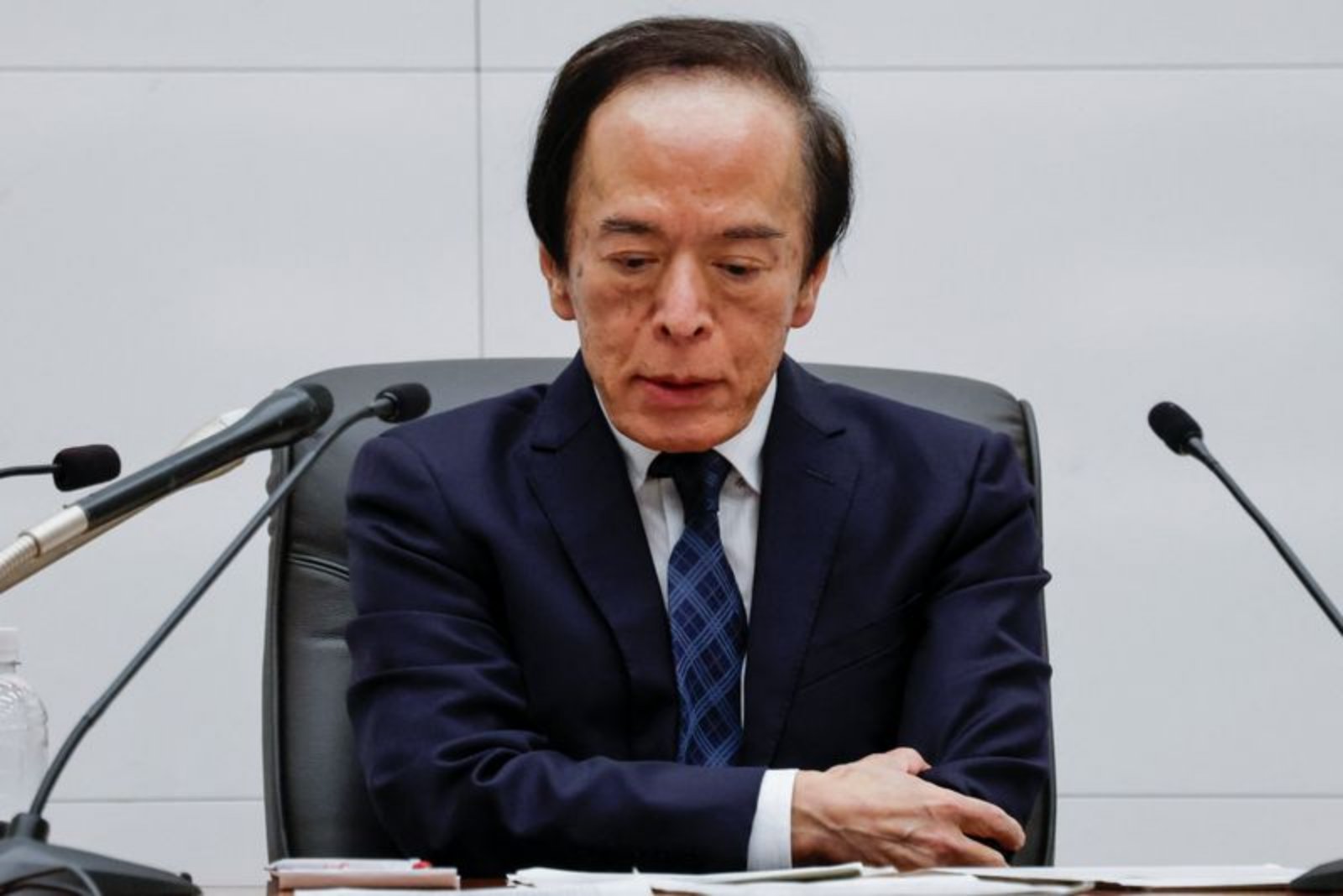
At a meeting of central bankers in Tokyo, Bank of Japan Governor Kazuo Ueda warned that a temporary energy shock can generate enduring effects. His remarks followed comments from European Central Bank board member Isabel Schnabel, who said an interest rate increase in June would be justified even in the event of a peace agreement between the United States and Iran.
Elsewhere, New Zealand's central bank came close to delivering a surprise rate increase, citing persistent inflationary pressures. Rather than raise rates immediately, officials warned that future meetings could require larger-than-anticipated hikes to bring inflation back under control.
The market action and policymaker commentary were reflected across a range of indicators and individual securities:
US500+0.61% JP225+0.64% NVDA-0.22% BBWI-0.17% ANF-3.21% LCO-1.68% ESM26+0.04% CL-2.00% BMO-0.4% NA-0.46% DKS+0.82% KS11+3.9% STXXc10.00% 005930+5.02% FDXMc1+0.14% LXZc10.00%
Oil prices remain elevated, hovering near $100 per barrel, while the Northern Hemisphere moves into higher temperatures as summer approaches - a dynamic that can intensify energy demand. Technology names provided offsetting momentum: Samsung Electronics workers ratified a deal that averted a strike threatening semiconductor supply, and Nvidia's chief executive Jensen Huang said the company would increase its annual investment in Taiwan to $150 billion.
Trading volumes were modest as markets awaited more substantial economic data and corporate reports. In early European trade, pan-regional Euro Stoxx 50 futures rose 0.16%, German DAX futures were up 0.06%, and FTSE futures slipped 0.25%. U.S. S&P 500 e-mini futures were essentially flat in early trading.
Key events and data for the day that could sway markets included corporate earnings and regional economic indicators:
- Earnings: Bank of Montreal, National Bank of Canada, DICK'S Sporting Goods, Abercrombie & Fitch, Bath & Body Works
- Europe economic releases: Consumer confidence for May in France and Greece; Swiss investor sentiment for May
- Speakers: Federal Reserve Bank of Dallas President Lorie Logan participating in a panel in Tokyo
- Debt sales: France - reopening of 3-month, 6-month and 1-year government debt auctions; Germany - reopening of 15-year government debt auction; United Kingdom - reopening of 7-year government debt auction
Market participants also continue to watch company-level developments that could influence supply chains and capital allocation. The avoidance of a Samsung strike reduces a near-term risk to chip output, while Nvidia's planned investment increase in Taiwan underscores the sector's capital intensity and geographic concentration.
The day ahead looks relatively light on fresh macro releases in Europe and North America, leaving central bank commentary and corporate earnings to play outsized roles in directing market sentiment.
Summary: Global equity markets rose on AI optimism and hopes of a U.S.-Iran peace deal that would reopen the Strait of Hormuz, but central bankers warned energy shocks can have persistent inflationary effects. Japan and South Korea set records, technology companies provided support, and officials from the Bank of Japan and the European Central Bank signaled the potential need for further rate increases.
Key points:
- Equity markets in Japan and South Korea reached new highs while U.S. benchmarks also traded at record levels amid AI optimism and hopes for a diplomatic resolution in the Gulf.
- Central bank officials cautioned that a temporary energy shock can produce lasting inflationary effects, with some policymakers advocating for further rate action.
- Corporate and market developments - including averted production disruption at Samsung and Nvidia's planned $150 billion annual investment in Taiwan - are supporting the tech-led rally, even as oil trades near $100 per barrel.
Risks and uncertainties:
- Renewed conflict or further U.S.-Iran military actions could reverse recent market gains and sustain pressure on oil prices, affecting energy and consumer goods sectors.
- Persistent inflation stemming from the earlier energy shock may force central banks to raise rates further, impacting interest-sensitive sectors such as housing and consumer discretionary.
- Supply-chain shocks tied to geopolitical tensions or labor disputes - though averted in the case of Samsung - remain a concern for semiconductor and broader technology supply chains.