
Economy June 2, 2026 12:20 PM

Lula Embraces China After U.S. Floats 25% Tariff on Brazilian Goods

Brazilian president points to Beijing's recognition of FMD-free status as trade tensions surface amid stalled negotiations

By Hana Yamamoto

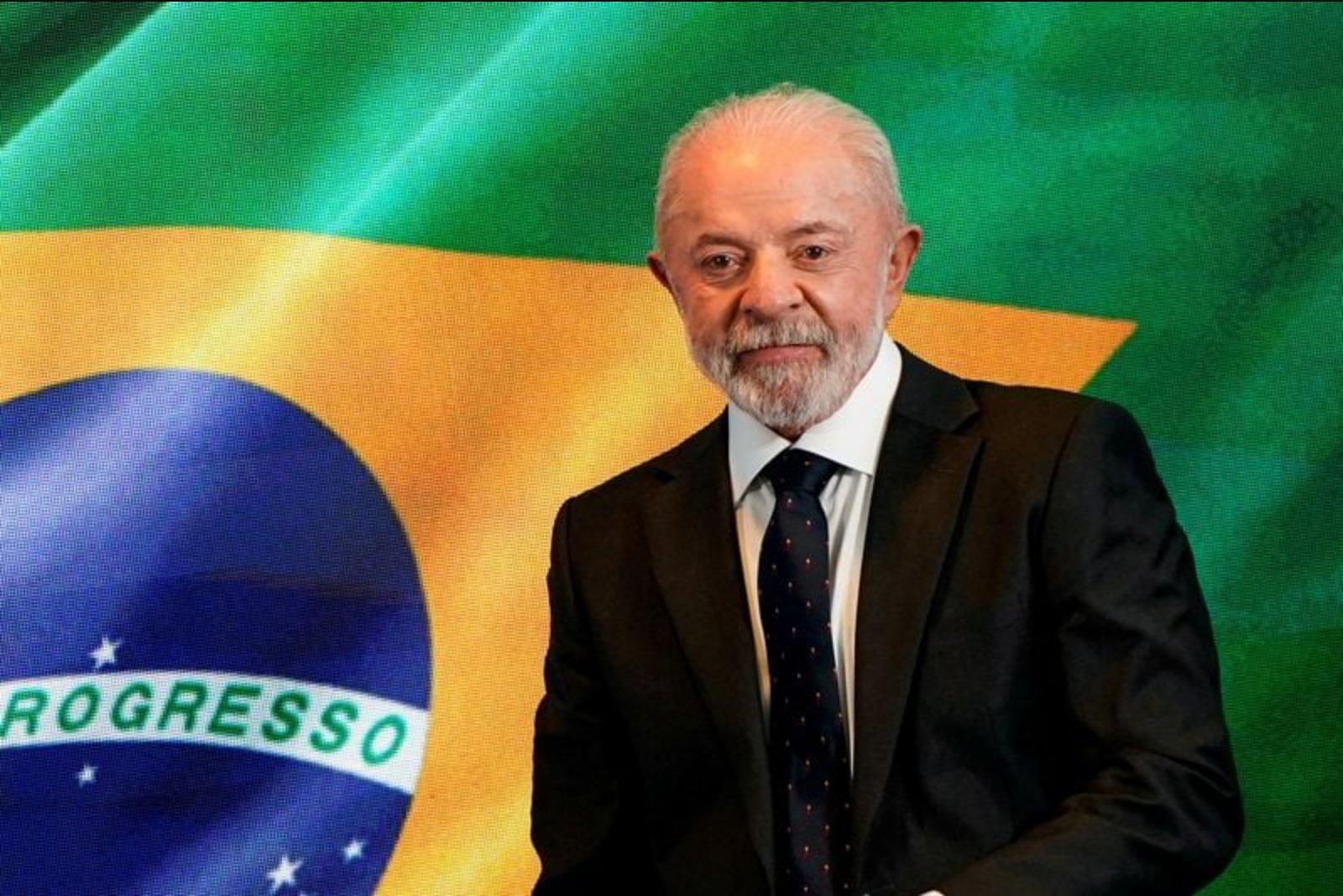
President Luiz Inacio Lula da Silva publicly referenced Brazil's commercial ties with China after Washington proposed a 25% punitive tariff on many Brazilian imports. Lula highlighted China’s recognition of Brazil as free from foot-and-mouth disease and criticized U.S. officials and a Brazilian senator he says lobbied for the tariff measure. Trade talks between U.S. and Brazilian negotiators, held three times recently, have so far failed to produce an agreement.

Lula Embraces China After U.S. Floats 25% Tariff on Brazilian Goods

Key Points

  • U.S. proposed a 25% punitive tariff on many imports from Brazil, prompting public comment from Brazil's president.
  • China recognized Brazil as free of foot-and-mouth disease earlier the same day, a development President Lula cited as a counterpoint to the U.S. move.
  • Trade talks between U.S. and Brazilian negotiators have met three times recently but have not produced a deal; sectors implicated include exporters such as agriculture and broader trade-linked industries.

SAO PAULO, June 2 - Brazilian President Luiz Inacio Lula da Silva used public remarks on Tuesday to underscore his country's commercial relationship with China in the wake of a U.S. proposal that would impose a 25% punitive tariff on many imports from Brazil.

At an event in Goias state, Lula drew attention to a development earlier that day in which China formally recognized Brazil as free of foot-and-mouth disease, framing that decision as a counterpoint to the tariff proposal from the United States. The president emphasized Brazil’s alternative markets with a pointed remark: "If you don’t want to buy from me, I will sell to someone else."

Lula said he first learned of the U.S. tariff proposal during ongoing trade discussions. He noted that trade negotiators from the United States and Brazil had met three times in recent weeks but had been unable to finalize a deal.

The president assigned blame for the U.S. proposal to Brazilian Senator Flavio Bolsonaro, accusing the right-wing presidential hopeful of lobbying Washington to seek tariffs targeting Brazilian exporters. Lula also leveled criticism at "U.S. Secretary of State Marco Rubio," saying the U.S. official is anti-Latin America and does not like Brazil.

Separately, the article notes that Senator Bolsonaro said earlier on Tuesday he had urged Trump not to impose tariffs on Brazilian companies, a statement that sits alongside Lula’s accusation that the senator had lobbied for the opposite outcome.

The U.S. embassy in Brazil was contacted for comment but did not immediately respond.


These developments came as trade negotiations between the two countries continued without resolution. Lula’s public remarks stressed alternatives for Brazilian exporters while also calling attention to diplomatic gestures from China, which recognized Brazil’s animal health status earlier in the day.

Readouts of the trade meetings were not included in the remarks reported here; the exchanges between negotiators have been described as occurring three times in recent weeks but without an agreement being reached.

The exchange of statements among Brazil’s president, a prominent senator, and U.S. officials underscores persistent uncertainty around trade relations, diplomatic responses, and the negotiating process.

Risks

  • Stalled trade negotiations - U.S. and Brazilian negotiators met three times recently without reaching an agreement, creating uncertainty for exporters and trade-dependent sectors.
  • Political lobbying and mixed messages - President Lula accused Senator Flavio Bolsonaro of lobbying Washington for tariffs while the senator said he urged against tariffs, introducing political uncertainty that could affect trade policy.
  • Diplomatic ambiguity - The U.S. embassy did not immediately respond to requests for comment, leaving open questions about the U.S. administration's next steps and the potential impacts on markets tied to Brazilian exports.

More from Economy

Japanese Real Wages Rise for Fourth Straight Month, Strengthening Case for Monetary Tightening Jun 4, 2026 Market Resilience Amidst Sector Shifts: Dow and Russell 2000 Reach New Heights Jun 4, 2026 Australian house price momentum to slow to four-year low as borrowing costs bite Jun 4, 2026 Kevin O’Leary Scales Back Utah Data Center Plan Amid Lawmaker Concerns Jun 4, 2026 Fed's Daly Says AI Could Exert Downward Pressure on Prices Over Several Years Jun 4, 2026