
Economy June 4, 2026 03:45 PM

Kevin O’Leary Scales Back Utah Data Center Plan Amid Lawmaker Concerns

Proposed 40,000-acre Stratos development pared down; commitments made on water, open space and environmental reviews

By Leila Farooq

Venture capitalist Kevin O’Leary has agreed to dramatically shrink his proposed Stratos data center development in Utah after pressure from state lawmakers. The plan's revisions include significant land set-asides, water commitments to the Great Salt Lake, and independent reviews of environmental and infrastructure impacts, while the project remains in preliminary stages with no permits filed.

Kevin O’Leary Scales Back Utah Data Center Plan Amid Lawmaker Concerns

Key Points

  • O’Leary agreed to scale back the 40,000-acre Stratos data center project after pressure from Utah lawmakers; the developer pledged in a Thursday letter to cut the proposal in half and earlier reports noted a 75% reduction demand - sectors affected include real estate, energy utilities and technology infrastructure.
  • The revised plan includes dedicating new water to the Great Salt Lake and setting aside thousands of acres for open space, wildlife protections and continued agricultural use under an agreement with the Utah Department of Natural Resources - this impacts water resources and environmental management sectors.
  • O’Leary committed to heat-capture technology and independent scientific and engineering reviews of environmental impacts, water use, infrastructure demands and long-term sustainability; the project still requires a full permitting and environmental review process before any approvals are issued.

Summary

Kevin O’Leary has agreed to reduce the scale of a proposed Utah data center project after state lawmakers raised concerns about water consumption and environmental impacts. The Stratos development, originally described as a 40,000-acre proposal, will be substantially scaled back and retooled with new environmental commitments, though the plan is still at an early stage with no approvals or permits submitted.


Project downsizing and land use

In a letter dated Thursday to Utah Senate President J. Stuart Adams, O’Leary pledged to cut the 40,000-acre Stratos development in half. Earlier reports noted an agreement to reduce the project by 75% following demands from legislators worried about the proposal’s effects. Much of the land retained after the revisions is intended to be left as open space.

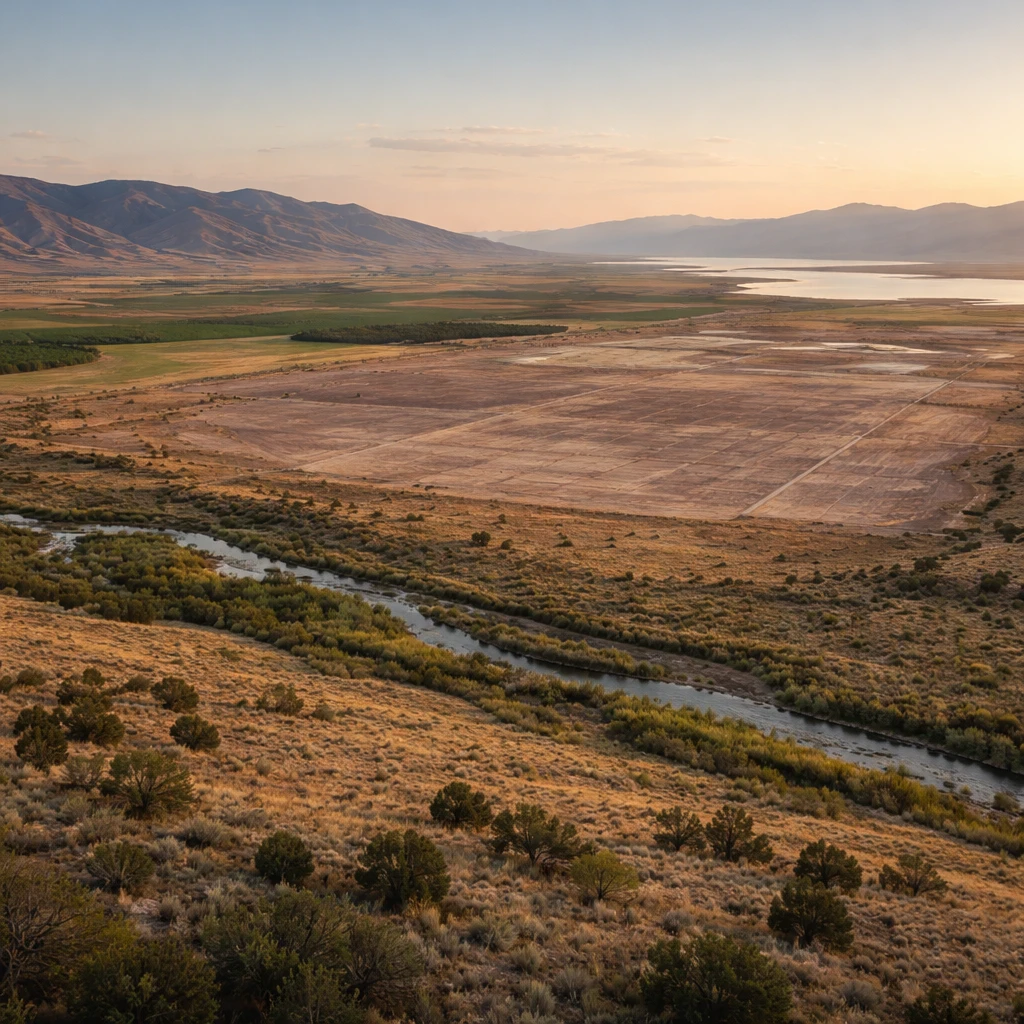
The original Stratos footprint was described as nearly three times the size of Manhattan. Under the newly outlined changes, thousands of acres will be designated for open space, wildlife protections and continued agricultural use through an arrangement with the Utah Department of Natural Resources.


Water and environmental commitments

Among the concessions, O’Leary committed to dedicating new water to the Great Salt Lake. He also agreed to deploy heat-capture technology and to submit the project to independent scientific and engineering reviews focused on environmental impacts, water use, infrastructure demands and long-term sustainability.


Regulatory status and public access

Adams emphasized that the proposal remains in its earliest stages and that no approvals or permits have been applied for or issued. The development must still proceed through a full permitting and environmental review process. To enhance transparency, a centralized public-facing website will be created in coordination with state agencies so Utah residents can access project information, review materials, environmental analyses and updates.


Context

The concessions are part of a broader wave of scrutiny surrounding AI infrastructure buildout. In his letter, O’Leary said many environmental concerns had been overstated.

Risks

  • Regulatory and permitting uncertainty - the proposal remains in early stages with no permits filed, which could delay or alter development timelines and affect construction and technology deployment sectors.
  • Environmental and water-use scrutiny - ongoing concerns about water allocation for the project and impacts to the Great Salt Lake may lead to additional constraints or requirements, influencing utilities, agriculture and local ecosystem management.
  • Public and political pushback on AI infrastructure buildout - the concessions reflect resistance that could shape future proposals for large-scale data centers and related investments in the technology and real estate sectors.

More from Economy

Market Resilience Amidst Sector Shifts: Dow and Russell 2000 Reach New Heights Jun 4, 2026 Australian house price momentum to slow to four-year low as borrowing costs bite Jun 4, 2026 Fed's Daly Says AI Could Exert Downward Pressure on Prices Over Several Years Jun 4, 2026 Putin Says Moscow Willing to Make Concessions if Kyiv Reciprocates Jun 4, 2026 Putin Says Moscow and Beijing Near New Energy Deals, Offers Few Details Jun 4, 2026