
Economy May 21, 2026 09:07 PM

Japan Signals Caution on Debt Levels for Proposed Supplementary Budget

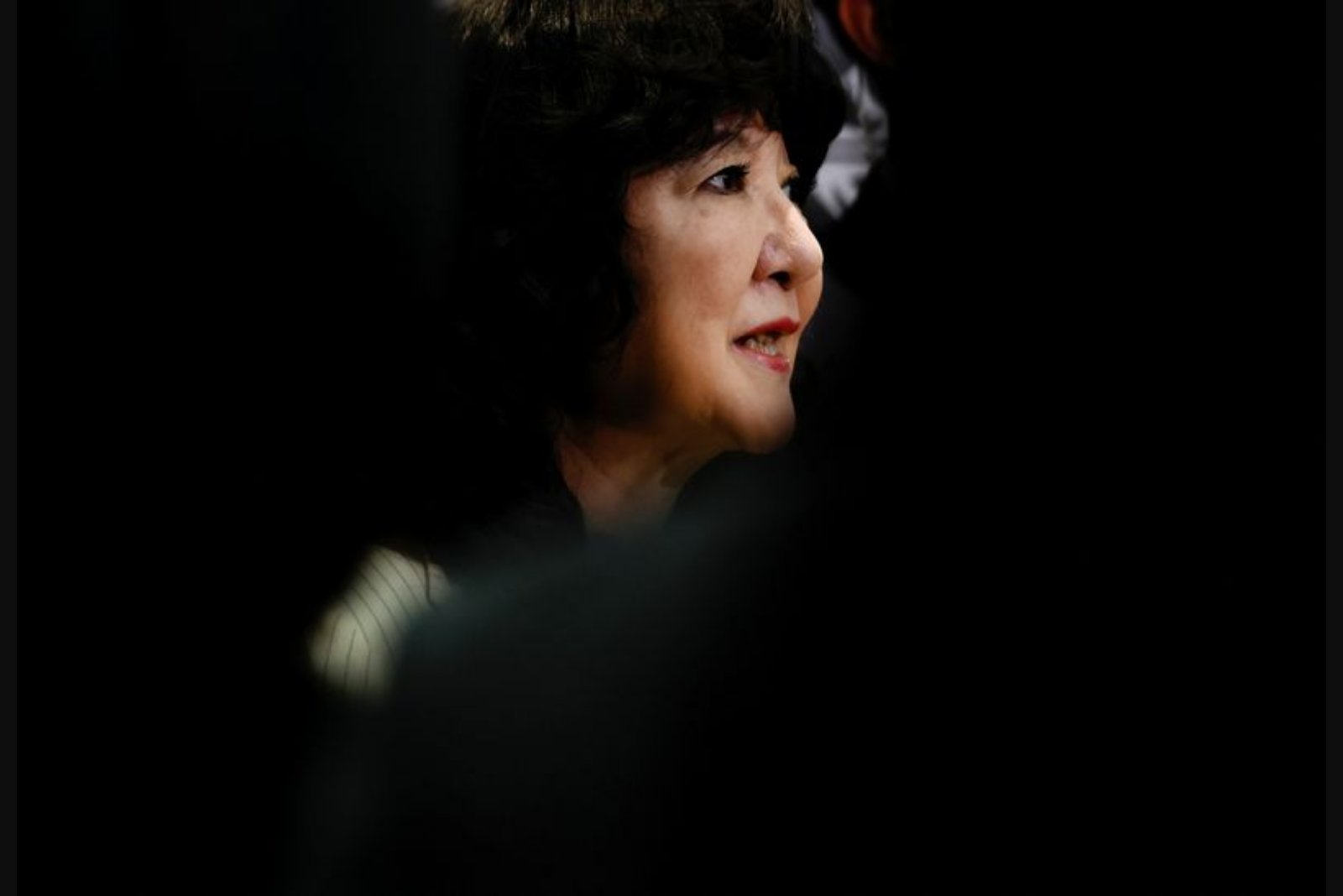
Finance Minister Satsuki Katayama states the government aims to limit deficit-covering bond issuance while addressing economic pressures from rising costs.

By Nina Shah

Japanese Finance Minister Satsuki Katayama indicated on Friday that the government intends to prioritize fiscal restraint by avoiding an excessive dependence on new debt if a supplementary budget is implemented. This stance comes following instructions from Prime Minister Sanae Takaichi, who recently directed her cabinet to evaluate the necessity of an extra budget designed to mitigate economic hardships resulting from cost spikes linked to the conflict in Iran.While domestic media reports suggest the supplementary budget for the current fiscal year could reach approximately 3 trillion yen (roughly $18.9 billion), Katayama remained cautious regarding specific figures. She noted that while she would refrain from detailing the exact scale of the budget, the amount is expected to be in the general vicinity of recent discussions. The Prime Minister is anticipated to provide more comprehensive details on the matter this coming Monday.

Japan Signals Caution on Debt Levels for Proposed Supplementary Budget

Key Points

  • <li><strong>Fiscal Restraint:</strong> The Japanese government aims to limit the use of deficit-covering bonds when constructing any potential supplementary budget.</li>
  • <li><strong>Economic Relief Target:</strong> The proposed extra budget is intended to mitigate economic damage caused by cost increases related to the Iran war and rising inflation.</li>
  • <li><strong>Market Communication:</strong> A key part of the government's risk management strategy involves maintaining steady dialogue with financial markets during these fiscal shifts.</li>

The Japanese government is signaling a cautious approach to fiscal expansion as it considers measures to address economic volatility. Finance Minister Satsuki Katayama stated on Friday that should the administration move forward with a supplementary budget, there will be a concerted effort to avoid over-reliance on the issuance of new debt to cover deficits.

This directive follows a request from Prime Minister Sanae Takaichi on Monday for her cabinet to explore a supplementary budget. The objective of such a fund would be to provide relief against the economic impact caused by a surge in costs stemming from the war in Iran. According to reports within domestic media, the potential size of this fiscal measure for the current year could be near 3 trillion yen, which translates to approximately $18.9 billion based on an exchange rate of 159.0600 yen per dollar.

During a press conference, Katayama addressed the complexities of managing these economic shifts. While she declined to provide an exact figure for the extra budget, noting that Prime Minister Takaichi would likely offer more specific details on Monday, she suggested the scale is roughly consistent with what has been reported in the media.

A central component of the government's strategy involves risk mitigation. Katayama confirmed she has received instructions from the Prime Minister to minimize potential risks associated with implementing steps to alleviate economic pain caused by rising inflation. This approach to risk management includes maintaining an active and constructive dialogue with financial markets.

"As the prime minister has said, we will seek ways to avoid as much as possible relying on issuance of deficit-covering bonds," Katayama told attendees at the press conference. The administration's goal appears to be balancing the need for economic cushioning with a desire to maintain fiscal stability and market confidence.

Risks

  • <li><strong>Inflationary Pressures:</strong> The need for a supplementary budget is driven by rising inflation and cost spikes, which impact overall economic stability.</li>
  • <li><strong>Debt Management Uncertainty:</strong> While the government seeks to avoid over-reliance on debt, the exact scale of the 3 trillion yen proposed budget remains subject to further clarification from the Prime Minister.</li>

More from Economy

Australian house price momentum to slow to four-year low as borrowing costs bite Jun 4, 2026 Kevin O’Leary Scales Back Utah Data Center Plan Amid Lawmaker Concerns Jun 4, 2026 Fed's Daly Says AI Could Exert Downward Pressure on Prices Over Several Years Jun 4, 2026 Putin Says Moscow Willing to Make Concessions if Kyiv Reciprocates Jun 4, 2026 Putin Says Moscow and Beijing Near New Energy Deals, Offers Few Details Jun 4, 2026