
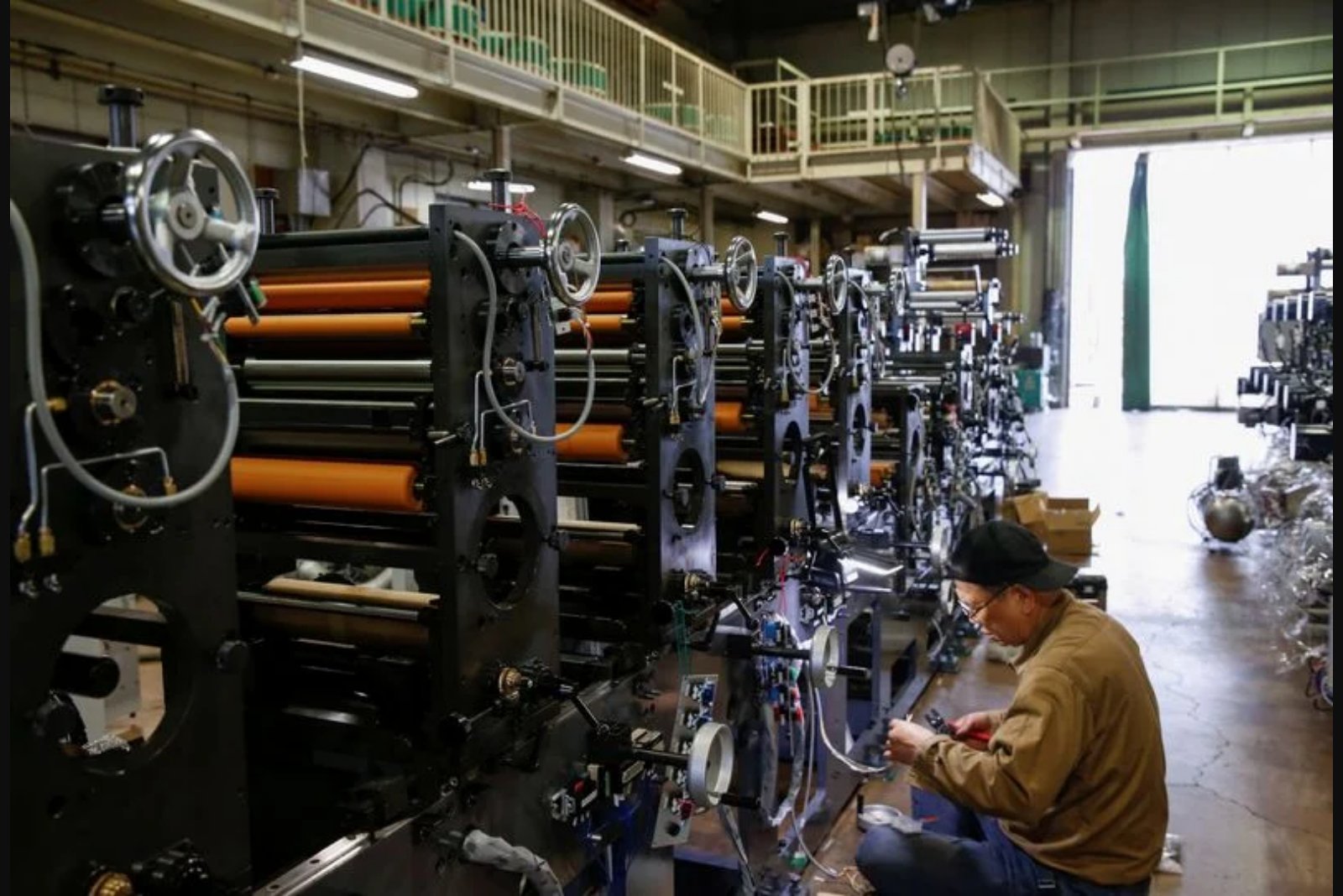
The latest figures from the Ministry of Finance indicate that Japan's capital spending grew by a marginal 0.047% on a year-on-year basis during the first quarter. This represents a sharp departure from the previous quarter, which had seen a substantial 6.5% increase in investment. On a seasonally adjusted quarterly basis, the data shows a contraction of 2%.
A government official noted that the momentum observed in earlier periods, which was largely fueled by significant spending within AI-related sectors, has begun to wane. While preliminary indicators from last month suggested a faster-than-expected annualized economic growth rate of 2.1% for the first quarter of 2026 - bolstered by strong consumption and export performance - the current stagnation in capex suggests that this momentum may face significant challenges in the current quarter.
Key Economic Indicators and Sector Impacts
Despite the lull in capital investment, other corporate metrics showed positive movement during the first quarter:
- Corporate Sales: Increased by 1.1% compared to the same period last year.
- Recurring Profits: Rose significantly by 14.6% year-on-year.
Capital expenditure serves as a vital metric for measuring domestic demand-led economic expansion. In recent years, business spending has remained resilient, primarily driven by the need for corporations to invest in order to mitigate the effects of a persistent labor shortage caused by Japan's aging population. Furthermore, as Japan moves away from deflation, there is a notable shift in corporate strategy; companies are beginning to utilize large cash reserves that were previously held back, redirecting them toward business expansion and new investments.
The government under Prime Minister Sanae Takaichi is actively working to accelerate this investment cycle. Strategic initiatives include the provision of tax credits for capital investments and a commitment to higher levels of public spending in critical industries such as shipbuilding and semiconductors. Additionally, updates to the corporate governance code are underway to encourage firms to deploy idle cash on their balance sheets toward productive growth rather than leaving it unutilized. The long-term objective is for Japan to reach an annual corporate capital expenditure level of 200 trillion yen by the year 2040.
Risks and Market Uncertainties
The recent data highlights several specific risks that could impact various sectors of the Japanese economy:
- Geopolitical Volatility: Concerns regarding the conflict in the Middle East, specifically involving Iran, are weighing on business confidence. This instability threatens to drive up energy costs and cause disruptions to global supply chains, which could stifle investment demand across multiple industries.
- Growth Deceleration: The transition from high-growth periods in specific sectors, like AI, to a period of flat capex poses a risk to the broader momentum of Japan's domestic demand-led growth.