
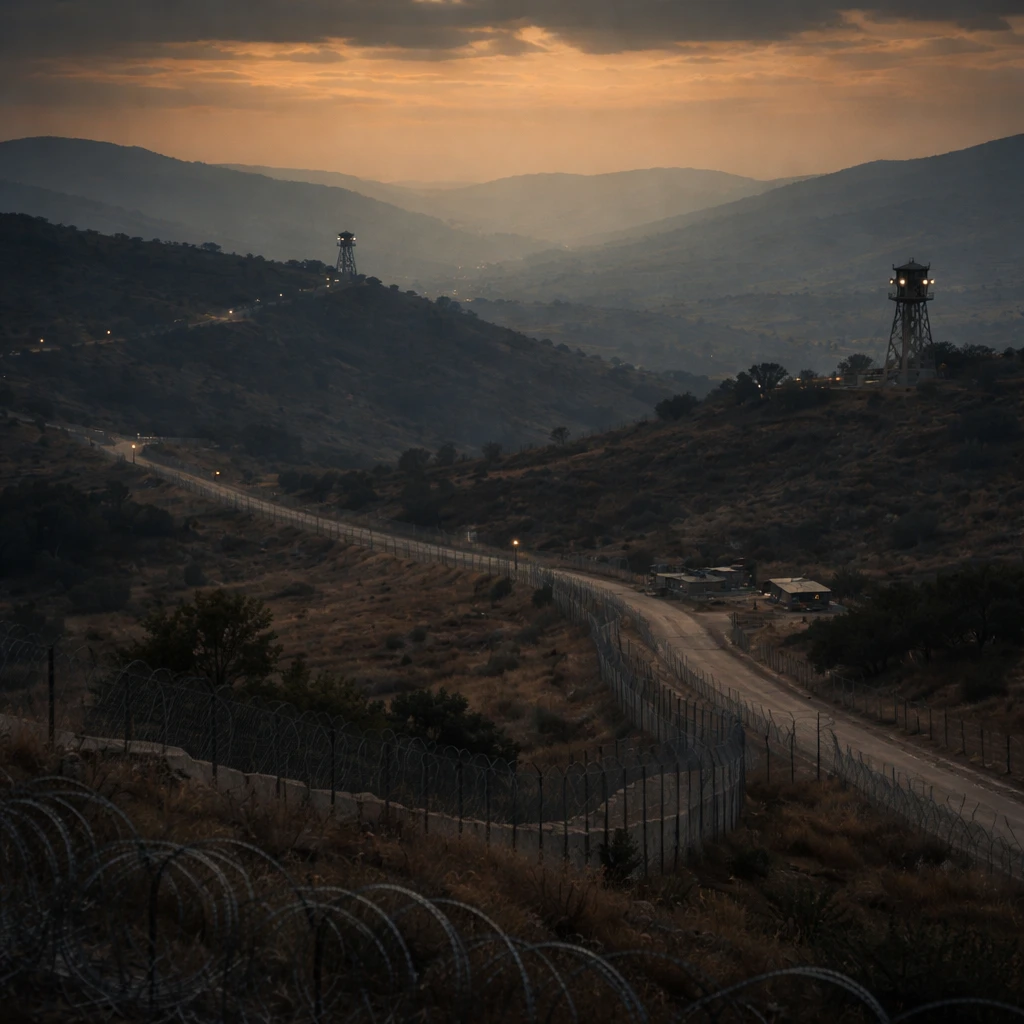
In a significant development for Middle East geopolitics, the United States announced on Wednesday evening that Israel and Lebanon have entered into an agreement to implement a ceasefire. This decision comes after the conclusion of a fourth round of trilateral discussions involving the U.S. Department of State and representatives from both nations.
The implementation of this ceasefire is not unconditional. According to the joint statement, the agreement's success is dependent on Hezbollah winding down its hostilities and completing an exit from South Lebanon. This dependency highlights a critical juncture in the ongoing conflict between the two nations and the paramilitary group.
Key Developments and Market Context
- Trilateral Negotiation Progress: The agreement is the result of four rounds of discussions aimed at addressing the escalating conflict between Israel and Lebanon.
- Conditional Terms for Hezbollah: A central pillar of the deal is the requirement for Hezbollah to cease all hostilities and withdraw its presence from South Lebanon.
- Previous Failed Frameworks: While a ceasefire was previously established in April and extended through May, those measures did not prevent continued violence, characterized by Israeli strikes and subsequent retaliatory actions by Hezbollah.
Sector Impact: The volatility surrounding these negotiations can influence global energy markets and regional stability, which may impact capital allocation in sectors sensitive to geopolitical risk, such as defense and international finance.
Risks and Uncertainties
- Hezbollah Compliance: The most immediate uncertainty is whether Hezbollah will adhere to the terms of winding down hostilities and exiting South Lebanon.
- Iranian Position: Iran has explicitly stated that it will not endorse any peace agreements involving the U.S. and Israel unless a ceasefire also encompasses Lebanon.
- Regional Escalation: This deal emerges during a period of heightened military tension, following recent air strikes exchanged between the U.S. and Iran, and amid uncertainty regarding whether indirect peace negotiations between the U.S. and Iran are continuing or have stalled.
Sector Impact: Failure to implement the ceasefire could lead to renewed military activity, potentially impacting market sentiment across broader international indices and increasing risk premiums in emerging markets.