
Iran's Foreign Ministry said it has received the latest "U.S. views" on a potential settlement and is examining them, state media reported. Officials added that indirect discussions with the United States - conducted through Pakistan - were continuing.
The announcement came after President Donald Trump said earlier this week that he had postponed a proposed military operation against Iran and indicated that negotiations with Tehran were moving along. The president said he was prepared to wait "a few days" for a deal while also cautioning that the United States could return to military measures if talks did not produce an agreement.
Trump described the conflict as being in its "final stages," and reiterated U.S. opposition to Iran acquiring a nuclear weapon, saying the country's nuclear activities remained a central dispute in the negotiations.
Meanwhile, Tehran had warned earlier in the week against further U.S. strikes, asserting that any escalation would cause the regional war to "extend beyond the region." That statement underscored the prospect of broader consequences should hostilities resume.
Despite the recent diplomatic movement and a ceasefire that has shown signs of holding, progress in talks to end the war has been limited over the past six weeks. Observers note that momentum toward a resolution has been sparse even as the ceasefire remains tenuous.
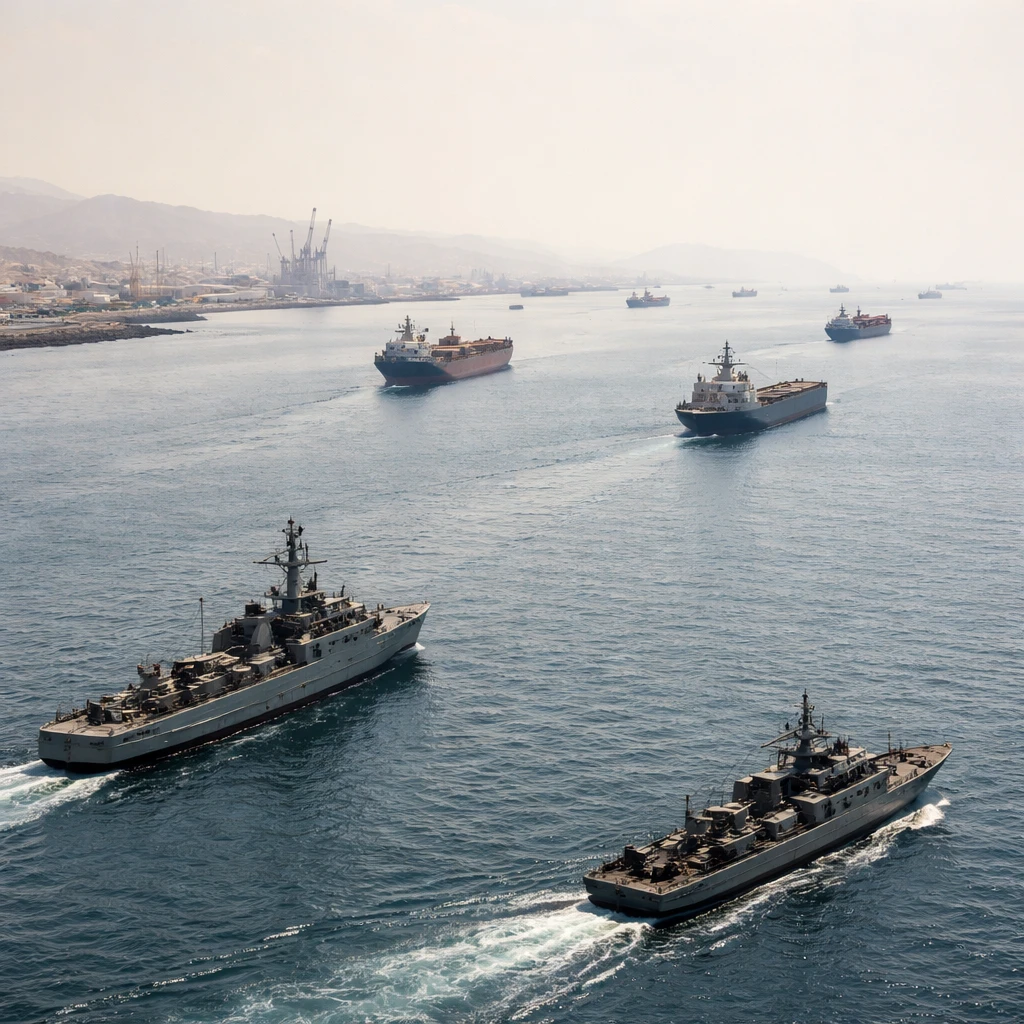
Commercial passage through the Strait of Hormuz - a principal maritime chokepoint cited repeatedly in the conflict - continues to operate at a fraction of pre-war traffic levels. Iran has been reported as preparing measures to impose tolls for passage through the channel, an idea it has promoted in its peace proposals.
Context and implications
- Diplomatic engagement is ongoing, with Iran formally reviewing the most recent U.S. position presented through intermediary channels.
- The U.S. president has delayed a planned military operation while keeping the option of renewed force on the table if negotiations falter.
- Trade through the Strait of Hormuz remains depressed compared with levels before the conflict, and Tehran has included transit tolls in its peace concept.
The situation remains fluid, with official statements emphasizing review and negotiation rather than any final agreement. The combination of continued diplomatic contacts, public warnings from both capitals, and constrained maritime traffic points to a delicate balance between diplomacy and the threat of renewed hostilities.