
Economy July 6, 2026 10:24 PM

Iran Resumes Missile Strikes on Shipping in Strait of Hormuz

Violations of recent de-escalation agreement threaten global energy transit routes and heighten market volatility.

By Marcus Reed
Share
Twitter Reddit Facebook LinkedIn

Iranian forces launched at least two missiles targeting commercial vessels in the Strait of Hormuz on Monday night, marking a sharp escalation that concludes a week-long pause in hostilities. The strikes hit two ships with significant damage but no loss of life, occurring immediately after the expiration of a U.S.-Iran memorandum of understanding intended to suspend such attacks. This development undermines recent diplomatic efforts, including indirect talks in Doha, and raises the prospect of imminent military retaliation from the United States, creating renewed uncertainty for global energy markets and maritime logistics networks.

Iran Resumes Missile Strikes on Shipping in Strait of Hormuz
Summarize with
ChatGPT Perplexity Claude Grok Gemini

Key Points

  • Iranian forces struck two commercial vessels with missiles in the Strait of Hormuz on Monday night, causing significant damage but no casualties, ending a week-long pause in hostilities.
  • The attacks occurred immediately after the expiration of a U.S.-Iran memorandum of understanding signed less than three weeks ago, undermining recent diplomatic efforts including indirect talks in Doha.
  • The United States is expected to retaliate with strikes against Iranian targets, raising the risk of further military escalation that could severely disrupt global energy transit and maritime logistics.

Iranian military forces have resumed offensive operations in the Strait of Hormuz, targeting commercial maritime traffic and effectively terminating a temporary period of calm. On Monday night, Iranian operatives fired at least two missiles at commercial vessels navigating the strategic waterway, according to reports citing two U.S. officials. This action concludes a week-long suspension of attacks that had been established under a mutual understanding between Washington and Tehran, as detailed by Axios on Tuesday.


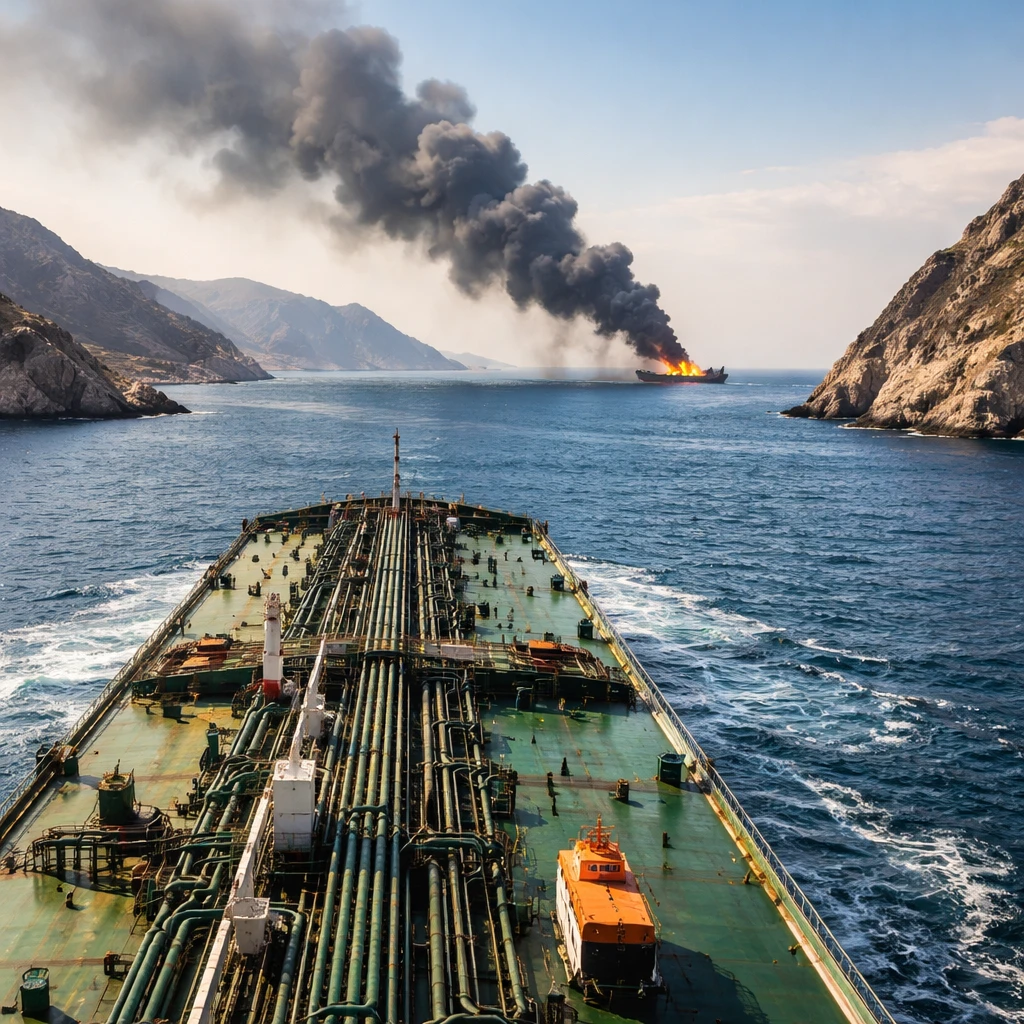
The strikes resulted in significant structural damage to two commercial ships transiting the region. While the impact was severe for the vessels involved, there were no reported casualties among the crews. The incident was preceded by a report from the U.K. Maritime Trade Operations agency earlier on Monday. A tanker traveling south near the Omani coast transmitted a distress signal after being struck by an unidentified projectile, which subsequently ignited a fire aboard the vessel.


The resumption of hostilities carries significant weight as it coincides with the expiration of a one-week agreement designed to suspend attacks in this critical chokepoint. This development places a memorandum of understanding, signed less than three weeks ago, at immediate risk of unraveling. Diplomatic channels had attempted to stabilize the region, with a round of indirect talks between the United States and Iran concluding in Doha last week. These negotiations failed to yield substantial progress regarding security assurances for the Strait of Hormuz.


The breach of the temporary truce introduces fresh volatility into the energy and shipping sectors. The Strait of Hormuz remains a vital artery for global oil and liquefied natural gas transit; any disruption to traffic through this corridor directly influences freight costs and insurance premiums for commercial operators. The likelihood of retaliatory strikes from the United States against Iranian targets further complicates the outlook, as military escalation could lead to broader operational suspensions in the region.


Market participants are now reassessing supply chain risks. The potential for renewed conflict threatens to disrupt just-in-time delivery models and increase inventory holding costs for commodities dependent on maritime transport. Shipping lines may be forced to reroute vessels, extending transit times and increasing fuel expenditures. The uncertainty surrounding the durability of the de-escalation agreement means that operators must prepare for potential spikes in spot rates and insurance costs as the situation evolves.

Risks

  • The collapse of the temporary truce and the failure of indirect talks in Doha create a high probability of imminent U.S. military retaliation, which could lead to a broader regional conflict and total disruption of shipping lanes.
  • The uncertainty surrounding the durability of the de-escalation agreement introduces volatility for energy markets, potentially driving up oil and LNG prices due to fears of supply chain interruptions through the Strait of Hormuz.
  • Shipping operators face increased financial risk from higher insurance premiums, potential cargo damage, and the need to reroute vessels, which impacts freight cost modeling and supply chain efficiency for global trade.

More from Economy

Australian Equities Hold Steady Amid Mixed Sector Performance Jul 6, 2026 China Diverges from Global Markets, Offering Portfolio Diversification Jul 6, 2026 Japan Real Wages Extend Gains to Fifth Month Amid Inflationary Pressures Jul 6, 2026 Analysis: China’s Gig Economy Growth Obscures Deep Job Market Weakness and Strains Social Safety Nets Jul 6, 2026 Wall Street Closes Higher as Semiconductor Rally Offsets Oil Decline Jul 6, 2026