
Overview
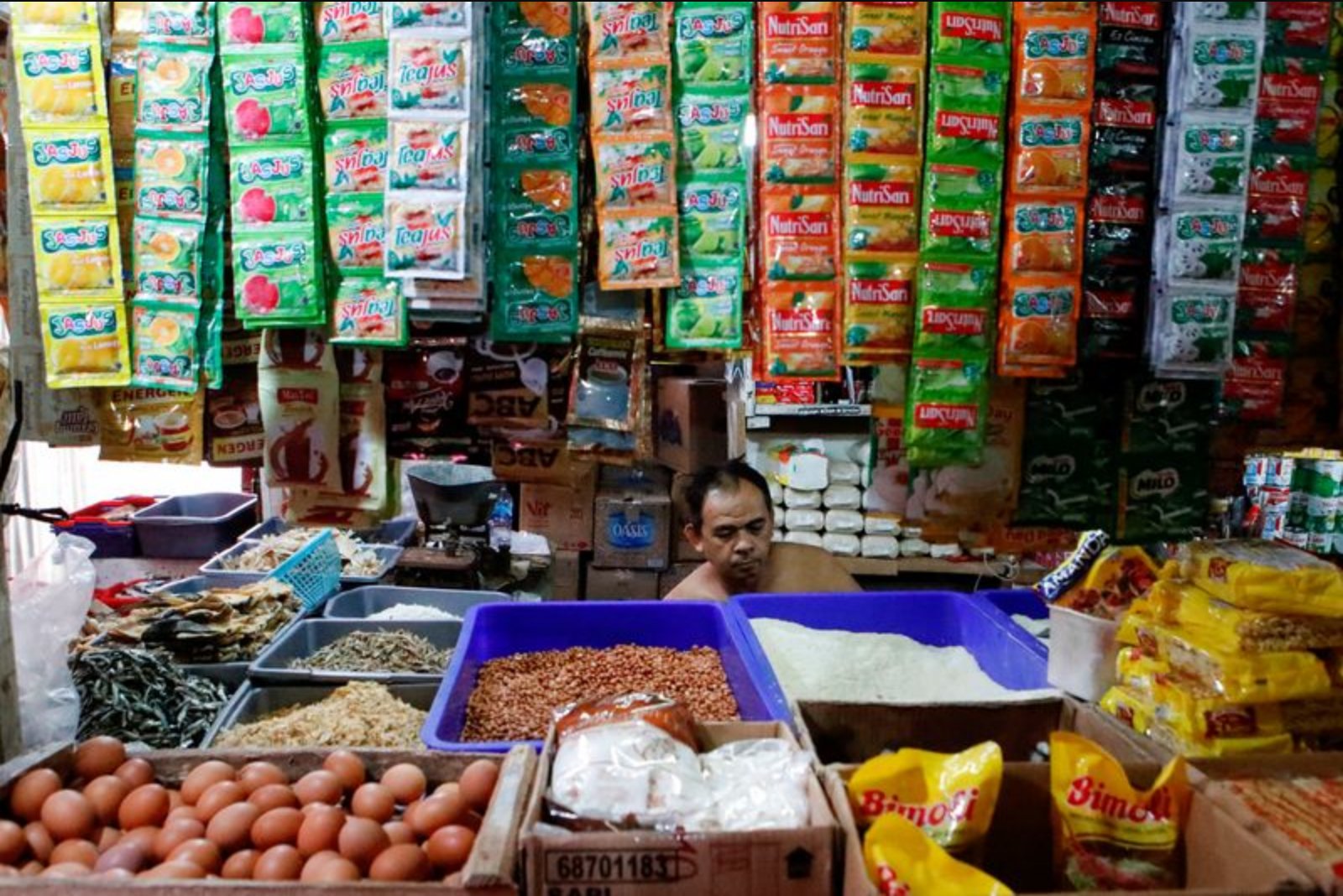
A recent survey of economists found Indonesia's annual inflation rate likely accelerated to 2.97% in May, moving toward the upper edge of the central bank's 1.5% to 3.5% target range for 2026 and 2027. The poll highlighted upward pressure on prices from non-subsidised fuel, airfares and cooking oil.
Poll details
The median forecast for annual core inflation in May was 2.52%, a modest increase from April's 2.44% core reading. The survey compiled responses from 14 economists for headline inflation and 12 respondents for core inflation.
Trade outlook for April
On trade, 11 economists in the poll anticipated the nation's goods surplus would shrink to a median $1.50 billion in April, down from a $3.32 billion surplus recorded in March. The respondents expected exports to rise 8.8% year-on-year in April while imports were forecast to grow 3.25% year-on-year.
Policy and fiscal context
Earlier in the month, Bank Indonesia raised its policy rate by an outsized 50 basis points to support the rupiah and help keep inflation within the central bank's target range through next year. Separately, the government has expanded its fuel subsidy budget following the Iran war, a move intended to shield most consumers from the inflationary pass-through associated with swings in global crude oil prices.
Implications for markets and sectors
The survey's readings point to cost pressures concentrated in energy, transport and food categories given the mention of fuel, airfares and cooking oil. The interest-rate adjustment by Bank Indonesia and the government's enlarged fuel subsidy budget are relevant to currency markets, household consumption patterns and fiscal outlays.
What the survey cannot resolve
The poll provides median expectations but does not substitute for official releases. The precise monthly and sectoral breakdowns will depend on forthcoming official data.
Summary of key figures cited in the survey
- Headline inflation (median forecast for May): 2.97% year-on-year
- Core inflation (median forecast for May): 2.52% year-on-year; April core was 2.44%
- Central bank inflation target: 1.5% to 3.5% in 2026 and 2027
- Survey sample sizes: 14 respondents for headline inflation; 12 for core
- April trade surplus (median forecast): $1.50 billion, down from March's $3.32 billion
- April export forecast: +8.8% year-on-year; import forecast: +3.25% year-on-year
- Policy action: 50 basis point rate increase earlier in the month