
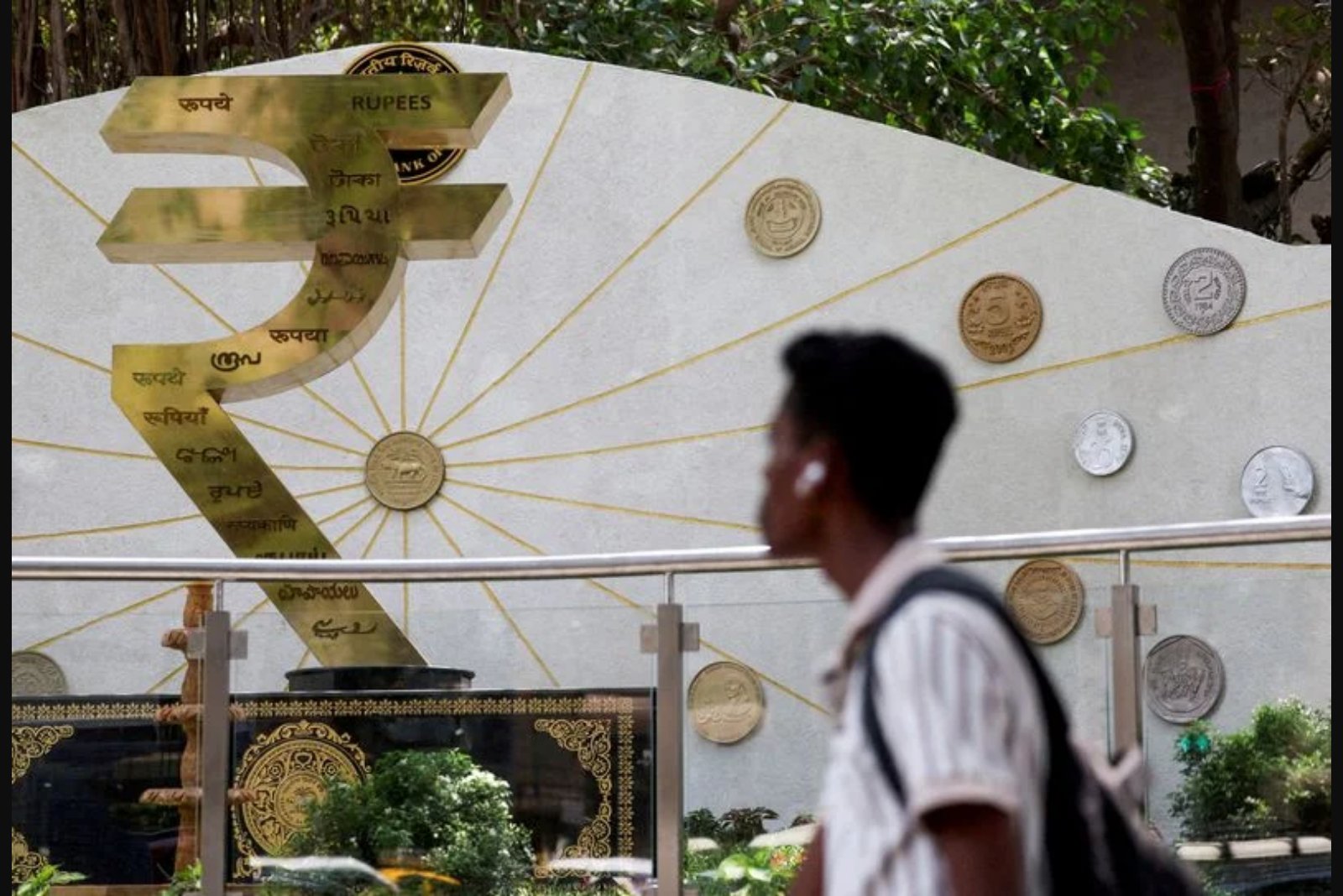
As the week begins, the Indian bond market appears set for a period of consolidation. The primary driver for market sentiment is expected to be the Reserve Bank of India's monetary policy announcement on June 5. In the absence of significant shifts in global economic indicators, traders suggest that domestic expectations regarding the central bank's next move will dictate price action.
Market Dynamics and Monetary Expectations
A recent Reuters poll conducted between May 22 and May 29 indicates a strong consensus among economists, with nearly 80% anticipating that the RBI will maintain the current repo rate. However, this stability is being challenged by certain market voices calling for an interest rate hike. While the majority expect no change, institutions including Standard Chartered, Capital Economics, ANZ, MUFG, and OCBC are part of a minority group forecasting an increase in rates.
Beyond the immediate decision on interest rates, the central bank is anticipated to provide updated forecasts regarding growth and inflation for the fiscal year ending March 2027. These updates come at a time when the Middle East conflict continues to exert influence on global economic conditions.
Key Economic Drivers
- Central Bank Policy: The upcoming RBI decision is the central focal point for the fixed-income market, influencing yield expectations and interest rate swap rates.
- Commodity Price Pressures: Fluctuations in crude oil prices, specifically Brent crude, remain a critical factor. The Strait of Hormuz has seen restricted activity since February 28, which has contributed to a more than 30% increase in benchmark Brent crude prices.
- Currency and Inflation: A weakening local currency combined with rising oil costs has historically applied selling pressure on government bonds, as these factors can drive inflation higher.
Impacted Sectors
The convergence of central bank policy and energy costs impacts several key areas: the Government Securities (G-Sec) market, which sees direct volatility in yields; the banking and financial sector, as seen in the movement of overnight index swap rates; and the macroeconomic stability of India via the current account deficit and inflation metrics.
Risks and Uncertainties
- Energy-Driven Inflation: The disruption in the Strait of Hormuz, which typically manages about one-fifth of global liquefied natural gas and oil flows, poses a risk to inflation targets. Higher oil prices can increase pressure on the central bank to implement rate hikes earlier than anticipated.
- Current Account Stability: Elevated crude oil costs impact India's current account deficit, creating a complex environment for monetary policy planning.
- Swap Rate Volatility: Fears regarding a shift in the central bank's stance have already influenced overnight index swap rates. In May, the one-year swap rate ended at 6.0950%, the two-year rate at 6.29%, and the five-year rate closed at 6.6125% on Friday.