
Goldman Sachs Chief Executive David Solomon warned that a renewed rise in oil prices could prompt changes in household spending patterns in the latter half of 2026 if that development fuels higher inflation.
Addressing members of the Economic Club of New York, Solomon said that if inflation accelerates - with energy costs as a key channel - consumers are likely to adjust their behavior. He stressed that such a shift would be tied to a pickup in inflation and anticipated changes would be most apparent in the second half of 2026.
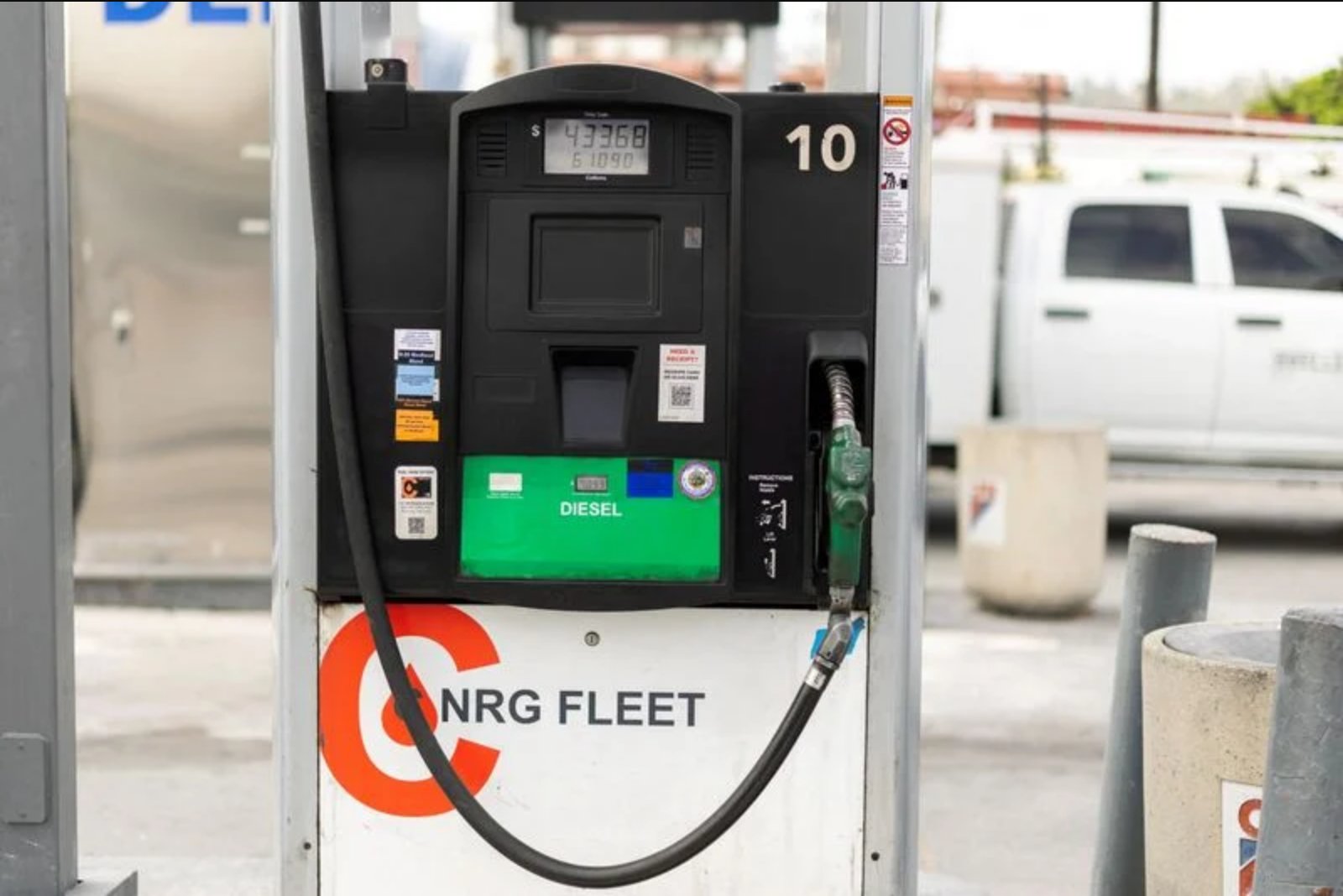
The cautionary note followed data showing U.S. inflation climbed at its fastest pace in three years in April, a move driven in part by rising energy prices linked to the Iran war. That sequence of events, Solomon said, has reinforced the view among economists that the Federal Reserve will maintain current interest-rate settings into next year.
On the near-term outlook, Solomon allowed that some pieces of economic data over the coming six months could change market sentiment, but he added that, for the time being, he is not seeing those shifts materialize. "You can see some economic data in the next six months that shifts the sentiment," he said. "But for the moment, that’s not coming through."
Solomon also voiced "enormous confidence" in the Federal Reserve, including its governors and the newly appointed chair, Kevin Warsh. His remarks signaled trust in the central bank's capacity to manage monetary policy through evolving inflation dynamics.
Asked about the potential market impact of a set of very large initial public offerings anticipated to reach public markets, Solomon said concerns about capital scarcity are overblown at present. "There’s enough capital for what we’re talking about at this flow at this point," he said, indicating that markets should be able to absorb the forthcoming supply of new listings without unduly disrupting investor flows.
Among the high-profile listings expected to arrive are some companies planning very large valuations. Separately, those offerings - grouped with other major debuts - are poised to add nearly $4 trillion of market capitalization to public markets, which could intensify competition for investor dollars according to the assessments cited during the discussion.
Solomon cautioned that episodes of market exuberance can persist for extended periods, and he described the present environment as one where greed appears to exceed fear. He noted that this climate presents significant opportunities to allocate capital to emerging technologies.
Finally, Solomon described a recent meeting with New York's mayor, Zohran Mamdani, as productive. He said he was hopeful the mayor, transitioning from campaigning to governing, would engage with and support the business community broadly.
Summary: David Solomon warned that higher oil prices could restart inflationary pressures and shift consumer behavior in the second half of 2026, while also expressing confidence in the Federal Reserve and saying markets can absorb large IPOs.