
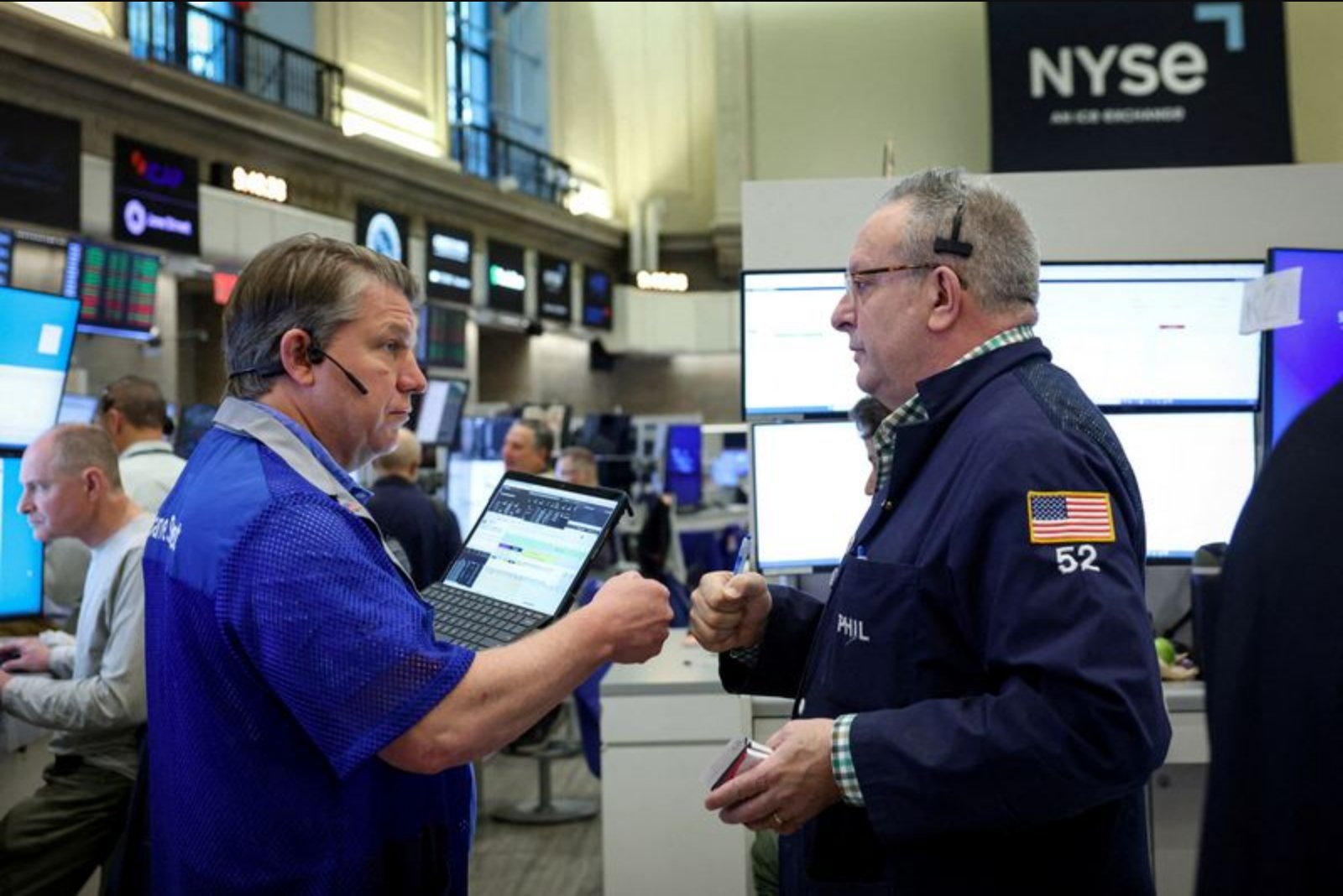
Global financial markets underwent a significant shift on Wednesday as equities rallied, even as crude oil prices and bond yields experienced sharp declines. This movement appears to be fueled by escalating hopes that a peace agreement between the United States and Iran may be approaching, following statements from President Donald Trump suggesting that talks are in their "final stages." This optimism has triggered a surge in "risk on" demand, breaking a three-day losing streak for Wall Street.
Market Performance Overview
The performance across different asset classes was distinct. In the equity markets, major U.S. indices saw gains of 1% or more. In Europe, stocks rose by 1%, while the UK saw an increase of 1.5%. Conversely, Asian markets were mostly lower, and Brazil recorded a gain of 2%. Within the S&P 500, eight sectors moved upward while three declined.
- Technology: The tech sector climbed by 2%, with the Philadelphia semiconductor index rising 4.5%.
- Consumer Discretionary: This sector saw a 2.5% increase.
- Energy: Energy stocks fell by 2.6%.
- Airlines: Airlines experienced a substantial jump of 9%.
Nvidia, the world's most valuable company, saw its shares fluctuate in choppy after-hours trading following its latest results, moving from a fall to a rebound (recorded at -0.03% and -0.07% before rebounding to +1.3%).
Fixed Income and Currencies
The bond market saw a significant retreat in yields. The 10-year U.S. Treasury yield dropped by 10 basis points, following a weak 20-year auction. In the United Kingdom, yields experienced double-digit declines across the entire curve. In the foreign exchange markets, the Dollar index fell by 0.2%. The Australian and New Zealand dollars, along with the South African rand, were among the top G10 gainers. In emerging markets, the Indonesian rupiah was lifted by a rate hike, while South Africa emerged as the largest EM gainer.
Commodities and Geopolitics
Crude oil prices tumbled by 5.5% on Wednesday. This slump in energy commodities coincided with the broader market rally and the potential for a diplomatic breakthrough in the Middle East. While previous attempts at peace talks have failed, the current sentiment reflects investor hope that this specific negotiation process may result in a successful deal.
Retail Trends and Consumer Resilience
Recent earnings reports from major retailers are providing a nuanced view of U.S. consumer behavior. There is evidence suggesting that shoppers may be tightening their spending habits:
- Target: Reported strong results and doubled its sales growth forecast, yet the company issued warnings regarding the future outlook.
- TJX: The parent company of TJ Maxx raised its outlook, noting that cost-conscious consumers are gravitating toward its discount offerings.
- Walmart: Market participants are looking toward Walmart's upcoming earnings report, scheduled before the bell on Thursday, for further clarity on consumer trends.
Central Bank Independence and Policy
Discussions regarding central bank autonomy were highlighted by U.S. Treasury Secretary Scott Bessent. In an interview in Paris, Bessent commented on Japanese monetary policy, stating that Bank of Japan Governor Kazuo Ueda would succeed "if they will give him the room to do what he will do." His remarks served as a critique of Prime Minister Sanae Takaichi and emphasized the importance of central banks operating without government interference—a theme currently relevant in global economic debates.
Economic Outlook and Upcoming Data
The market's trajectory remains contingent on several upcoming factors. Investors are monitoring developments in the Middle East, as well as a wide array of economic indicators including PMIs for Japan, the Eurozone, the UK, and the U.S. Other critical data points include U.S. weekly jobless claims, the U.S. Philly Fed index, and Australia's April unemployment figures. Additionally, scheduled speeches from Bank of England Governor Andrew Bailey and Richmond Fed President Thomas Barkin are expected to influence market sentiment.