
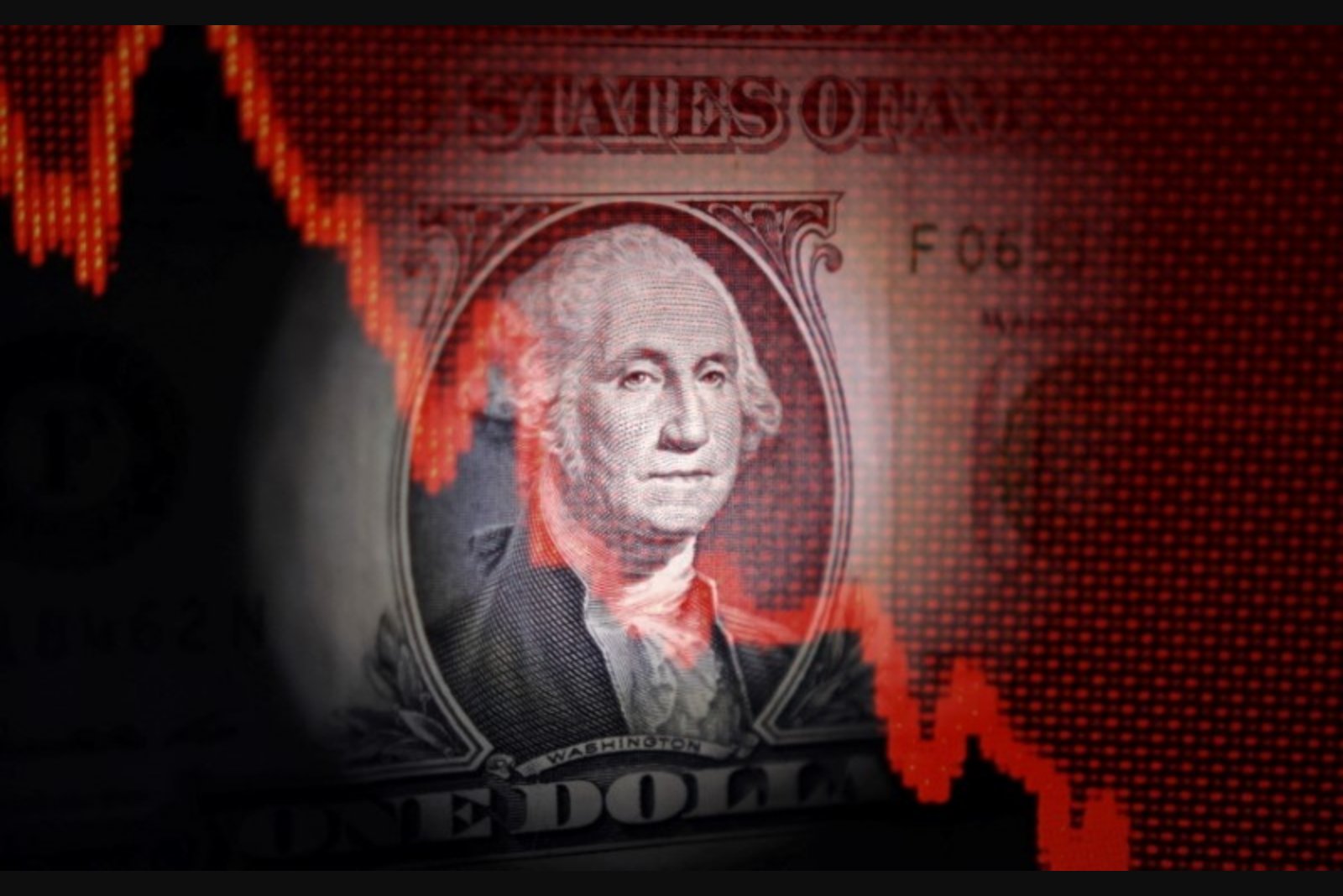
Global fixed-income markets experienced a widespread selloff on Monday, with bond prices falling across major financial hubs including New York and Tokyo. The primary driver behind this market movement appears to be rising energy costs resulting from the ongoing conflict in the Middle East. These elevated prices have reignited concerns over inflation, leading market participants to increase their bets on potential interest rate hikes by central banks globally.
In the United States, benchmark 10-year Treasury yields climbed to 4.6310% during early Asian trading, marking their highest level since February 2025. This follows a significant climb of more than 20 basis points throughout the previous week. The volatility extended across the curve, with the two-year yield reaching a 14-month high of 4.1020%, while the 30-year Treasury yield ascended to a one-year peak of 5.1590%.
Market Drivers and Geopolitical Catalysts
The surge in yields was closely linked to an uptick in oil prices on Monday. This movement follows stalled efforts to resolve the conflict involving Iran, particularly after a drone strike targeted a nuclear power plant located in the United Arab Emirates. Analysts at OCBC noted that recent drone attacks on the UAE’s Barakah nuclear facility and Saudi territory, alongside a planned Situation Room meeting for Tuesday and an ultimatum from Trump stating 'the clock is ticking,' have significantly increased the likelihood of renewed full-scale hostilities.
As the Middle East war enters its third month, market participants are increasingly concerned about the broader economic repercussions. Specifically, there is growing anxiety regarding how mounting inflationary pressures might influence future global interest rate trajectories. Charu Chanana, the chief investment strategist at Saxo, observed that while actual rate hikes may not remain the primary base case, the narrative of 'higher for longer' interest rates is resurfacing in market sentiment.
Global Yield Contagion
The pressure on U.S. Treasuries has had a ripple effect across international markets. In Europe, German bund futures and French OAT futures both saw declines of approximately 0.4% during early trading sessions. Meanwhile, Japanese government bonds (JGBs) faced intense selling pressure. The yield on the 30-year JGB jumped 17 basis points to reach a record high of 4.170%. Additionally, the 10-year JGB yield reached 2.800%, its highest level since October 1996.
The selloff in Japan was further accelerated by reports that the Tokyo government is likely to issue new debt. This issuance would serve as part of a planned extra budget intended to mitigate the economic impact caused by the Middle East conflict. Currently, market pricing via the CME FedWatch tool suggests a greater than 50% probability that the Federal Reserve will implement a rate hike by December. Furthermore, expectations suggest the European Central Bank could begin hiking as early as next month, while the Bank of England may implement approximately two hikes within the current year.
Economic Impact Analysis
Key Market Impacts:
- Fixed Income Markets: Significant volatility and price declines in sovereign debt across the US, EU, and Japan.
- Energy Sector: Increased commodity prices as geopolitical risks drive oil demand and cost projections.
- Monetary Policy Landscape: Shifting expectations for central bank actions, moving toward a more hawkish outlook in anticipation of inflation.
Primary Risks and Uncertainties:
- Geopolitical Escalation: The risk of renewed full-scale hostilities in the Middle East following drone strikes on nuclear and Saudi infrastructure.
- Inflationary Volatility: Uncertainty regarding how sustained high energy costs will impact global inflation targets and subsequent central bank decisions.
- Fiscal Pressure: Potential economic strain from government efforts to cushion conflict-related impacts through extra budgets and debt issuance, as seen in Japan.