
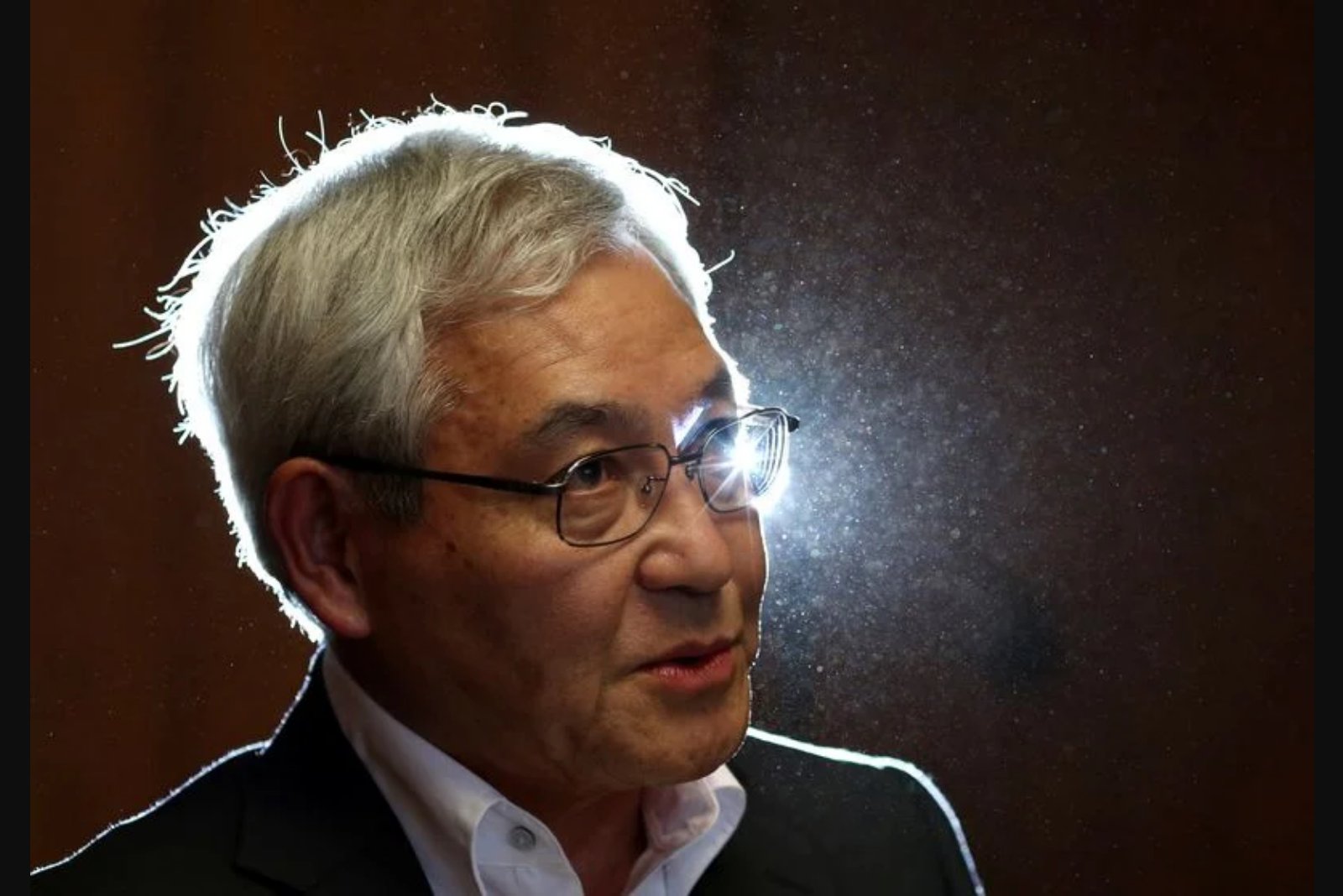
Japan faces a renewed threat of repeating the monetary policy mistake tied to its long period of sluggish growth unless the central bank acts promptly to tame rising price pressures, former Bank of Japan board member Makoto Sakurai warned on Monday. Sakurai said an energy shock stemming from the Iran war is broadening inflationary pressures and could compel the BOJ to pursue rapid rate hikes if it fails to tighten policy in time.
The policymaker noted that the recent spike in energy costs has led current officials, including BOJ Governor Kazuo Ueda, to revisit historical precedents such as the oil shocks of 1973 and 1979-1980. Sakurai pointed out that Ueda did not highlight another episode that bears on today’s risk calculus - the asset-price bubble of the late 1980s.
According to Sakurai, the BOJ’s heavy monetary easing in 1986 - implemented in part to counter a strong yen - kept policy loose even as asset prices climbed. The central bank reversed course in 1989 and a subsequent series of aggressive interest-rate rises precipitated the collapse of that bubble, a development widely linked to the three decades of weak growth that followed. Sakurai cautioned that a similar pattern could unfold now if authorities allow rates to remain too accommodative for too long.
"Given broadening price pressures from the Iran war, stagflation is inevitable," Sakurai told Reuters on Monday. He added: "There’s a serious risk of the BOJ falling behind the curve. Forgoing a rate hike in June is unthinkable." In his view, delay would heighten the chance that the BOJ would be forced into rapid, economy-damaging tightening later.
The BOJ formally wound down a decade-long, large-scale stimulus programme in 2024 and has moved policy rates up on several occasions, including a lift in December. Nonetheless, its short-term policy rate remains modest at 0.75% even as headline inflation has exceeded the central bank’s 2% target for four consecutive years.
Market pricing has reflected shifting BOJ signals: after a series of hawkish cues from policymakers, traders are assigning roughly an 80% probability to a rate increase to 1% at the June meeting. The Iran conflict complicates the BOJ’s decision-making by driving energy costs higher while simultaneously weighing on an economy that imports significant amounts of oil.
Economic activity offers mixed signals. On one hand, gross domestic product rose an annualised 2.1% in the first quarter. On the other hand, analysts expect growth momentum to cool as escalating fuel prices and supply disruptions erode corporate profits. At the same time, inflationary forces are building as a weaker yen and labour shortages encourage firms to raise prices.
Sakurai noted that government subsidies have recently helped keep core consumer inflation below the BOJ’s 2% target, but he warned that this effect may be temporary. He forecast that inflation could accelerate toward about 3.5% from the autumn as companies pass on higher costs linked to the war.
Separately, Sakurai highlighted early indications of overheating in asset markets. The BOJ itself identified such risks in its semi-annual financial system report published in April. Japan’s Nikkei share average climbed past 67,000 on Monday, buoyed by gains in AI-related stocks, and land prices posted their fastest rise in 34 years in 2024.
"If the BOJ holds reservations over raising rates now, it will be forced to do so at a rapid pace later and hurt the economy," Sakurai said. "We’re only a step away from repeating the mistake that led to Japan’s lost decades." His remarks underscore the trade-offs facing policymakers between containing inflation and avoiding a policy-induced shock to growth and asset prices.
Policy watchers and market participants will closely monitor upcoming BOJ communications and the June policy meeting for signs of whether officials will move pre-emptively or delay and risk a steeper adjustment later. The interplay among energy-driven inflation, currency weakness, labour market tightness and asset-price dynamics will be central to assessing the path of monetary policy and its implications for growth and financial stability.