
On May 30, a U.S. district court in Florida signaled it will take a closer look at the settlement that resolved President Donald Trump’s $10 billion lawsuit against the Internal Revenue Service over alleged mishandling and leaking of his tax records.
The agreement between the Justice Department and Trump would establish a nearly $1.8 billion fund intended to compensate victims of political "weaponization," and would also prevent the IRS from pursuing audits of past tax claims for Trump, his relatives and his companies for returns filed before May 18 or for any matters "that were raised or could have been raised."
U.S. District Judge Kathleen Williams has ordered Trump’s attorneys to respond by June 12 to a motion filed by 35 retired federal judges. That motion contends the settlement "is a product of collusion and is itself a fraud on the court," and asks the court to consider whether the case should be reopened based on allegations that the litigation stemmed from "deception" by both Trump and the government.
The motion by the retired judges also highlights that the settlement was never placed before the court, a fact they say raises "profound questions about Trump and the government’s actions and manipulation of the judicial system, which threatens to undermine confidence in the administration of justice."
After the agreement was reached, Trump moved to dismiss the lawsuit in an effort to avoid judicial review of the settlement. Judge Williams granted that dismissal on May 18. Her recent order, however, emphasized that the court retains the authority to investigate allegations of serious misconduct. It is uncommon, the order notes, for a judge to require the government to reply to a motion after a case has been dismissed.
If the court elects to reopen the matter, Judge Williams could schedule hearings or take additional steps to probe the claims raised by the retired judges and other parties.
In a related development, U.S. District Judge Leonie Brinkema in Virginia issued a temporary order on Friday that stops the administration from establishing the so-called Anti-Weaponization Fund. Brinkema’s injunction will remain in effect at least until June 12.
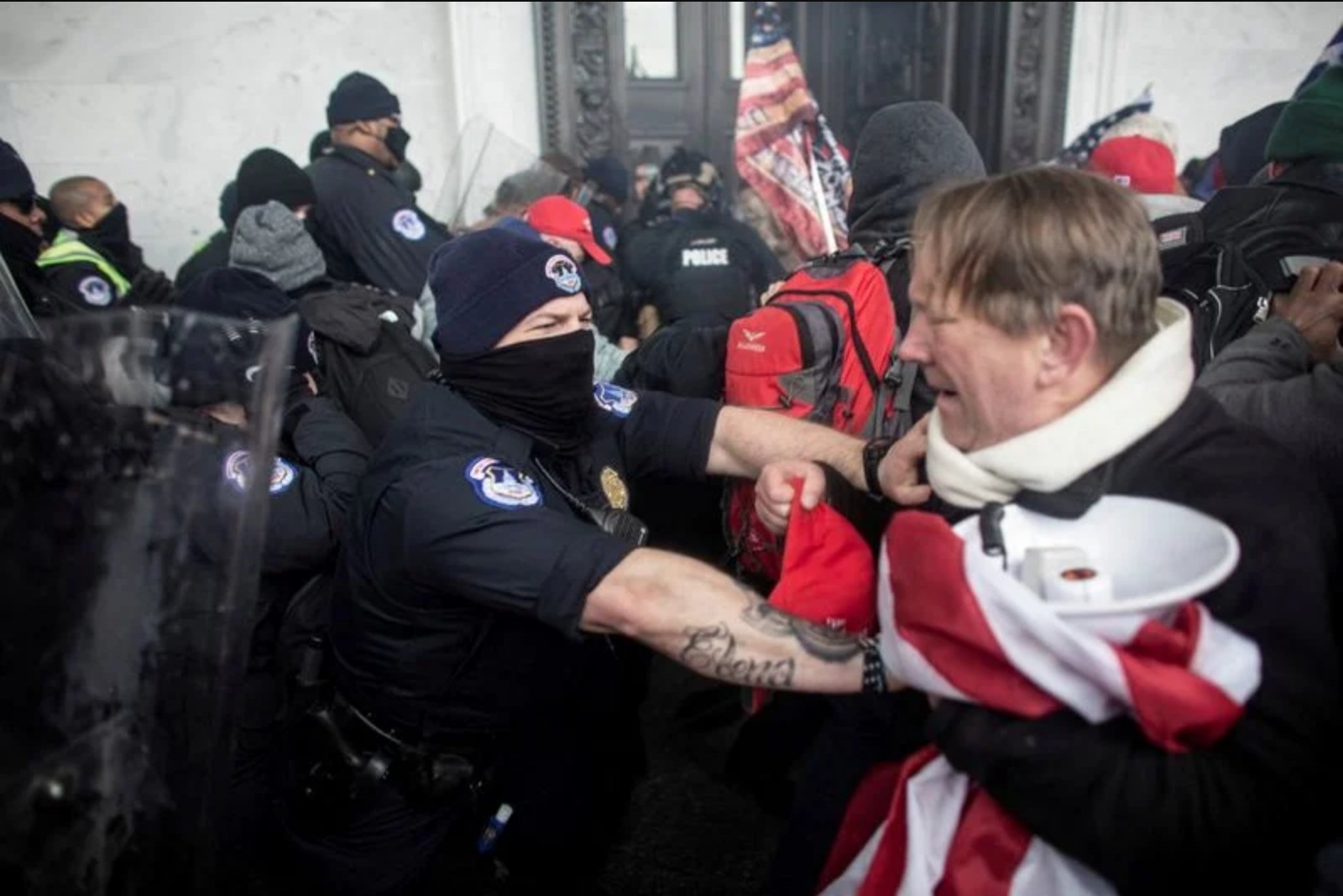
The proposed fund has generated criticism from across the political spectrum, including some Republican lawmakers, who have objected to the possibility that certain individuals involved in the January 6, 2021, attack on the U.S. Capitol could receive payouts financed by taxpayers. Critics have characterized the measure pejoratively as a "slush fund."
Legal experts described the settlement as highly unusual both because of the subject matter of Trump’s lawsuit against the IRS and because funds on this scale are commonly created by legislation or are placed under court supervision. The settlement’s combination of a large compensation pool and broad protections against IRS audits for past returns underscores why the deal has drawn intense legal and political scrutiny.
The sequence of events - a settlement, a motion to dismiss, a retrospective challenge by retired judges, and a separate injunction in another jurisdiction - leaves open procedural questions that the courts will address in the coming days, beginning with the June 12 deadlines set by both Judge Williams and Judge Brinkema.