
A federal judge in Florida has moved to reopen review of a settlement reached between the Justice Department and President Donald Trump in his $10 billion lawsuit against the Internal Revenue Service, ordering Trump's legal team to file a response by June 12 to a challenge from a group of retired judges.
The lawsuit, brought by Trump against his own government, alleged mishandling of his tax records that led to leaks to the media. The settlement negotiated between the parties would establish a nearly $1.8 billion fund intended to compensate people the agreement describes as victims of political "weaponization."
U.S. District Judge Kathleen Williams issued the order on Friday directing Trump's lawyers to respond to a motion filed by 35 retired federal judges. The retired judges urged the court to scrutinize the deal, asserting that the settlement "is a product of collusion and is itself a fraud on the court." They also asked the court to consider reopening the case on the ground the lawsuit was the result of "deception" by Trump and the government.
After the settlement was announced, Trump moved to dismiss the lawsuit in an effort to avoid further judicial oversight of the agreement. Judge Williams initially granted that dismissal on May 18. Her new order emphasizes the court's authority to examine allegations of serious misconduct, and it is uncommon for a judge to require the government to respond to a motion after a case has already been dismissed.
If Judge Williams decides to reopen the matter, she could schedule a hearing or take additional steps to investigate the issues raised by the retired judges' motion.
Separately, in Virginia, U.S. District Judge Leonie Brinkema issued a temporary order on Friday blocking the Trump administration from setting up the so-called "Anti-Weaponization Fund." Brinkema's order will remain in effect at least through June 12.
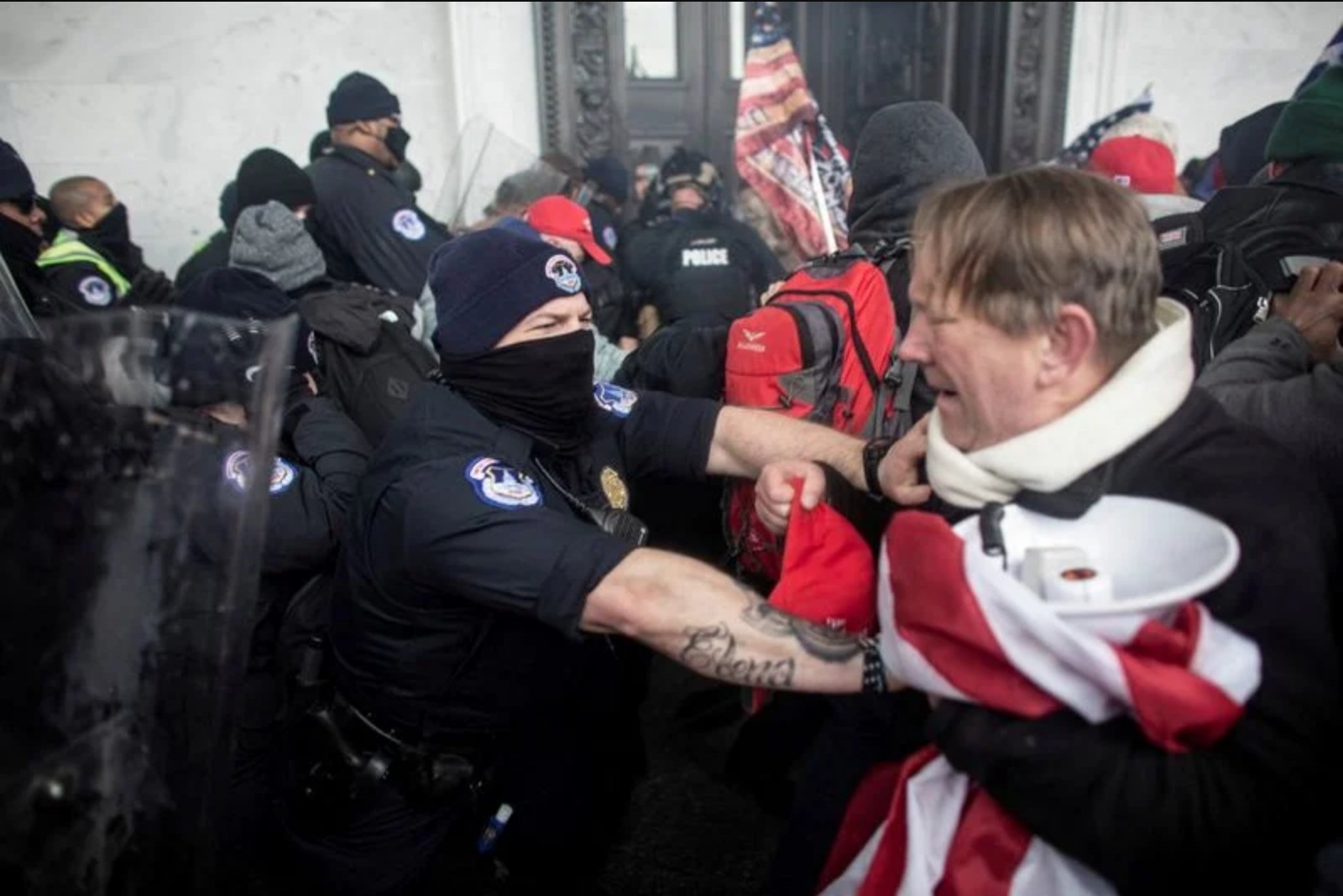
The proposed fund has provoked criticism from across the political spectrum, including some lawmakers in Trump's own Republican Party. Detractors have expressed concern that certain individuals who participated in the January 6, 2021, attack on the U.S. Capitol could be eligible for taxpayer-funded payouts, with some critics deriding the arrangement as a "slush fund."
Under terms of the settlement, the IRS would be barred from pursuing audits into past tax claims involving Trump, his relatives, and his companies for any tax returns filed before May 18, or for any matters "that were raised or could have been raised." Legal observers noted that settlements of this magnitude are atypical because funds at this scale generally are created by Congress or placed under court supervision.
The unfolding judicial activity now places both the settlement and the mechanics for establishing the fund under closer examination. The court-ordered response and the temporary injunction in Virginia mean additional legal proceedings and potential rulings could follow as the matters proceed toward the June 12 deadline.