
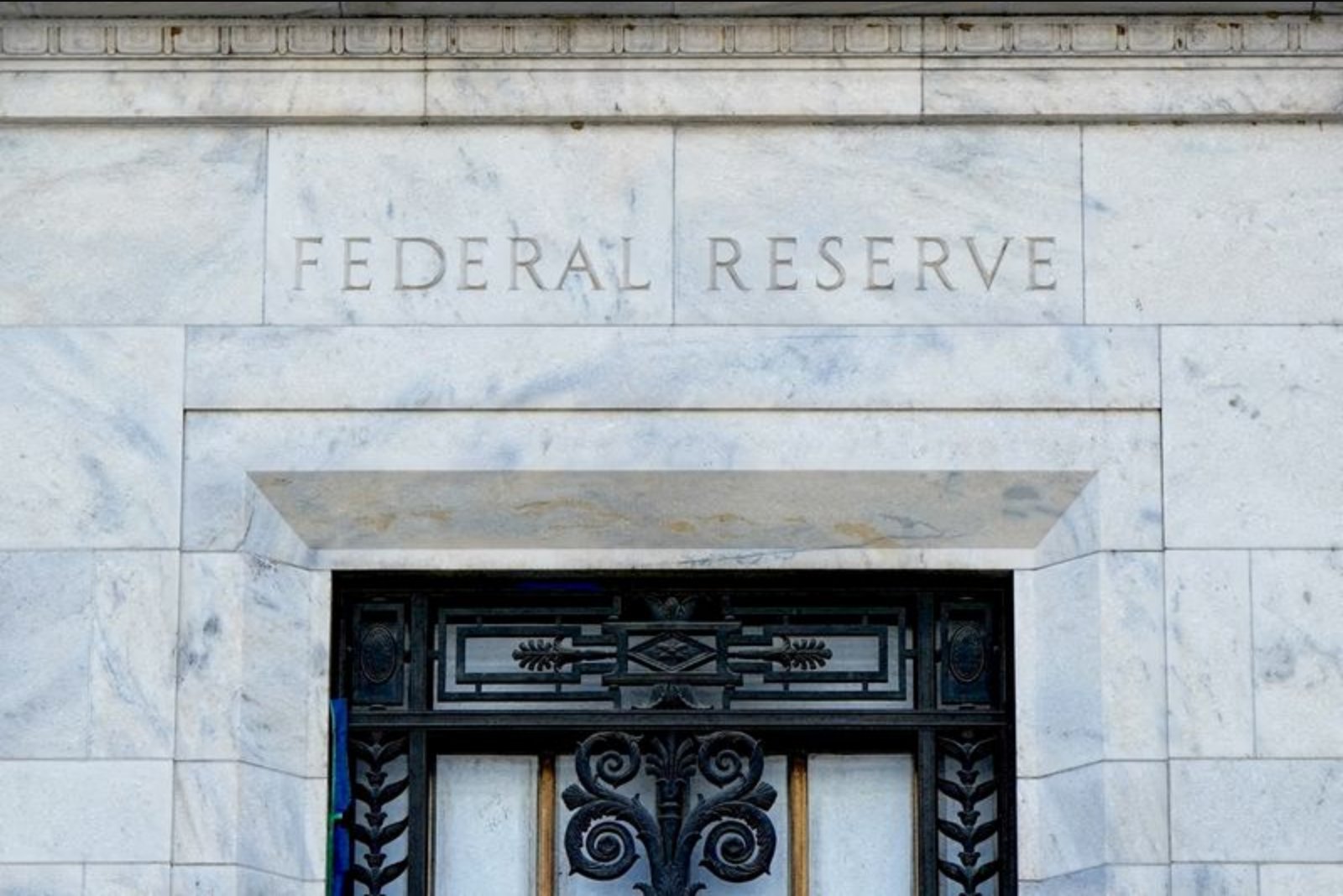
Federal Reserve meeting minutes from the late-April Federal Open Market Committee session show that both staff and a number of policymakers have grown increasingly uneasy about the state of financial markets and the risks that instability could pose to the broader economy.
Those anxieties were recorded at the Fed's April 28-29 meeting and come as a transition in leadership at the central bank approaches - Kevin Warsh is set to be sworn in as Fed chair on Friday, succeeding Jerome Powell, who will remain on the Board of Governors for a period. The minutes capture a discussion across staff and some unnamed Fed officials about how to reinforce the Fed's already broad set of market-stabilizing tools and whether further operational adjustments are needed.
Meeting participants flagged several areas of concern. Stock markets, despite the deteriorating global outlook tied in part to the war in the Middle East, have posted strong gains that many attendees found difficult to reconcile with underlying economic fundamentals. At the same time, bond yields have risen markedly around the world as investors weigh inflation prospects and government financing needs.
Delegates also raised the financing of artificial intelligence investment as a potential source of vulnerability. The minutes note growing unease about how much AI-related investment is being financed through debt, and that such leverage could raise the risk of market turmoil if conditions deteriorate.
Notable vulnerabilities
On balance, Fed staff continued to view the financial system's vulnerabilities as notable, the minutes said, and judged asset valuation pressures to be elevated. While household balance sheets were seen as relatively healthy, staff expressed worry about borrowing activity in other corners of the market, with particular emphasis on hedge funds that are active in the government bond market.
In line with staff assessments, several unnamed policymakers observed that high asset valuations increase the chance of sharp corrections if adverse events occur. "Several participants noted that asset valuations remained elevated and that such conditions heightened the possibility of sharp corrections should adverse developments materialize," the minutes reported. "Many" officials also voiced concerns about private credit markets, citing the sector's opacity as a potential source of trouble.
Operational fixes and liquidity tools
The minutes record discussion among some officials about potential operational improvements to the Fed's liquidity toolkit. Specific facilities mentioned include the discount window, standing repo operations and arrangements for supplying dollars to other major central banks. Officials voted to affirm the existing currency swap lines, and the minutes noted that "a few" Fed officials expressed interest in extending those swap lines beyond the current year, arguing that a longer extension could support financial stability.
The Fed has for some time been encouraging a broader set of deposit-taking institutions to feel comfortable using the discount window, a long-standing facility that provides quick access to credit but that has historically carried stigma. The central bank has also adjusted and tested various configurations for its repo operations, which supply short-term cash to eligible financial counterparties during periods of heightened demand tied to calendar-driven liquidity needs.
Those liquidity tools are designed to stabilize markets during episodes of stress and to help the Fed maintain firm control of its short-term interest rate target. The minutes underscore that variations of these facilities were heavily utilized in recent years amid the COVID-19 shock and the banking-sector turmoil in the spring of 2023.
Debate over the regime and incoming leadership
While some within the system defended the current toolkit, others have been critical of the broader regime and its use. New York Fed System Open Market Account Manager Roberto Perli was quoted in the minutes as saying on Tuesday that the current system "is demonstrably very effective."
Kevin Warsh arrives at the Fed as a critic of some of the institution's approaches in recent years, including aggressive asset purchases used to calm markets and to extend the stimulative reach of the policy rate. He has shown a preference for greater coordination with the Treasury Department on matters that fall outside of pure monetary policy, which could imply shifts in how the Fed deploys liquidity facilities to address financial stress.
Some observers referenced in the minutes expressed concern that the Fed might be less willing to intervene under a Warsh-led approach. There was also worry that the pursuit of a smaller Fed balance sheet - a goal associated with Warsh - could, paradoxically, raise systemic risk rather than reduce it, if changes were implemented without preserving the stabilizing functions of current arrangements.
Practical considerations and constraints
Participants noted that the Fed's suite of interconnected tools - which together help to bind short-term rates and support market functioning - would be difficult to disassemble incrementally. Several current central bankers and other observers cited in the minutes argued that returning to the framework that prevailed before the onset of the financial crisis nearly two decades ago would be challenging and would take a long time to accomplish.
Against that backdrop, Fed officials are weighing how to refine operations and readiness across counterparties, maintain existing international dollar arrangements, and assess the risks posed by concentrated borrowing behaviors and opaque credit intermediation. The minutes offer a window into those deliberations at a moment of leadership turnover and heightened market sensitivity.