
The Federal Reserve opted to keep its benchmark interest rate in the 3.50% to 3.75% range at its policy meeting on Wednesday, while releasing a revised policy statement and quarterly projections that signal a different near-term trajectory for monetary policy.
The new Summary of Economic Projections showed nine Fed officials now expect a rate increase by the end of 2026. In a notable formatting change, the Fed removed previous language that had suggested the potential for lower borrowing costs this year. The updated policy statement simply recorded the rate decision and reaffirmed the central bank's intention to maintain "ample reserves in the banking system."
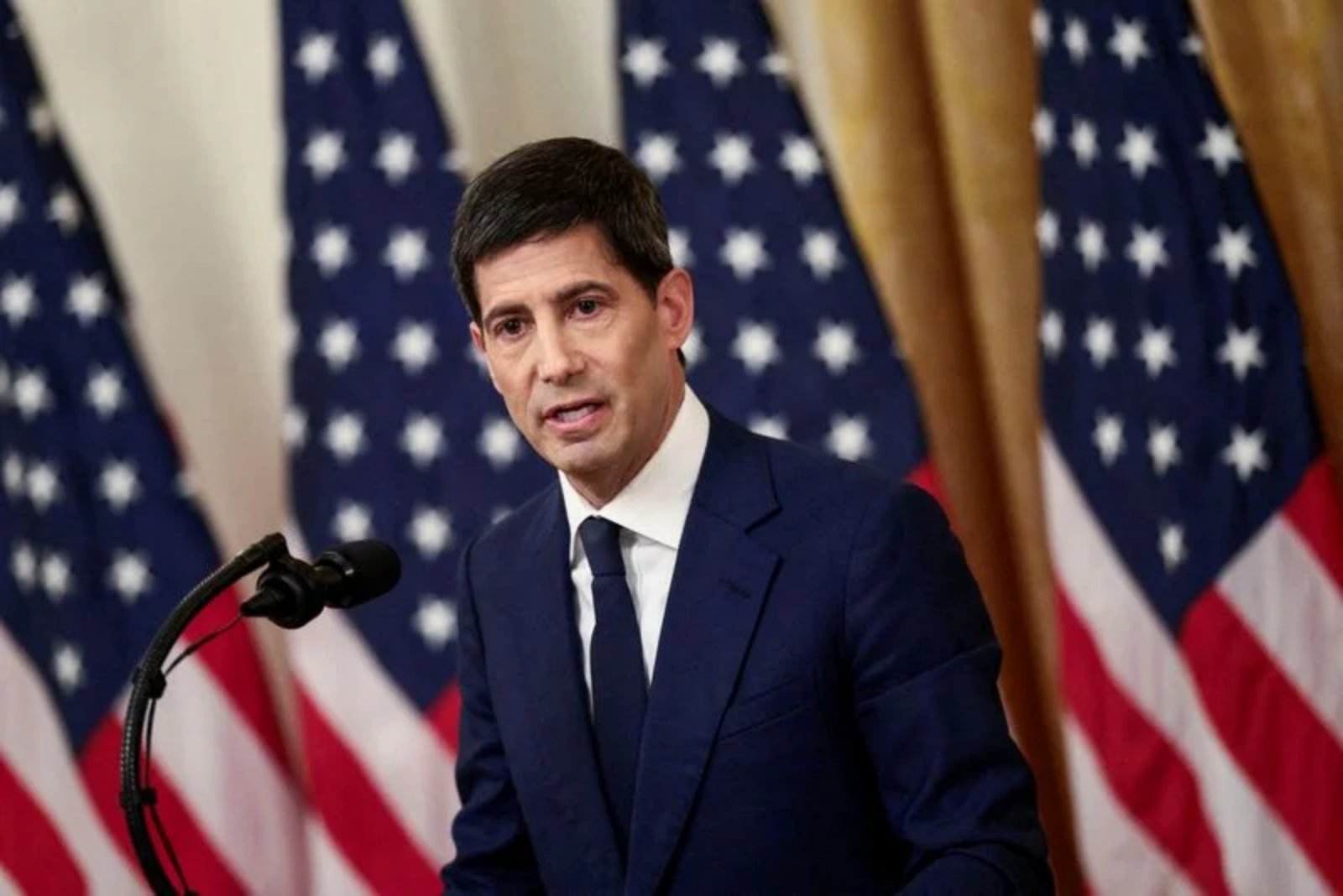
The briefer statement - a return to a style similar to that used in the past under former Chair Alan Greenspan - was approved unanimously in a 12-0 vote by the Federal Open Market Committee. The change in wording and presentation was an early indication of the influence of Kevin Warsh, who took over as Fed chair earlier this year after being appointed by President Donald Trump. Warsh had entered the job with expectations he would deliver the rate cuts the president had urged.
In its description of economic conditions, the Fed highlighted that "productivity growth and capital investment are strong." The committee also acknowledged that inflation remained "elevated relative to the Committee's 2% goal," and assigned some of that elevation to "supply shocks that have driven price increases in certain sectors, including energy." The statement included a direct affirmation of the central bank's mandate on price stability: "The Committee will deliver price stability."
Markets registered immediate responses to the policy release. Treasury yields rose following publication of the statement and projections, U.S. equities slipped modestly, and the dollar strengthened against a basket of currencies. Short-term interest-rate futures adjusted to price in a larger probability of a rate hike by September rather than a continuation of the current stance.
One unusual feature of this quarter's projections was the absence of a single policy projection from one participant. Only 18 of 19 policymakers submitted a dot for the so-called "dot-plot" chart. While the missing projection is not identifiable on the chart, it was presumed to have been withheld by Chair Warsh, who has expressed criticism of the quarterly Summary of Economic Projections.
The projections marked a shift from the outlook that had prevailed since the fall of 2024, when FOMC guidance had been oriented toward lower borrowing costs from the elevated levels used to address inflation spikes during the pandemic period. Officials now collectively projected the policy interest rate would rise by a quarter percentage point by the end of this year.
On inflation, the committee raised its forecast for the end of 2026 to 3.6% from a prior 2.7%. That projection is then expected to decline to 2.3% in the following year, and this path is laid out in the projections without assuming additional rate increases beyond the one anticipated this year. The Fed framed this outlook in part by attributing recent high readings to supply disruptions that the committee expects to diminish over time.
Economic growth expectations were trimmed slightly in the updated projections. The unemployment rate is projected to finish the year at 4.4%, unchanged from the Fed's March outlook.
Market and policy implications
The combination of a shortened policy statement and a dot-plot that signals an eventual rate rise under new leadership represents a recalibration of communication strategy at the Fed. The committee's emphasis on maintaining ample reserves in the banking system preserves a liquidity backstop while signaling a preference for operational simplicity in its public language.
Investors and market participants will be watching incoming data closely given the Fed's adjusted inflation and rate path. The initial market reaction - higher Treasury yields, modest equity declines, and a firmer dollar - reflects investor reassessment of the timing and likelihood of additional tightening.