
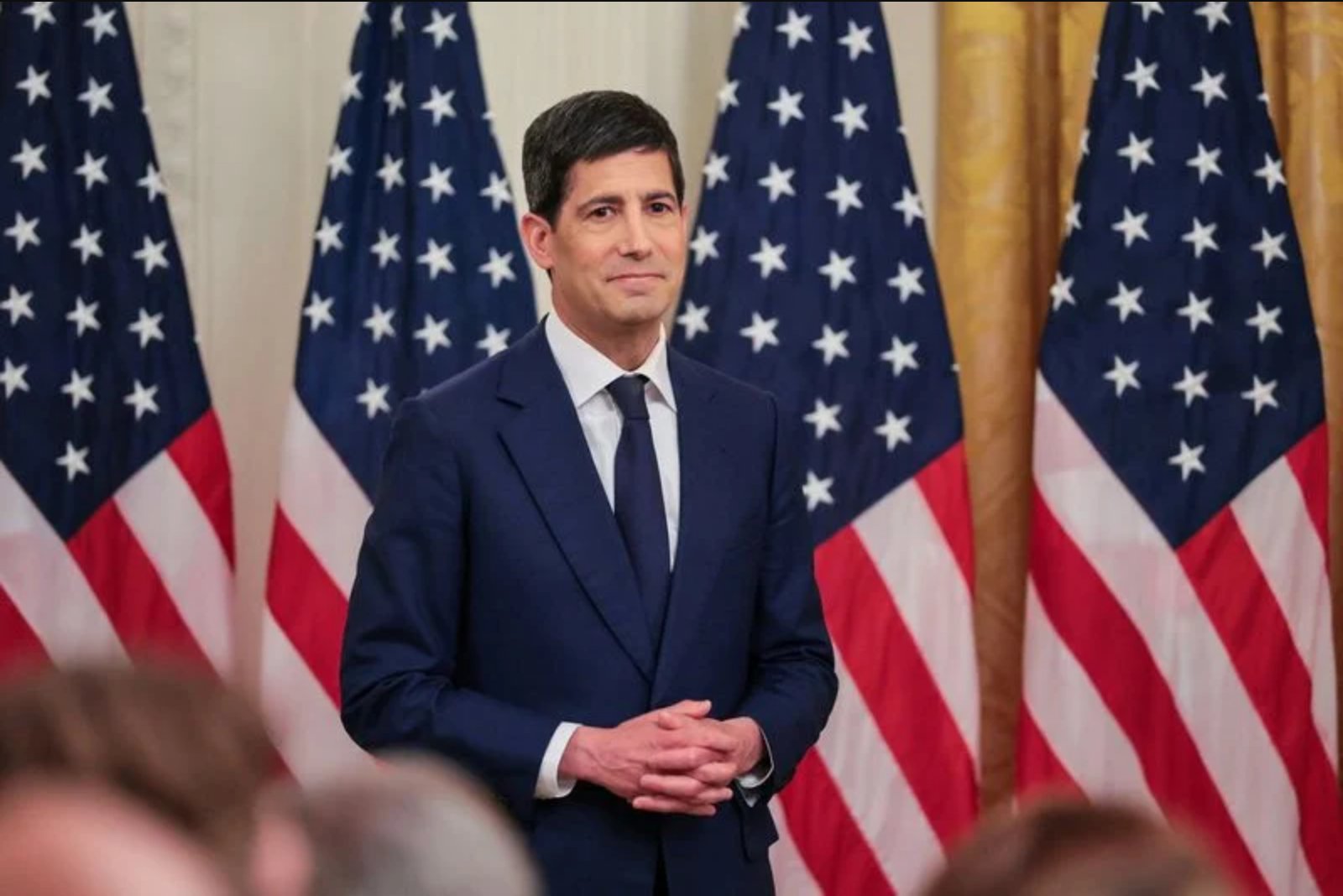
As Kevin Warsh begins his four-year tenure as Chairman of the Federal Reserve, his initial communications suggest a period of transition characterized by both continuity and significant structural scrutiny. In an opening memo sent on Tuesday to the central bank’s more than 20,000 employees, Warsh expressed a commitment to adhering to the "best of the Fed's traditions," yet simultaneously promised a comprehensive evaluation of current institutional practices to identify necessary changes.
Warsh has previously characterized the central bank as having drifted from its core mission. Consequently, his leadership is expected to focus on an extensive reform agenda designed to realign the institution with its intended purpose. In his message to staff, Warsh stated that the highest priority for the Federal Reserve will be executing policy correctly in service to the national interest and the organization's specific remit. He also expressed a desire to foster an environment that enables employees to perform their best work.
The memo indicates that historical precedent will not be used as a shield against improvement. Warsh noted that the institution will not rely on past practices if superior alternatives are identified. He further anticipated that the coming quarters would involve open and clear-eyed discussions regarding the strategies, policies, and operational frameworks of the Federal Reserve.
Strategic Shifts and Advisory Appointments
Warsh's vision for the Fed involves several specific policy and operational adjustments. Among his stated goals is a desire to reduce the size of the Federal Reserve’s $6.7 trillion balance sheet. Additionally, he has indicated an interest in modifying how the central bank communicates regarding upcoming interest rate decisions, suggesting a move away from highly specific forward guidance. Warsh has also proposed investigating alternative measures of inflation that might more accurately reflect price pressures within the broader economy.
To assist in navigating this transition and planning his initial projects, Warsh has engaged two conservative analysts as temporary contractors. These advisors will provide counsel during his takeover from former Chair Jerome Powell, who remains on the Board of Governors. The appointees include:
- Daniel Heil: A policy fellow at Stanford University’s Hoover Institution, where Warsh previously held a position.
- Paul Winfree: A former member of the Heritage Foundation who was responsible for the Federal Reserve reform chapter within the Project 2025 blueprint.
Both individuals have a history of collaborating with Warsh on various research and writing initiatives in recent years.
Navigating Institutional and Political Complexity
The start of Warsh's term occurs amidst significant institutional tension. While his memo adopted an optimistic outlook, noting the speed at which new technologies and business methods are evolving, he must manage a body that includes his predecessor, Jerome Powell. Powell's decision to remain on the Board of Governors follows administrative efforts to influence Fed decisions.
Furthermore, the Federal Reserve is currently facing legal uncertainty regarding its independence. The institution is awaiting a Supreme Court ruling concerning President Donald Trump’s attempt to dismiss Governor Lisa Cook. This legal challenge is viewed as a direct threat to the central bank's tradition of independent monetary policy setting.
The first major opportunity for markets to gauge Warsh's direction will occur during the meetings scheduled for June 16-17. While interest rates are expected to remain unchanged at that time, the release of new economic projections will provide critical insight into his administration's stance on inflation and future policy trajectory.