
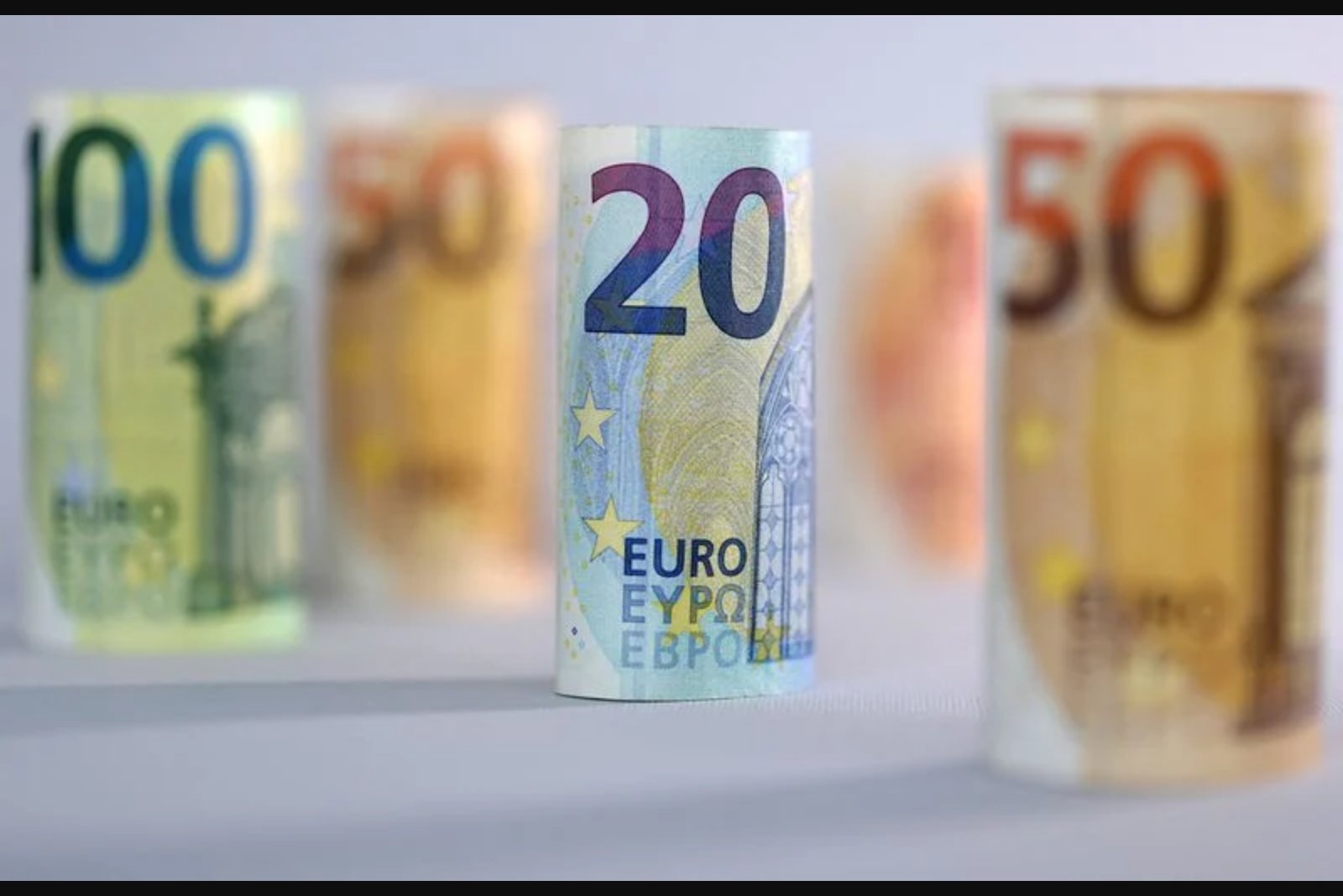
FRANKFURT, June 2 - The euro did not capture substantial market share from the U.S. dollar last year, according to an analysis published by the European Central Bank. The report finds that, in aggregate measures of the currency's global role, the euro remains close to a 20% share and fell short of expectations that turmoil in U.S. economic policy might spur a more pronounced move away from the dollar.
ECB President Christine Lagarde has argued that the euro could become a credible alternative to the dollar if policy-makers enacted long-postponed financial reforms. In the report she reiterated that the conditions for a broader international role for the currency are tied to tangible policy steps.
"There is an opening for the euro to enhance its global appeal - provided that European policymakers create the necessary conditions and put words into action," the report quotes Lagarde as saying, adding that the bloc must strengthen economic resilience, legal and institutional integrity and geopolitical credibility.
Across a wide set of indicators, the euro's market share sits at roughly 20% - marginally higher than in the prior year but far below the levels recorded two decades ago. The ECB's data show that some investors and reserve managers redirected funds into gold and a range of smaller, non-traditional reserve currencies rather than into the euro.
Euro-denominated international debt saw its largest increase, with issuance topping $1.1 trillion last year, the highest yearly level since the currency's inception. The report highlights that favorable borrowing costs and narrow margins supported this increase. One contributor to the surge was a near 50% rise in so-called Reverse Yankee bonds - dollar-based corporate borrowers issuing in euros and then swapping proceeds back into dollars.
Despite the strong showing in debt markets, the euro's standing in official foreign exchange reserves declined slightly. The currency's share in reserves slipped by 0.5 percentage point to 20.2%, leaving it well below the dollar's roughly 57% share. The ECB interprets this as evidence that reserve managers are reluctant to make abrupt shifts in strategic asset allocations, even amid elevated geopolitical uncertainty.
Investor flows into gold were unusually large last year, the report finds. Private purchases of gold doubled to 2,200 tons, while central bank acquisitions amounted to 850 tons - less than the 1,000 tons recorded in the previous year, but still markedly above pre-invasion levels. When gold held in official reserves is accounted for, the metal's share has surpassed that of the euro and U.S. Treasuries, a development the ECB notes is driven in part by higher gold prices as well as by fresh buying.
In daily foreign exchange turnover the euro experienced the biggest decline, a movement the report attributes largely to increased hedging of dollar exposures. That surge in dollar hedging was prompted by the greenback's unusually large swings around a series of policy announcements, notably those touching on tariffs.
The report also notes winners beyond gold. The Chinese renminbi increased its presence across the indicators, reaching a roughly 9% share, according to the ECB's numbers.
Lagarde's assessment concluded with a warning against complacency. "Forces of fragmentation are becoming more pronounced," the report quotes her as saying, underscoring that any advance in the euro's international role will depend on policy actions across multiple fronts.
Impacted sectors: foreign exchange markets, sovereign and corporate debt issuance, central bank reserve management, and the precious metals market.