
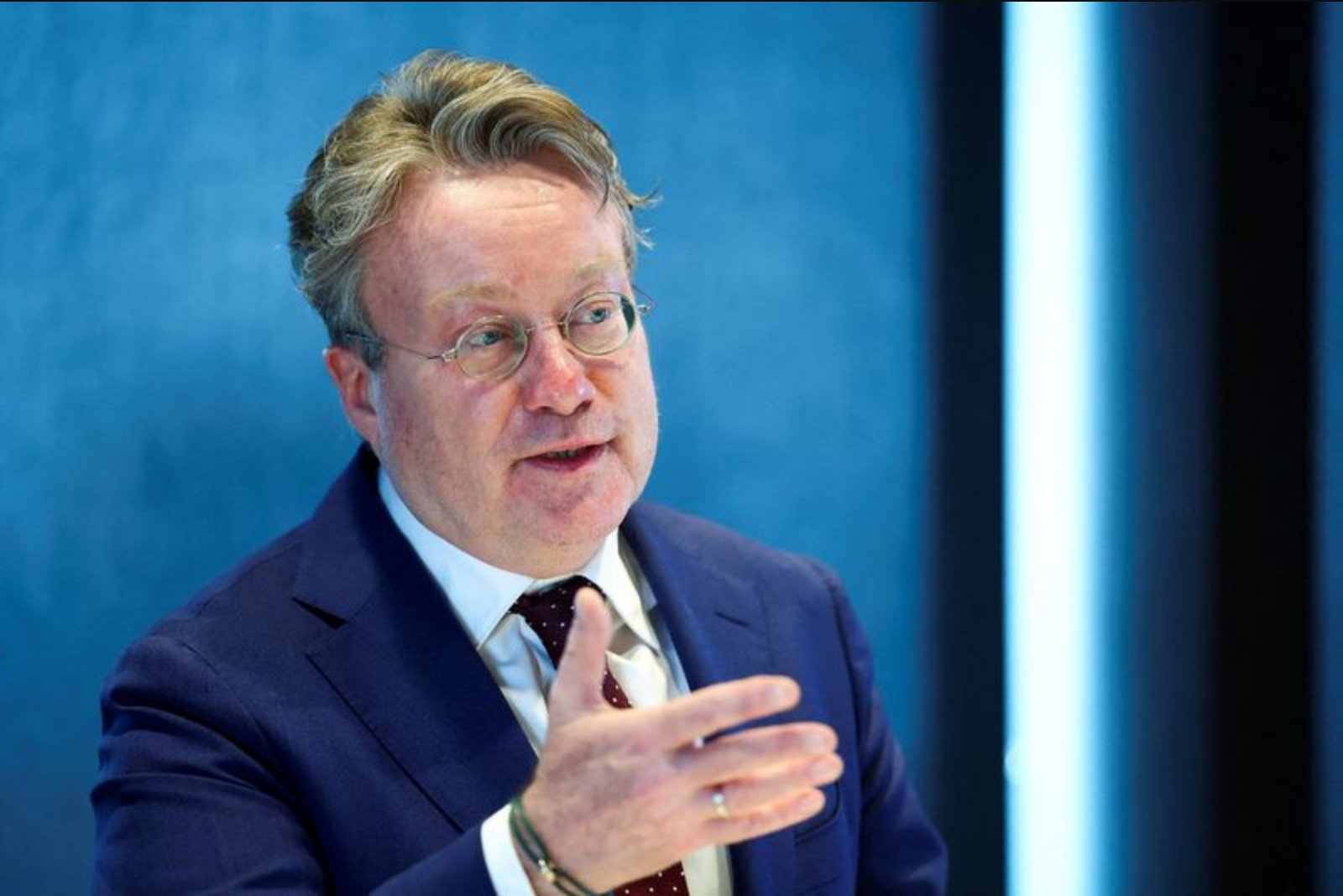
Olaf Sleijpen, head of the Dutch central bank, said on Tuesday that how long the recent energy price shock lasts will be a decisive factor for the European Central Bank's upcoming policy decision. With the ECB's next rate-setting meeting two weeks away, Sleijpen reiterated that the bank's priority remains price stability and that any change in policy will depend on the path of inflation.
Sleijpen said the institution will focus on whether the rise in energy costs - which has already lifted headline inflation - is being transmitted into other price indicators. He framed that pass-through as the key piece of information the ECB needs before determining its next move.
"What we will mainly look at is the extent to which the rise in energy prices, which we have already observed and which has already increased headline inflation, is feeding through into other price indicators," Sleijpen said.
The ECB has maintained its policy rate on hold for the past year. However, higher energy costs prompted a debate about raising rates at last month's meeting, as inflation climbed well above the 2% target and several policymakers signalled a need for action.
Sleijpen pointed to mounting concerns about the potential duration of the current energy shock and noted that market pricing makes a rapid normalisation of energy prices appear unlikely. He stopped short of endorsing an immediate rate increase in June - a position that contrasts with comments by his fellow board member Isabel Schnabel, who has said the ECB should raise rates in June - adding that he will wait for the latest data at the next meeting before forming a definitive opinion.
At the same time, Sleijpen highlighted that tighter financial conditions and a weakening economic backdrop are already exerting downward pressure on inflation. He said restrictive financial conditions, higher interest rates and stricter bank lending standards are contributing to that moderating influence, while growth expectations and confidence measures are worsening.
"Financial conditions have become more restrictive, interest rates have risen ... banks are becoming stricter when it comes to lending," he said, adding that growth expectations and confidence indicators are deteriorating.
Markets currently expect between two and three interest rate increases over the coming year, with traders pricing in a first move in July and a subsequent step in the autumn. Sleijpen also cautioned against drawing direct parallels with the inflation spike of early 2022, arguing that the present situation reflects a "classic negative supply shock" rather than the demand-led pressures that accompanied post-COVID reopenings.
Looking ahead, the central bank will weigh incoming inflation data and indicators of pass-through from energy prices to other components of inflation against the backdrop of tighter financial conditions and weaker growth signals before making its next policy decision.