
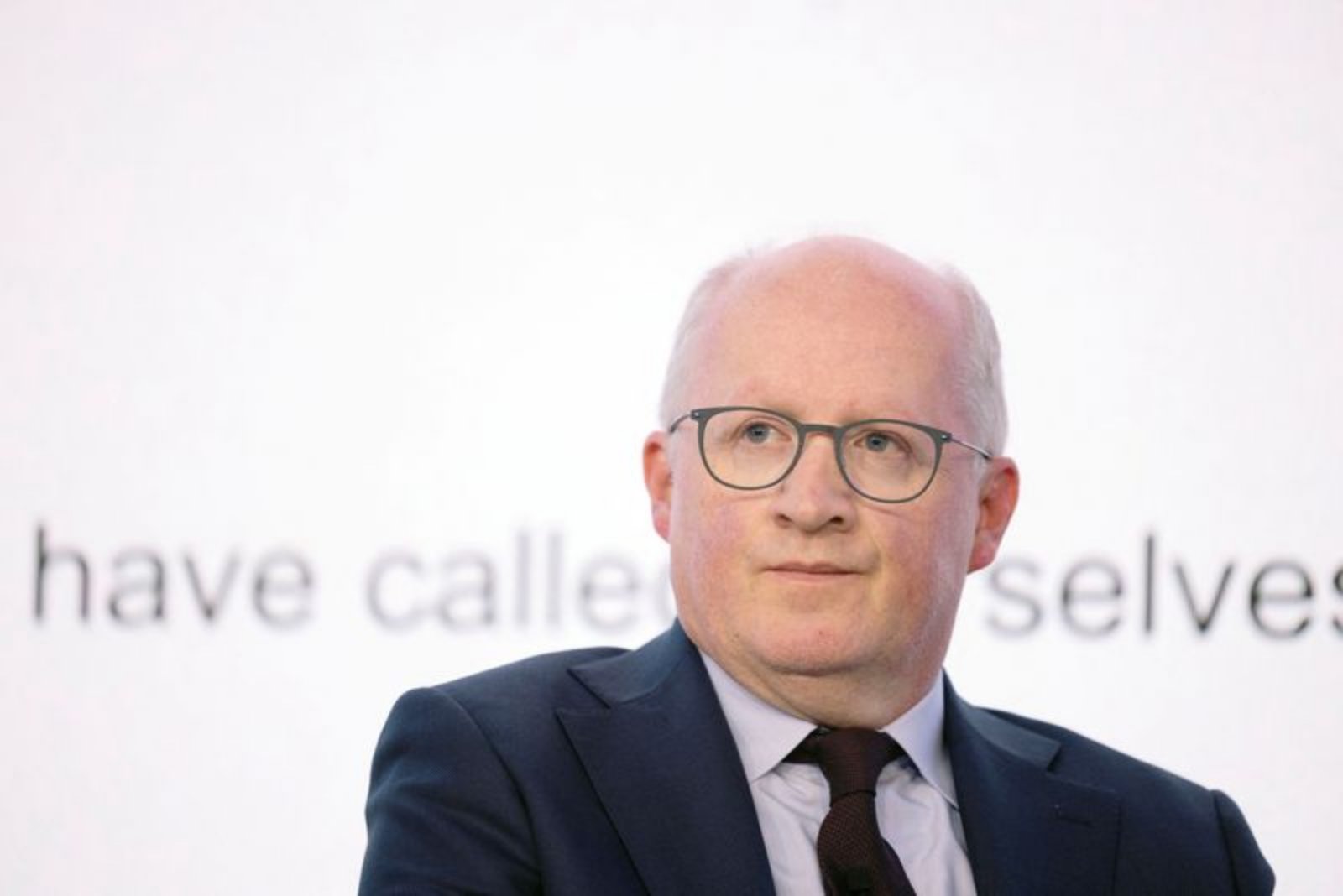
The potential for enduring inflationary pressure remains a central concern for European policymakers. Philip Lane, the chief economist at the European Central Bank, indicated on Thursday that the energy shock resulting from Middle East hostilities is likely to have a persistent impact on inflation levels. This holds true even in a scenario where a rapid solution to the conflict is implemented.
Historically, oil price surges have often been temporary, with costs eventually reverting to their original states. However, Lane suggested that this current period may deviate from historical patterns. He pointed to several factors that could keep energy costs elevated, including efforts by various countries to restock their inventories and the broader movement toward diversifying global energy mixes.
The Mechanics of the Energy Shock
During his address at a conference in Tokyo organized by the Bank of Japan and its think tank, Lane detailed the nature of the supply disruption. He observed that there was an immediate and significant decline in the global supply of oil, though this impact has been somewhat obscured by existing inventories until this point. "Even if the initial energy shock starts to reverse, the second round (effects) will be with us for a while," Lane remarked.
The prospect of sustained high energy prices is already influencing market expectations. Currently, financial markets have fully incorporated the anticipation of two interest rate hikes to the ECB's 2% deposit rate. Furthermore, there is a perceived roughly 50% probability of a third hike occurring within the next twelve months. These market views appear more aggressive than those of many economists; a Reuters poll indicated that economists are maintaining a more cautious stance, forecasting only two hikes followed by a rate reduction in mid-2027.
Comparing Past and Present Volatility
Lane reflected on the lessons that can be drawn from previous energy crises. He noted that sudden rises in energy costs possess the capacity to drive inflation upward abruptly, potentially triggering various "non-linear" mechanisms that expand price increases across the economy. However, he was careful to distinguish this current situation from the volatility experienced four years ago. The previous era of non-linearity was characterized by a combination of supply disruptions linked to the war in Ukraine and intense demand fueled by the COVID-19 reopening, a dynamic he noted is not identical to the present circumstances.
The Role of Central Bank Policy
Regarding the appropriate response from monetary authorities, Lane emphasized that while central banks must acknowledge significant shocks and their inflationary potential, they should avoid overreacting when establishing policy. He advocated for a skillful approach that considers monetary transmission, consumer confidence, and other diverse economic mechanisms. Ultimately, he stressed the importance of ensuring that there is no lasting belief among price-setting sectors or the general population that inflation will remain elevated for an extended period.