
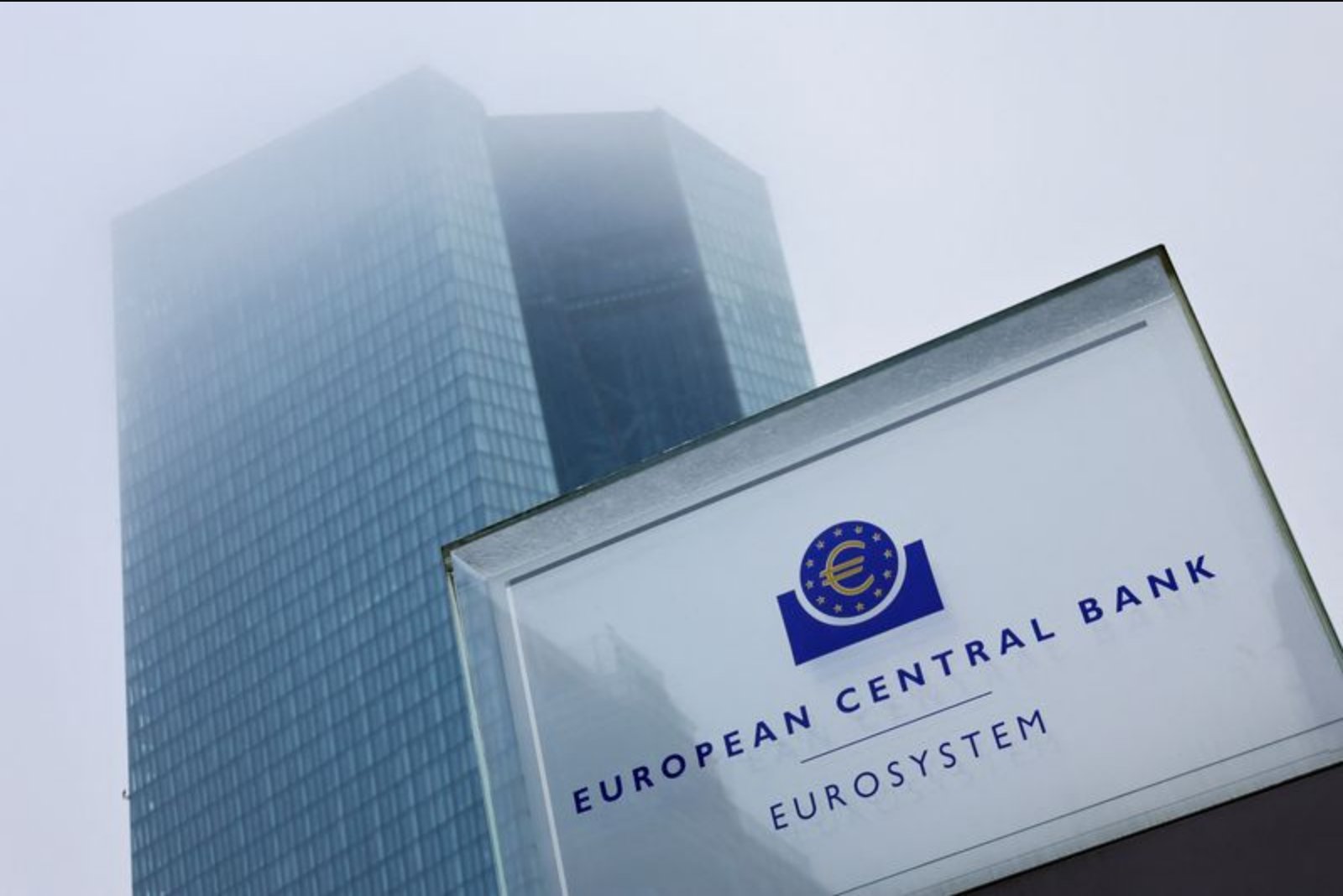
FRANKFURT, May 26 - European Central Bank board member Isabel Schnabel said the central bank should raise interest rates in June, arguing that the recent energy shock has outlasted original expectations and is spilling over into the broader economy. Schnabel warned that even an eventual peace deal in Iran would not eliminate the need for tighter policy because physical damage to energy infrastructure and subsequent supply-chain effects have already taken hold.
Schnabel noted that the ECB has kept policy rates unchanged for the past year but nearly decided to tighten policy last month when sharply higher energy costs pushed inflation well above the bank's 2% target and prompted a number of policymakers to call for action. "Given the size and the persistence of the current shock, looking through is no longer an option in my view," she told Reuters in an interview. "From today’s perspective, I think a rate hike in June will be needed."
While international negotiators have indicated progress in talks with Iran, Schnabel - who is seen as a potential successor to the ECB president next year - said progress on a diplomatic front would not instantly reverse economic damage. "Even if the war ended today, a lot of damage has already been done to energy infrastructure and global supply chains," she said, adding that a monetary policy reaction would still be required.
Her comments reflect concern that high energy prices are not only elevating headline inflation but are beginning to feed through to other components of the consumer price basket. Inflation rose to 3% last month, and Schnabel pointed to survey evidence suggesting second-round effects may already be emerging. She cited signals from the ECB's Consumer Expectations Survey, various PMI readings and the EU Commission's sentiment indicator as pointing to spillovers into consumption categories beyond energy.
"In terms of persistence, we have actually moved beyond the adverse scenario, which assumed a rapid normalisation of oil prices," Schnabel said. That assessment underpins her conclusion that monetary policy can no longer simply look past the current shock.
Looking beyond a potential June move, Schnabel said the ECB should avoid binding itself to a fixed policy path. Instead, she advocated a meeting-by-meeting reassessment of policy based on incoming data. At the same time, she flagged that the ECB's baseline macroeconomic projections already incorporate two rate hikes - a hint that a single step in June may not be sufficient to anchor inflation expectations.
Financial markets have priced in two hikes in the ECB's 2% deposit rate and assign roughly a 50% probability to a third move over the next year. By contrast, private-sector economists are more cautious: a recent poll showed an expectation for two hikes followed by a rate cut in mid-2027.
A factor tempering expectations for aggressive tightening is the weakness in euro zone growth. The European Commission last week projected 0.9% expansion in 2026 - a marked slowdown from the previous year - and Schnabel warned that the persistent energy shock is likely to have stronger-than-anticipated negative effects on growth. "Given the high persistence of the shock, I believe that the negative impact on economic growth will also be stronger," she said, pointing to a sharp decline in confidence indicators, particularly among consumers.
These developments, in Schnabel's view, create a mix of downside risks to growth and upside risks to inflation. She said the recent volatility in euro area government bond yields was not, by itself, worrisome. "The increase in bond yields in the euro area is mainly driven by an increase in inflation compensation," she said. "And this partly reflects an increase in inflation risk premia owing to heightened uncertainty about the future inflation outlook."
Schnabel is responsible for the ECB's market operations. She also commented on her readiness to assume the presidency of the ECB if asked; her current term at the bank runs through the end of 2027.
Summary
Isabel Schnabel urged the ECB to raise interest rates in June, arguing the energy-driven inflation shock is persistent and already spilling into the wider economy through damaged energy infrastructure and strained supply chains. She emphasized that even a ceasefire or peace deal would not immediately remove the need for policy action, recommended data-dependent decisions thereafter, and noted that the ECB's baseline forecast implies more than a single rate move.
Key points
- ECB board member Isabel Schnabel recommends a rate increase in June given a persistent energy shock and rising second-round inflation risks - sectors impacted: energy, consumer goods, financial markets.
- Schnabel highlighted survey indicators - including the ECB Consumer Expectations Survey, PMI readings and EU Commission sentiment data - as evidence that high energy prices are transmitting to other parts of the consumption basket - sectors impacted: retail, manufacturing, services.
- The ECB's baseline projection incorporates two rate hikes, markets have priced in two with a meaningful chance of a third, while economists expect two hikes followed by a 2027 cut - sectors impacted: banking, sovereign bond markets, corporate borrowing costs.
Risks and uncertainties
- Persistence of the energy shock - the extent to which damaged energy infrastructure and global supply-chain disruptions continue to feed inflation is uncertain; this affects energy-intensive industries and consumer price dynamics.
- Weaker economic growth in the euro area - downside risks to growth implied by falling consumer confidence could limit the ECB's room for sustained tightening; this impacts employment-sensitive sectors and investment-heavy industries.
- Inflation risk premia and bond market volatility - rising inflation compensation has pushed yields higher; renewed uncertainty about future inflation could amplify funding costs for governments and corporates.
Note: All observations and quotations are based on statements made by ECB board member Isabel Schnabel and the economic indicators she referenced.