
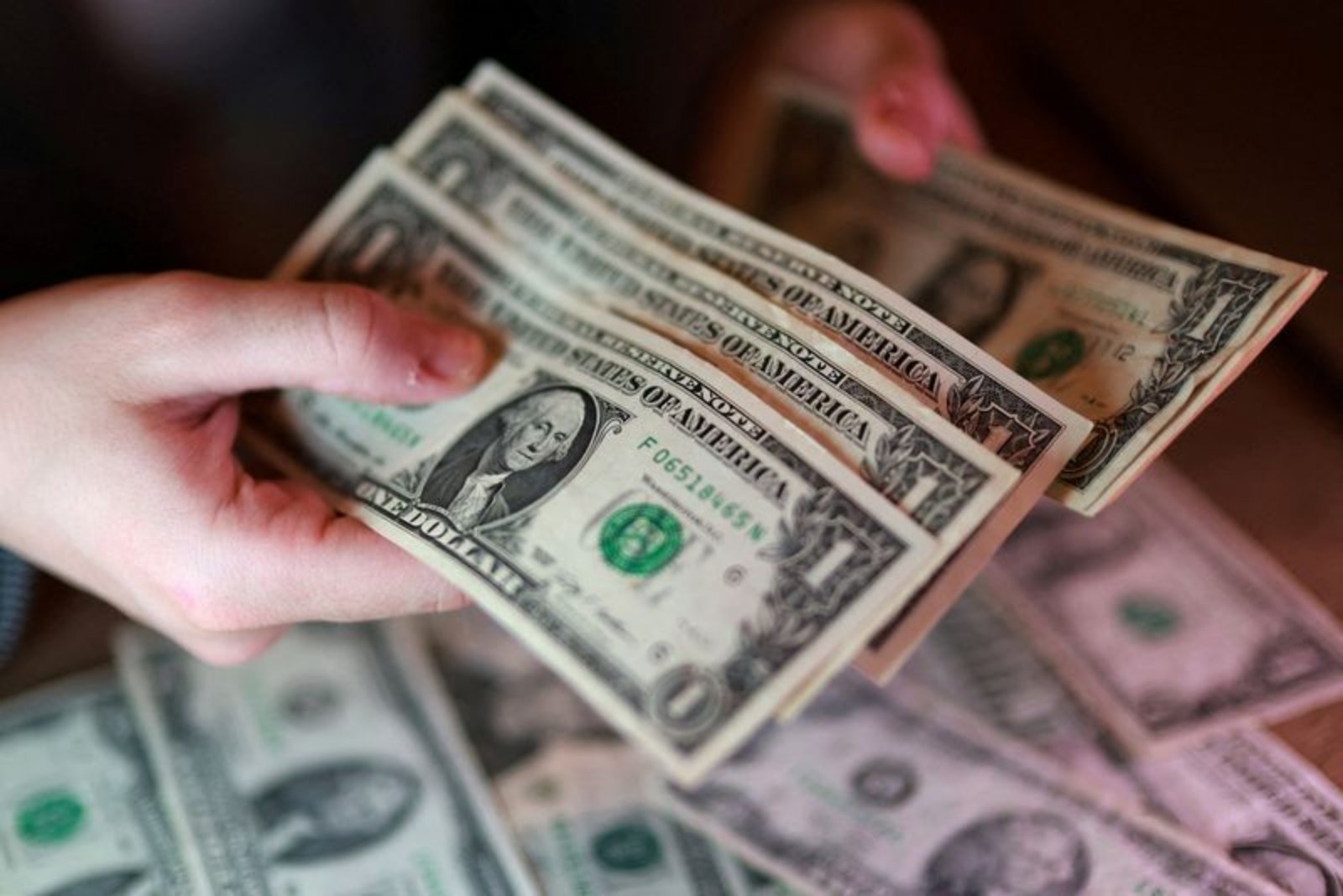
The U.S. dollar, which fell almost 11% in the first half of the previous year and has since been confined to a relatively tight trading band, appears set for a potential move higher as market attention shifts to signs of rising inflation. Investors are increasingly focused on whether the Federal Reserve will respond to those inflation signals with a more hawkish stance, a development that could lift the dollar from its recent range.
After last year’s sharp decline, the dollar index has been rangebound, testing both sides of a five-point corridor for many months. That range has frustrated traders on both sides of the bet - those expecting continued depreciation and those anticipating a durable rebound. The dollar’s direction matters to a wide set of market participants because currency moves change the economics of trade and cross-border returns.
A weaker dollar tends to boost the reported profits of U.S. exporters by increasing the dollar value of foreign earnings when they are repatriated. It also gives American investors a currency tailwind when they hold overseas assets. Conversely, a stronger dollar makes imports cheaper in dollar terms, barring tariff effects, and diminishes the dollar value of foreign returns for U.S. investors.
Market strategists point to higher oil prices and the Fed’s potential tightening as forces that could push the dollar higher. "If oil prices stay high and the Fed signals it’s tightening, you could see the dollar strengthen further," said Thierry Wizman, global FX & rates strategist at Macquarie Group. He added: "I think there could be a little breakout."
The dollar index has climbed nearly 1.5% since February 27, the day before the U.S.-Israeli strikes on Iran, underscoring how geopolitical shocks have intersected with currency moves. The index last traded at 99.13, sitting just below the 101 level that has marked the top of its roughly year-long range.
One proximate driver of the dollar’s recent performance has been moves in U.S. Treasury markets. A selloff in Treasuries lifted yields, improving the dollar’s return profile for global investors and strengthening its competitive position versus other currencies. That dynamic has been reinforced by the prospect that higher oil prices, prompted by the Iran conflict, will feed into inflation.
Although Treasury yields retreated somewhat in recent sessions as hopes rose for a breakthrough to reopen the Strait of Hormuz and ease immediate inflation concerns, yields remain notably above their pre-conflict levels. The 10-year U.S. Treasury yield - a key reference for mortgage rates and broad borrowing costs - has risen by about 50 basis points since the start of the Iran war in late February. The 2-year yield, which is most sensitive to expectations for Fed policy and is closely watched by currency traders, has increased by nearly 70 basis points over the same period.
Bond yields in Europe and Asia have also moved higher, but because oil and gas continue to be traded in dollars globally and the U.S. economy has shown greater resilience to the energy shock, the dollar has retained an edge over some peers, particularly the euro. "I think as long as the data justify spreads widening in favor of the dollar relative to Europe or Japan, the natural path for the dollar is to keep going up," said Shahab Jalinoos, head of G10 FX research at UBS.
Even investors who remain structurally cautious on the dollar have adjusted their near-term positioning. Ugo Lancioni, head of global currency at Neuberger Berman, said the firm’s stance has been, on average, negative on the dollar, but that tactically they have been nearer to neutral in the short term. That shift reflects recognition that shorter-term forces - geopolitical risk, oil-driven inflation and changing rate expectations - can override longer-term structural concerns such as government deficits and elevated valuations.
Inflation expectations have been a central element of the recent market repricing. Market-based measures of long-term inflation expectations, known as break-evens, climbed to a three-year high of 2.508% on the 10-year note earlier in the month and were last reported at 2.4%. Rising break-evens suggest investors expect inflation to be higher in the future, which reduces the attractiveness of fixed-income instruments and pushes yields up as investors demand greater compensation.
"With no end to the crisis in sight, really, and with evidence of inflationary pressure actually feeding through into the data, it’s becoming more and more difficult to look through that initial shock," said Oliver Shale, investment specialist for the U.S. at Ruffer Investments. Shale added that over recent weeks his team has tactically increased their dollar weight slightly, while remaining skeptical of sustained long-term dollar strength.
Policy expectations at the Federal Reserve are central to how traders are positioning themselves. New Fed Chair Kevin Warsh had been widely assumed to clear the way for eventual rate cuts, but the build-up in inflation expectations has made that outcome less certain. "My baseline right now is that the Fed is going to move in a more hawkish direction in the next few weeks," Wizman said. The next Federal Open Market Committee meeting is scheduled for June 16-17.
Investors consistently describe the Iran war as the principal wild card. A durable resolution would likely reduce both inflation expectations and demand for safe-haven assets, presenting a headwind to the dollar. For the moment, however, most market participants remain reluctant to bet against the greenback. "Who knows what happens on the geopolitical front, but the path of least resistance is, in our view, towards a stronger dollar against low-yielding currencies like the yen and the euro," Jalinoos said.
In short, the dollar’s next big move appears tied to a combination of rising inflation expectations, shifts in Treasury yields, oil-market dynamics and the Fed’s policy direction. Until the geopolitical picture clarifies or inflation indicators cool decisively, market participants seem content to err on the side of dollar strength.