
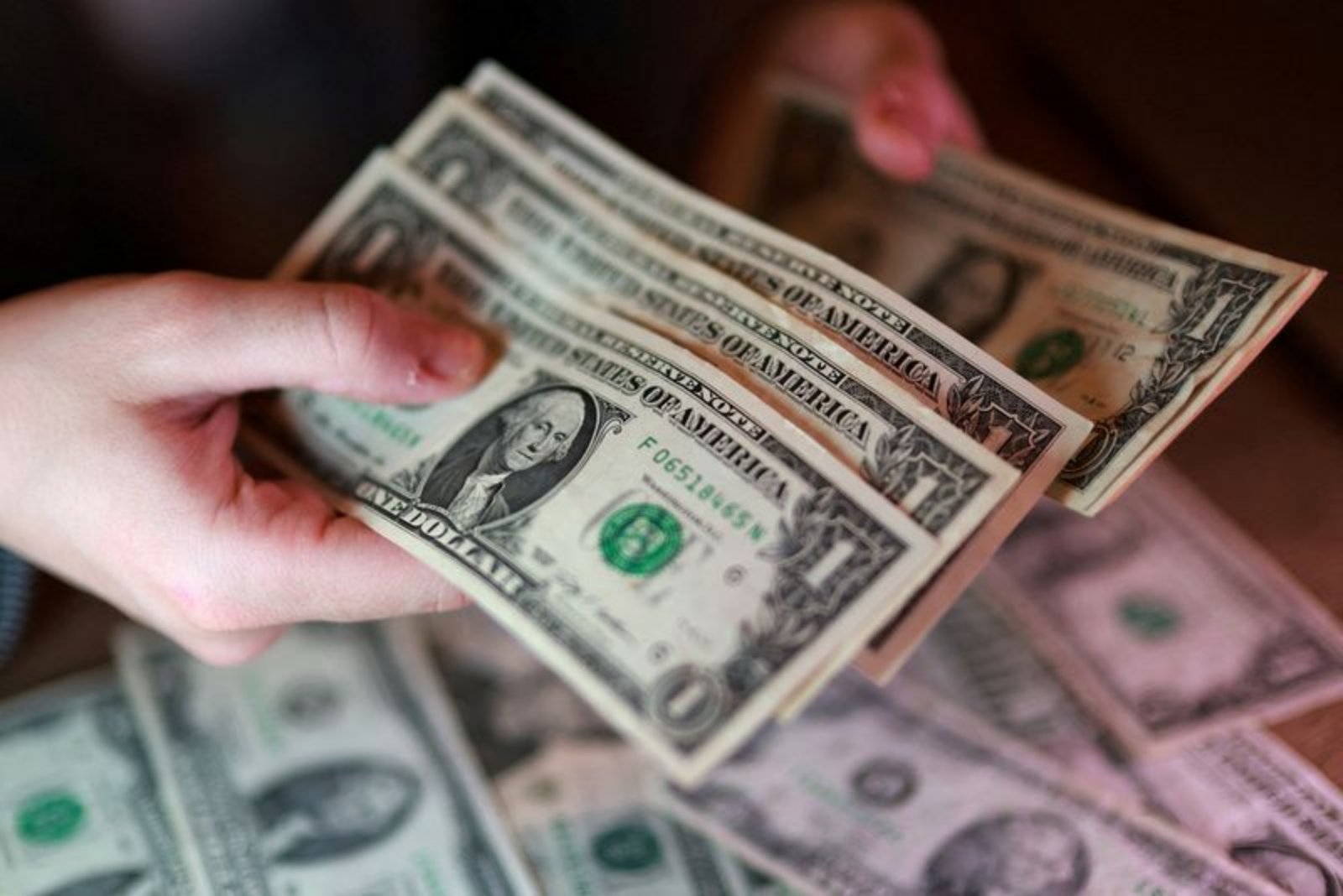
The U.S. dollar faced headwinds on Tuesday as growing optimism regarding a potential peace deal in the Middle East began to influence market sentiment. Investors are currently weighing the possibility of a resolution that could end the three-month war with Iran and lead to the reopening of the critical Strait of Hormuz. This shift in expectation has contributed to a softening of the greenback, even as fresh reports of U.S. military activity against Iranian targets create a complex environment for traders.
The search for a diplomatic exit appears to be centered in Doha, where Iran's foreign minister and its lead negotiator are engaged in discussions with the prime minister of Qatar. While the likelihood of an immediate agreement remains low, the mere hope of peace has had tangible effects on global markets. Specifically, oil prices have been pushed below the $100 per barrel threshold, which has subsequently eased downward pressure on emerging-market currencies and fostered a generally more positive risk sentiment across various asset classes.
Political statements have further complicated the market outlook. U.S. President Donald Trump characterized the ongoing negotiations with Iran as progressing "nicely," though he issued a warning that new attacks would occur if the talks fail to reach a successful conclusion. Concurrently, the U.S. Central Command confirmed it had executed fresh strikes intended to defend American troops from threats originating from Iranian forces.
In currency markets, the euro managed to maintain its recent gains, trading at $1.16365 on Tuesday. The Japanese yen was recorded at 158.95 per U.S. dollar, while the dollar stood at 99.031 against a basket of major currencies. This follows a Monday holiday in the United States which saw U.S. markets closed. Meanwhile, the Australian dollar, frequently utilized as a proxy for risk appetite, remained steady at $0.71665, staying near its one-week high after a 0.65% rise on Monday. The New Zealand dollar was seen at $0.58575, representing a 0.25% decline ahead of an upcoming policy decision from its central bank on Wednesday. According to a Reuters poll, 28 out of 29 surveyed economists anticipate no change in that policy decision.
Market analysts suggest that while the current optimism is grounded in the potential reduction of extreme risks related to oil, inflation, and global growth, caution is warranted. Charu Chanana, chief investment strategist at Saxo in Singapore, noted that even a path toward reopening the Strait of Hormuz would lower significant tail risks. However, she cautioned against mistaking positive negotiation news for a permanent de-escalation. The true indicator of stability will be whether energy flows normalize and insurance premiums for tankers can decrease. Until such practical milestones are met, the current trend may function as a "stop-start risk-on trade."
Similarly, Tony Sycamore, an analyst at IG, pointed out that because much of the positive news regarding a potential deal might already be reflected in market pricing, there is a possibility of a "buy the rumour, sell the fact" scenario unfolding.
The energy sector has seen significant movement. Brent crude futures climbed 1.5% to reach $97.76 per barrel on Tuesday, rebounding from a 7% drop recorded on Monday. This recent uptick in oil prices was driven by news of the fresh U.S. military strikes on Iranian targets. Despite these fluctuations, analysts maintain that energy prices are unlikely to return to levels seen before the war in the near term. The time required for supply chains to normalize means that inflation and interest rate concerns will likely persist.
Strategists at OCBC provided a more cautious outlook on the dollar's long-term trajectory. They suggested that even if oil prices fall sustainably below $100 in the second half of 2026, a slow unwind of energy prices is expected. This could prevent a rapid fading of the USD's terms of trade support. Furthermore, they argued there is no compelling reason to be bearish on the dollar, pointing toward resilient U.S. economic growth and inflation pressures driven by AI that have contributed to more hawkish rhetoric from the Federal Reserve.