
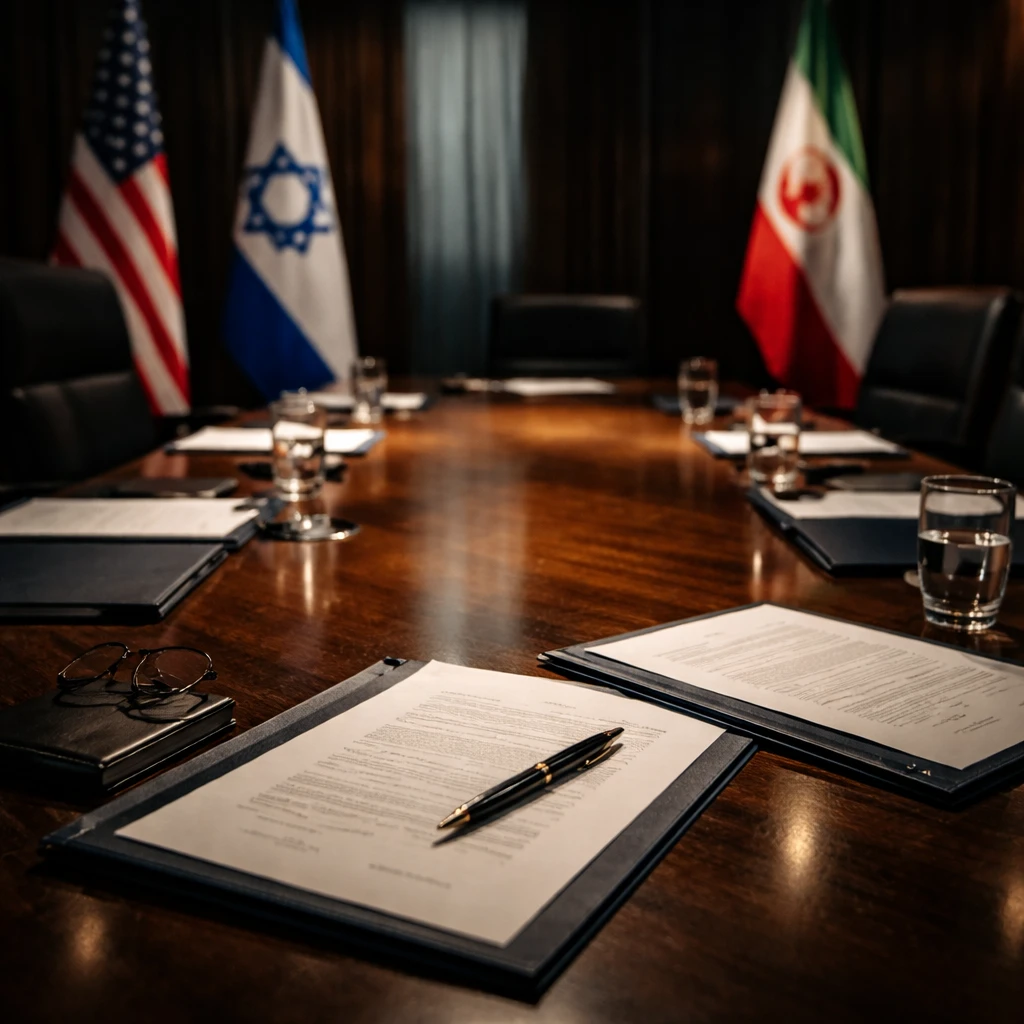
The current geopolitical climate is defined by an urgent race toward a diplomatic framework intended to avert fresh military strikes from the United States and Israel against Iran. Without a successful breakthrough in negotiations, such strikes could occur within days. Intermediaries, including Pakistan and other regional actors, are working to navigate the severe structural gaps that exist between the strategic goals of Tehran and the specific demands set by Washington.
The Diplomatic Impasse and Core Demands
The fundamental disagreement in these negotiations centers on the sequencing and integration of critical issues. The primary diplomatic friction involves deciding which matters must be included in an immediate framework and which can be postponed for later discussion. Washington has signaled that any viable resolution requires Iran to commit to a long-term suspension of its uranium enrichment activities. Furthermore, the U.S. is demanding that Iran surrender its current stockpile of fissile material that is near weapons-grade levels.
Tehran, however, maintains a different set of requirements for any potential agreement. The Iranian government is seeking a comprehensive conclusion to the ongoing war, the removal of regional maritime blockades, and immediate financial relief. Crucially, Tehran seeks these concessions without making any upfront concessions regarding its nuclear program.
Military Options and Escalation Risks
If a limited framework fails to be established, there is a significant risk that the U.S. and Israel will initiate targeted airstrikes in the coming days. These proposed military actions would primarily focus on Iran's economic infrastructure, with energy facilities being a central target intended to apply pressure on the Iranian regime. In response to such a possibility, the Islamic Revolutionary Guard Corps of Iran has issued warnings regarding broad retaliation that could extend both regionally and extra-regionally.
On Friday morning, President Donald Trump held a meeting with high-level national security officials to weigh various diplomatic and military courses of action. While no formal decision was made during the meeting, U.S. officials indicated that following a briefing on the progress of talks in Tehran, the president expressed a desire to allow more time for the diplomatic process to unfold. However, officials cautioned that military strikes remain an option if negotiations do not produce a favorable result.
International Mediation Efforts
The urgency of the situation is underscored by recent high-level movements in the region. Pakistan’s army chief, Asim Munir, and a negotiating team from Qatar have traveled to Tehran to facilitate the advancement of the proposed framework. Simultaneously, Saudi Arabia has issued a warning to Iran, stating that failing to reach an agreement at this stage could lead to a catastrophic escalation within the region.
U.S. Secretary of State Marco Rubio commented on Friday that while "slight progress" has been identified in the ongoing dialogue, Washington's position remains firm: any successful resolution must fundamentally address Iran's capacity for both the enrichment and stockpiling of uranium.
Key Economic and Market Drivers
- Energy Infrastructure Vulnerability: The potential targeting of Iranian energy facilities poses a direct risk to global energy markets and supply stability.
- Geopolitical Risk Premiums: The threat of regional retaliation by the Islamic Revolutionary Guard Corps could increase volatility across various sectors due to fears of wider conflict.
- Diplomatic Sequencing: The tension between immediate financial relief for Iran and nuclear concessions from Tehran remains a primary driver of market uncertainty.
Primary Risks and Uncertainties
- Imminent Military Action: The possibility of strikes occurring within days creates extreme short-term uncertainty for global markets, particularly in the energy and commodities sectors.
- Regional Escalation: As warned by Saudi Arabia and indicated by Iran's threats, a failure in diplomacy could trigger a broader conflict affecting regional stability.
- Negotiation Deadlock: The fundamental disagreement over whether nuclear concessions must precede financial or maritime relief presents a significant hurdle to any lasting settlement.