
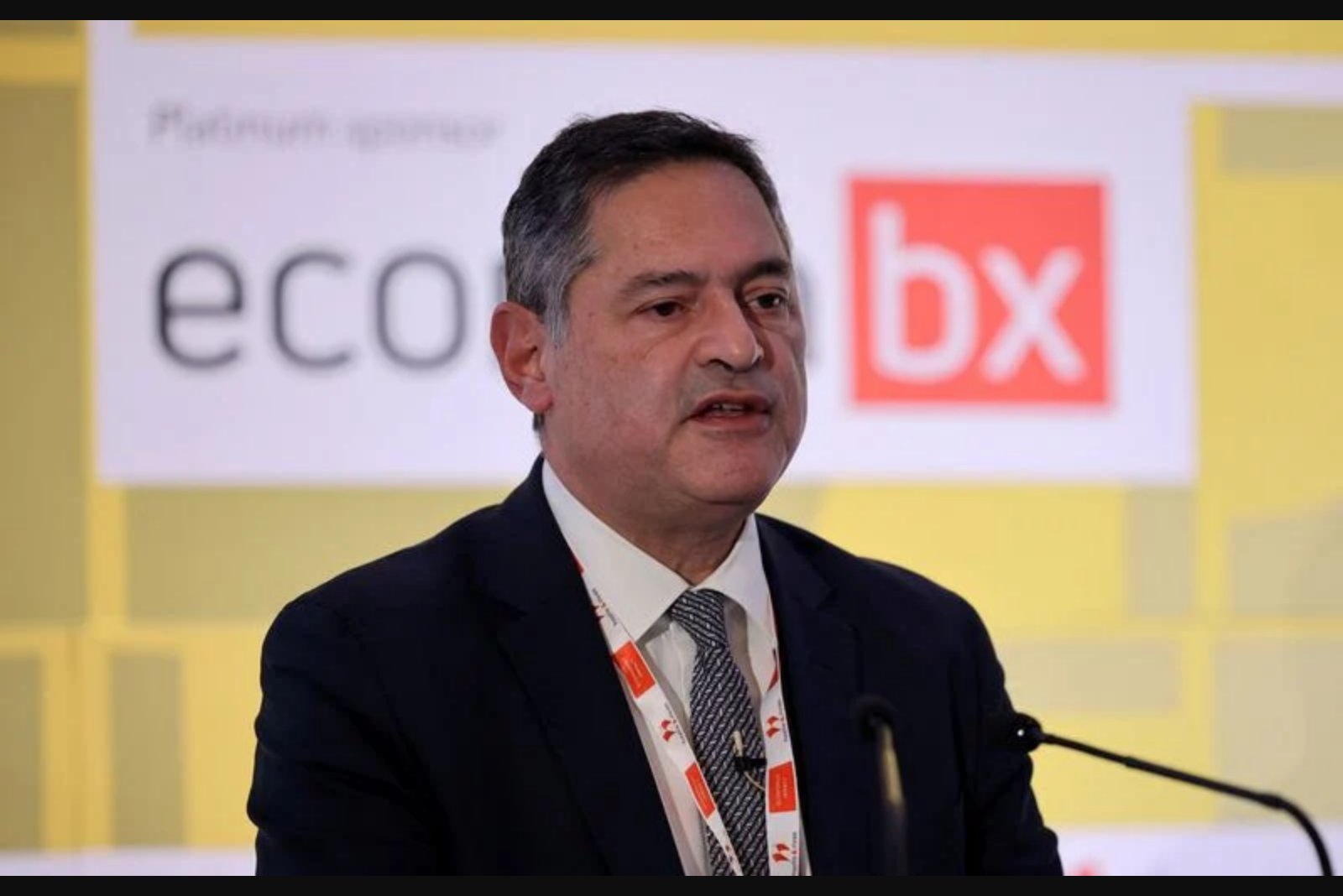
Europe should set aside entrenched political objections to borrowing jointly and move toward issuing a large-scale common safe asset, Christodoulos Patsalides said, arguing that such a step would reinforce the bloc's sovereignty and stability. Patsalides made the case in an opinion piece published while Cyprus holds the EU's rotating presidency.
Patsalides, who also sits on the European Central Bank's Governing Council, said the absence of a common benchmark instrument has left the bloc's financial architecture incomplete. That gap, he argued, contributes to higher borrowing costs and weaker competitiveness and has prompted an increasingly forceful push from the ECB for a political rethink.
"A rare alignment of economic, geopolitical, and institutional conditions has created a compelling case for the issuance of a common European safe asset," Patsalides wrote. He said that, beyond lowering financing costs, a large-scale safe asset would deliver the scale needed to support funding for shared priorities across the bloc, naming the green and digital transitions, AI programmes, defence, health preparedness and energy security as examples.
In Patsalides' view, issuing joint debt could set off a virtuous cycle. A widely accepted safe asset would offer a pricing benchmark, a reliable collateral base and a deep liquidity pool - elements Patsalides described as necessary for a well-functioning capital market. Those features, he added, would help channel Europe's substantial household savings into productive investments by supporting larger institutional pools of capital and long-duration projects.
The Cypriot central banker also argued that a common safe asset would bolster the international role of the euro. He said reserve currencies depend on scale and deep pools of liquid, safe assets, and that a European benchmark would enhance the bloc's autonomy.
Patsalides noted, however, that political resistance has been a longstanding obstacle. Some member states, notably Germany and the Netherlands, have opposed joint borrowing out of concern that their taxpayers might shoulder the debts created by fiscal mismanagement in other countries.
To address such concerns while making a common asset functional, Patsalides recommended separating issuance from spending. Under his proposal, issuance would be focused on creating the market and the safe asset itself, while separate mechanisms would channel funds toward common objectives.
His commentary reflects a broader push within European institutions to complete the bloc's financial infrastructure, a process the ECB has been increasingly urging as it presses for political alignment on common debt instruments.