
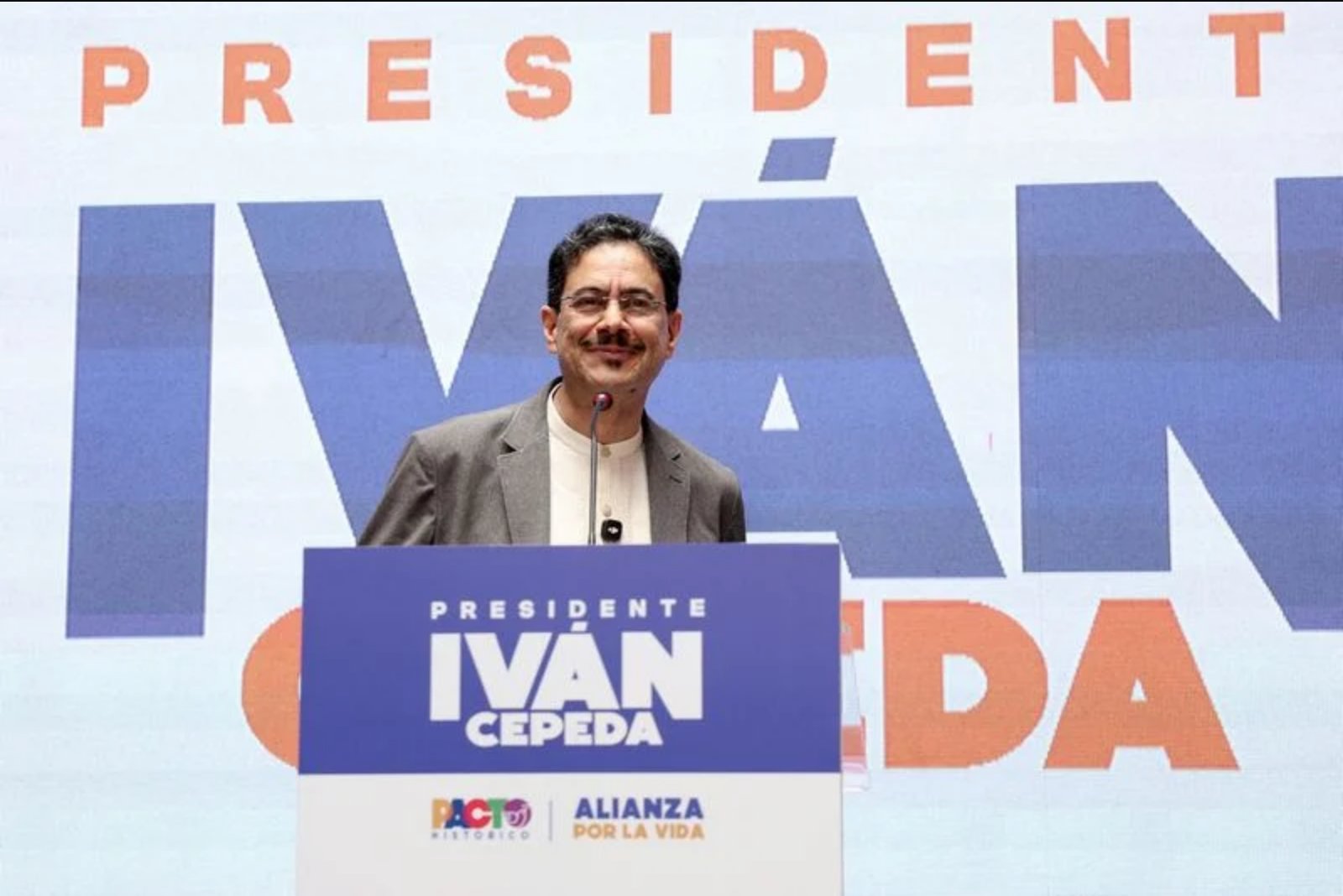
Colombian voters go to the polls on Sunday in what is expected to be the first stage of this year's presidential contest, choosing among candidates whose proposals diverge sharply on peace negotiations, public security, taxation and energy policy.
Opinion surveys put leftist Senator Ivan Cepeda, 63, in the lead, but they indicate he is unlikely to secure the majority threshold - more than 50% of votes - needed to avoid a runoff in June. Pollsters project that a second-round matchup would be more competitive for Cepeda as right-leaning and centrist voters consolidate behind a single challenger.
Cepeda, who is the son of a slain communist leader, has articulated a platform that seeks to build on reforms undertaken by the current government. His program includes renewed negotiations aimed at advancing peace with illegal armed groups - an approach that the current administration has pursued with limited results. Cepeda also proposes measures designed to reduce poverty and inequality, such as higher taxes on top earners, the transfer of 1 million hectares (2.47 million acres) to victims of the country's long-running internal conflict and broader healthcare coverage.
Challenging Cepeda in the polls is lawyer and businessman Abelardo De La Espriella, 47, who has not previously held elected office. Presenting himself as an outsider unburdened by partisan ties, De La Espriella has put forward a platform centered on a forceful security response to illegal armed groups. His proposals include the construction of 10 large-scale prisons and social measures he says would reduce poverty through improved education, healthcare and housing for the poorest Colombians.
De La Espriella has emphasized his independence from traditional parties and has said he financed his campaign with his own resources, a claim Reuters could not independently verify. He has also been a lawyer for contentious figures, including billionaire Alex Saab, and has warned that a Cepeda presidency would extend the current government's contested economic policies, including a prohibition on new oil projects.
Polling in third place is Senator Paloma Valencia, who is backed by former President Alvaro Uribe and until recently was the leading right-wing contender. Valencia's agenda shares elements with De La Espriella's: a hard stance on corruption, drug trafficking and illegal armed groups. She favors tax incentives for companies to encourage job creation and proposes social programs targeting healthcare, education and housing, financed through renewed exploration of oil and gas reserves.
Election logistics reflect the scale of the exercise: more than 40 million Colombians are registered to vote. Polling stations will open for an eight-hour window beginning at 8 a.m. local time (1300 GMT). Authorities expect to have definitive results by about 8 p.m. local time.
Electoral dynamics and market touchpoints
The three frontrunners present distinct policy mixes that intersect with several economic sectors. Cepeda's proposals on taxation, land transfers and expanded healthcare could have implications for fiscal policy and public spending priorities. De La Espriella's emphasis on security infrastructure, including large prison construction, highlights potential demand in construction and public safety sectors, while his criticism of restrictions on oil projects signals a contest over energy policy. Valencia's backing for renewed oil and gas exploration ties her social program financing directly to the energy sector and to policies favoring corporate tax breaks to spur employment.
Given the polls, a runoff appears likely, meaning markets, industry groups and infrastructure planners will be watching the second-round match-up closely as platforms are refined and coalition dynamics shift.